
Furnace Installation in Akutan, AK
Tell us about the house, and a licensed contractor who covers Aleutians East Borough will get in touch.
Tell us about the job
It takes about a minute.
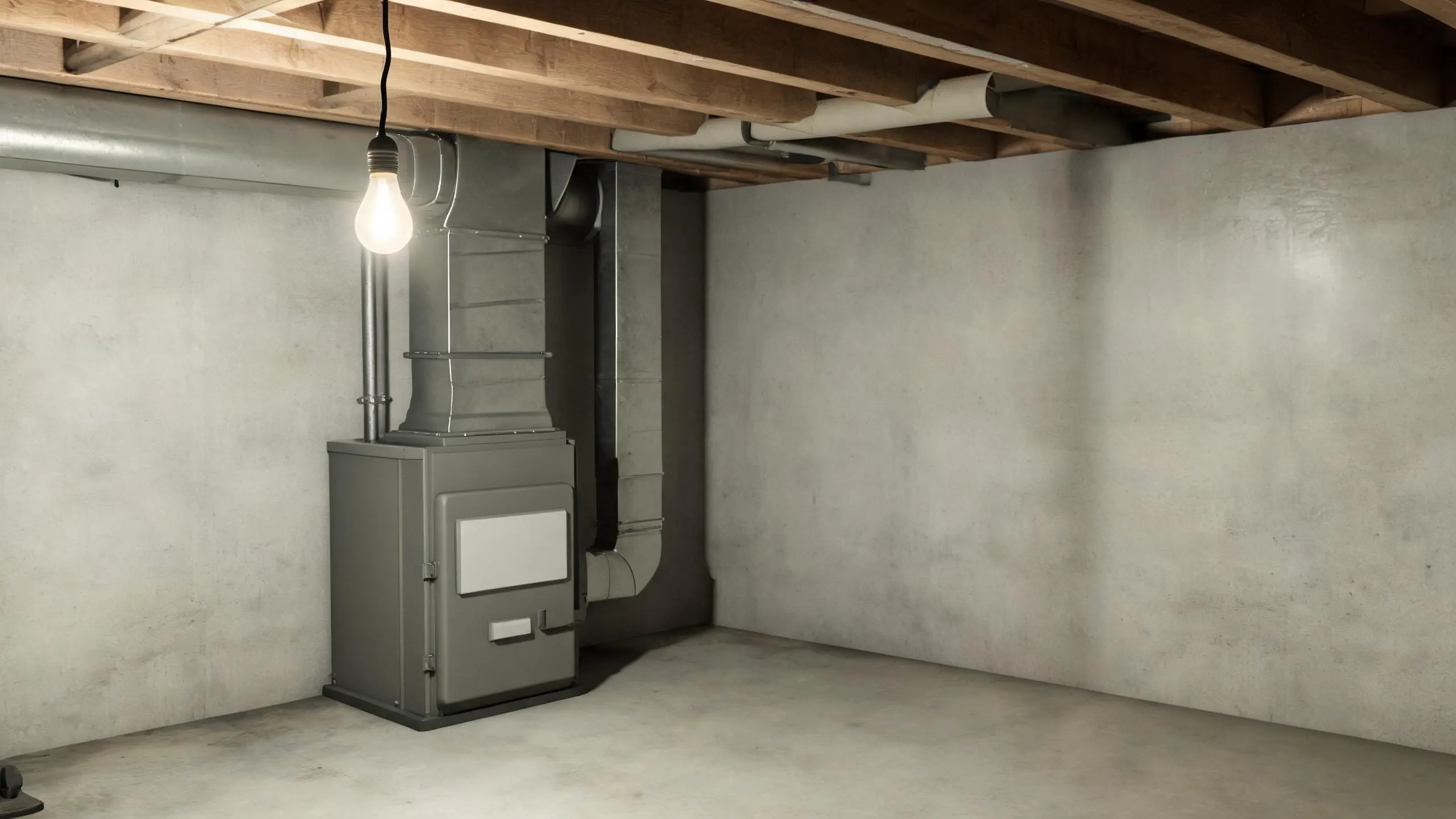
A furnace that runs all year
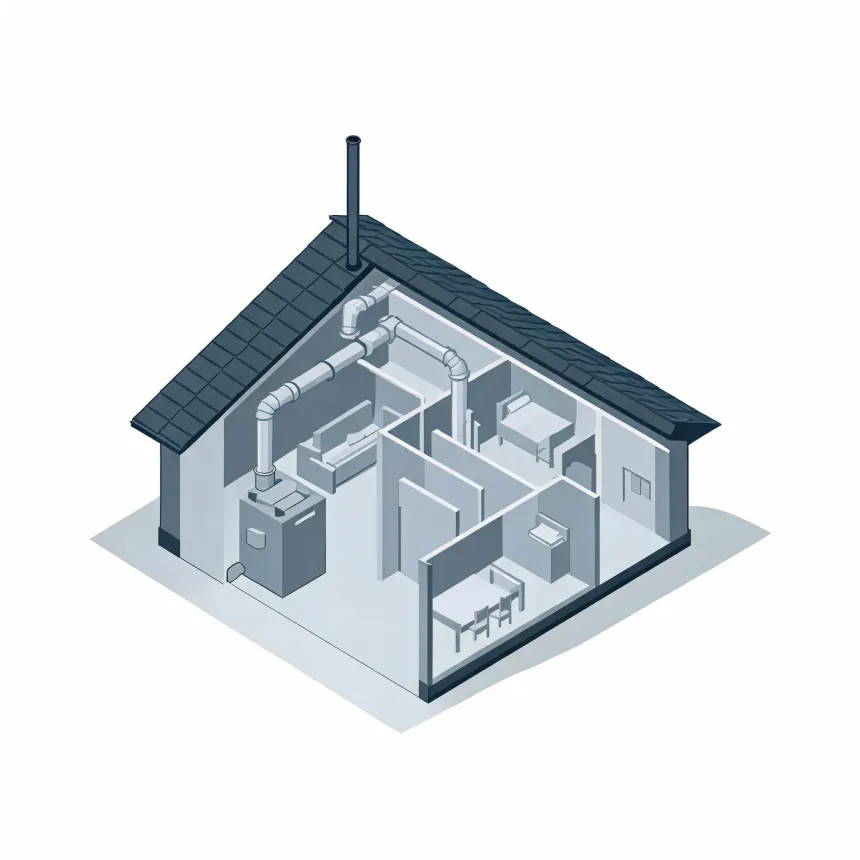
In Akutan, there is no season when the furnace shuts off. It runs 12 months a year, working hardest on winter nights that average 25°F. Almost every home here, 94.1 percent, heats with fuel oil, so the furnace installed needs to be built for that fuel and for steady, year-round use, not the on-and-off pattern of a place with a short winter.
Power is the other thing to plan for. Across Alaska, 21 percent of households lost power for at least 24 hours in 2024, and a furnace needs electricity to run even when the fuel tank is full. If a new furnace goes in, it is worth asking how it holds up when the power goes out, since here that is not a rare event.
- 25°F
- the average winter night it heats against
- 80% AFUE
- the federal minimum any new unit must meet
NOAA 1991–2020 monthly normals
Alaska requires contractors to register with the state.
That registration puts the business on file with the state. Nobody tested the contractor's work and no license backs the job up. It just means the state has a record that the business exists.
With no trade exam behind the registration, the permit is what actually gets checked here. Furnace installs need a permit from the local building office in most cities and counties, and an inspector looks at the work once it's done, including the gas line and venting. That inspection is the real backstop on this job, not the state registration.
Source: Alaska Department of Commerce, Community, and Economic Development
- What size furnace does my house need?
- A contractor needs to run a heat loss calculation on your house to answer that, not guess from square footage. That calculation looks at your walls, windows, insulation, and ceiling height, then factors in that Akutan sees winter lows around 25°F and homes here need heat all year, not just a few months. A furnace that's too big will cycle on and off and never run long enough to heat evenly. Too small, and it will run constantly and still fall behind on the coldest nights.
- How do I know it's time to replace my furnace?
- If your furnace needs repair more than once a season, or the repairs are adding up, replacement usually makes more sense than continuing to patch it. Watch for uneven heat between rooms, a furnace that runs longer than it used to, or a burner flame that looks yellow instead of blue. Since most homes here run on fuel oil and need heat every month of the year, a furnace that's struggling has no off season to hide it. Age matters too. A furnace nearing the end of its expected life is more likely to fail on the night you need it most.
- Is a high-efficiency furnace worth it?
- It depends on how much you heat and what you're replacing. Since homes in Akutan need heat 12 months a year, a furnace here runs far more hours than one in a place with a short winter, so efficiency gains show up more over time. Any non-weatherized gas furnace built since November 2015 already has to hit at least 80 percent AFUE, so the real question is whether a higher-efficiency model makes sense for your specific fuel type and house. A contractor can walk through the options and price them for your situation.