
Furnace Repair in Galena, AK
If your furnace quits, tell us what it's doing and a licensed contractor who covers Yukon-Koyukuk Census Area will get in touch.
Tell us about the job
It takes about a minute.
Your furnace runs every month of the year here
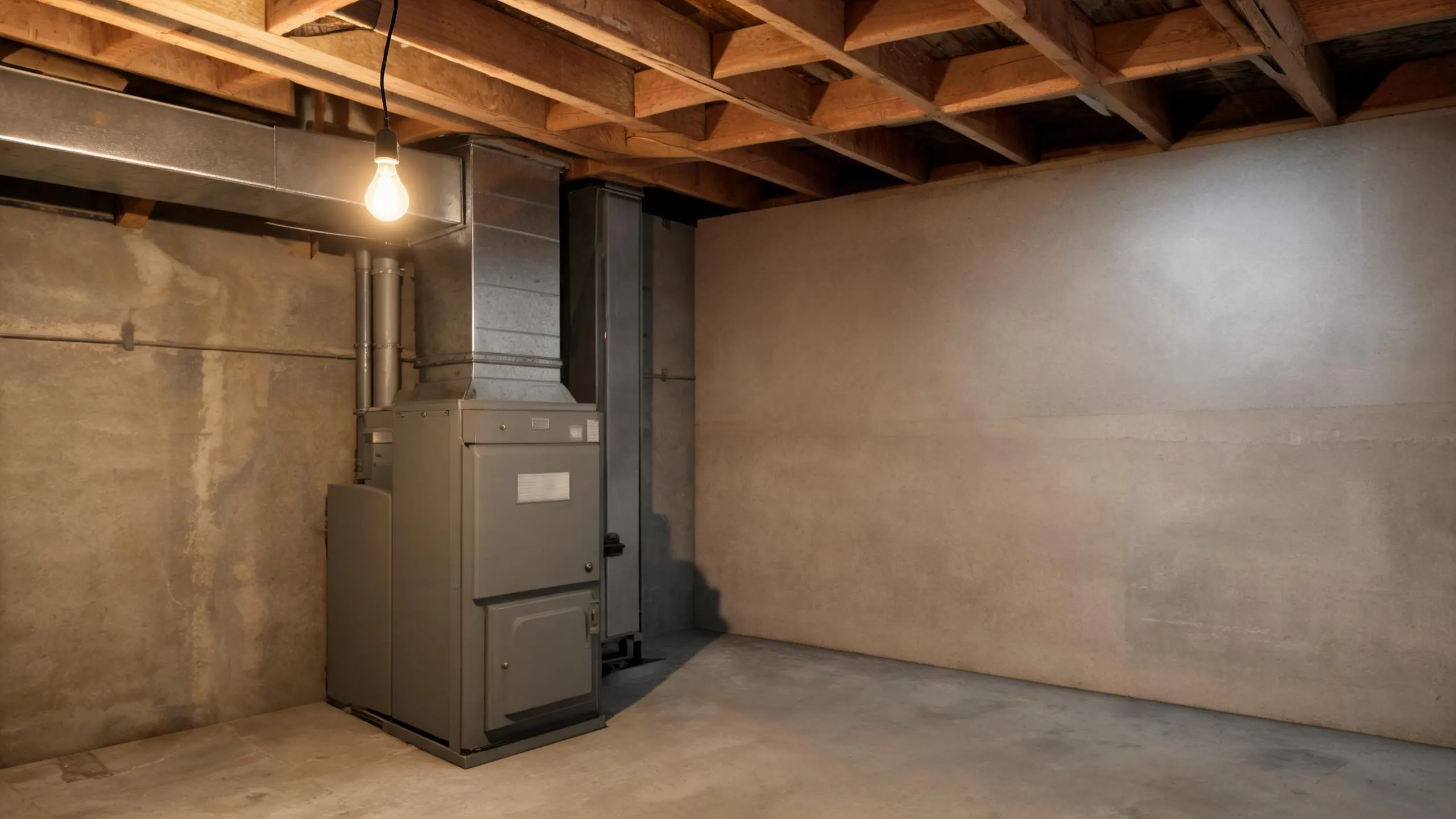
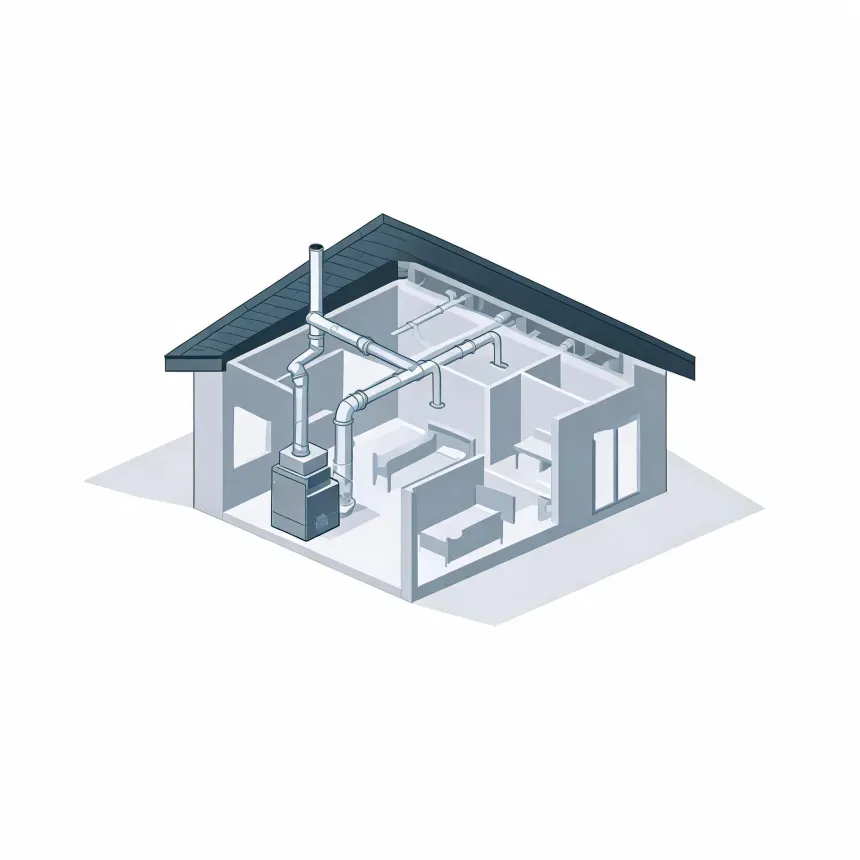
In Galena, winter nights average 14 below zero from December through February. A furnace that has to hold a house against that kind of cold runs long and runs often, and it never really gets the summer off to rest. More than half the homes here heat with fuel oil, and that system depends on a steady supply of power to run the burner motor and controls.
That is the part that worries most when the weather turns bad. Alaska saw 21% of households lose power for 24 hours or more in 2024, and this area has logged 15 winter storms and 5 damaging wind events over the past ten years. When the power drops, an oil furnace stops with it, and a house built to fight off 14 below zero starts losing that fight fast.
- -14°F
- the average winter night it heats against
- 15 winter storms
- in ten years, the nights a failure hurts most
NOAA 1991–2020 monthly normals
Alaska requires contractors to register with the state.
That registration puts the business on file with the state. It does not mean anyone tested the person coming to your house on furnace repair, and there is no license number tied to a trade exam behind it.
For gas furnace work, the part that matters most is the gas connection itself, since a bad one is what makes the job dangerous. Alaska's registration rule does not cover that. There is no state trade exam standing behind the work, so the registration on file is the only state record that exists here.
Source: Alaska Department of Commerce, Community, and Economic Development
- Why won't my furnace turn on?
- Most often it's the thermostat, the power supply, or the ignition system. Check that the thermostat is set to heat and above room temperature, and check the breaker for the furnace. If those are fine, the igniter or flame sensor may have failed, and that needs a contractor to test and replace. With winter lows around here running near -14°F, it's worth having this looked at the same day rather than waiting.
- Why is my furnace blowing cold air?
- A furnace blows cold air when it's running the blower but the burners aren't firing, or when it's just starting a cycle and hasn't warmed up yet. If the air stays cold for more than a few minutes, the igniter, flame sensor, or gas valve may be the problem. A dirty filter can also block airflow enough to trip a safety switch and shut the burners off while the fan keeps running. A contractor can check which of these it is.
- Why won't my furnace pilot light stay lit?
- This usually means the thermocouple has worn out and can no longer hold the gas valve open once you let go of it. A draft blowing across the pilot or a dirty pilot opening can also put it out. If it keeps going out after you relight it a few times, stop trying and have a contractor look at it. Pilot problems are worth taking seriously here, since winter nights average -14°F from December through February and heat can't wait long once it's out.