
HVAC Installation in Sitka city and, AK
Tell us about the house, and a licensed contractor who covers Sitka City and Borough will get in touch.
Tell us about the job
It takes about a minute.
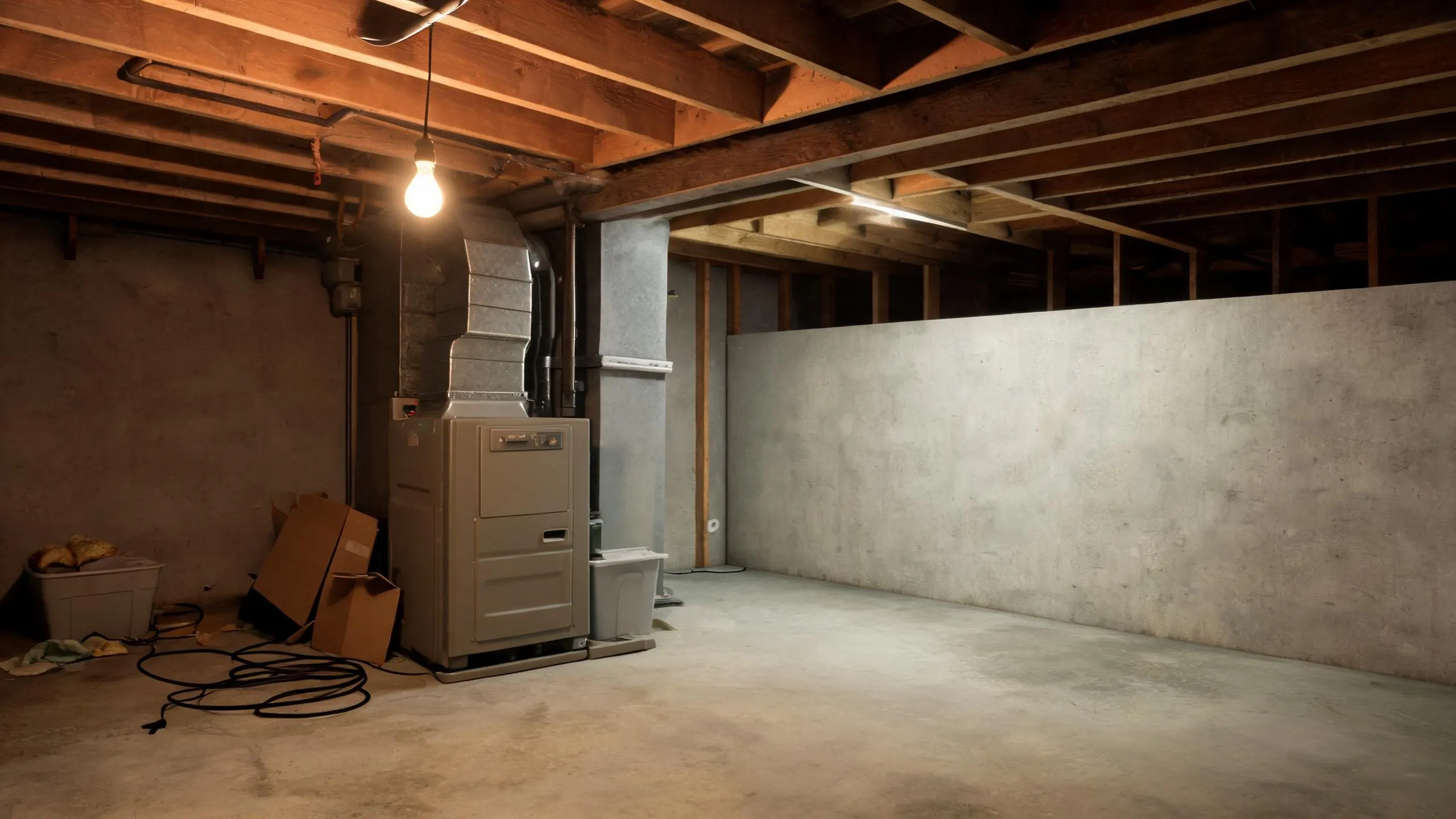
Sitka asks for heat all year, not cooling
Winter nights here average 31°F from December through February. Summer afternoons average just 60°F, so a new system runs on heat 12 months a year. There is no real cooling season to size for.
A furnace or heat pump here works steadily, not in short bursts like homes in warmer places see. Power is worth planning around too. Statewide, 21% of Alaska households lost power for 24 hours or more in 2024, and Sitka has logged 2 winter storms and 5 damaging wind events over the past ten years. Whatever gets installed should come back on by itself once the power does.
- 31°F
- the average winter night it heats against
- 60°F
- the average summer afternoon it cools against
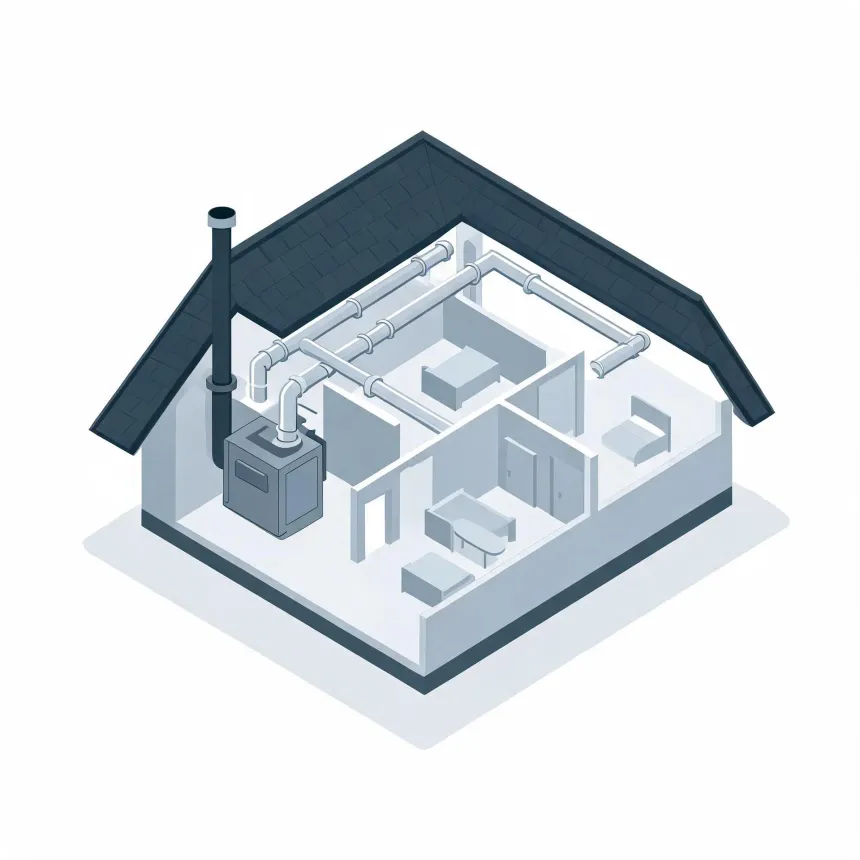
Alaska requires contractors to register with the state.
Alaska's registration puts the business on file with the state. Nobody tested the contractor's trade knowledge to get that record, and nothing about it checks how the work is done. It just means the state knows the business exists.
For a heating and cooling install, the protection here comes from the local building office. In most cities and counties, replacing a furnace, air conditioner or heat pump needs a permit, and the finished work gets an inspection once it's done. That permit and inspection are separate from the state registration, and in most places they're what stands between this job and a bad install.
Source: Alaska Department of Commerce, Community, and Economic Development
- When should I replace my HVAC system?
- Look at how the system is running now, not just how old it is. If your furnace is struggling to keep up, cycling on and off more than it used to, or a contractor has told you the heat exchanger or blower motor is failing, that is a sign to replace rather than repair. In Sitka, the furnace runs all year, so it carries more hours on it than a system that gets a break in mild months. That makes a slow decline easier to notice, since you are living with it every day. A contractor can look at the specific unit and tell you whether it is worth another repair or not.
- Should I replace my furnace and air conditioner at the same time?
- Homes here do not need cooling, so this decision does not really apply the way it would somewhere with hot summers. Summer afternoons in Sitka average 60°F, which is comfortable without air conditioning. If your home already has central air for some other reason, a contractor can tell you whether it still makes sense to keep it when the furnace is replaced. Otherwise, the furnace is the system worth focusing your attention and budget on, since it is what your home depends on all year.
- What happens during an HVAC installation?
- A contractor removes the old equipment first, then checks the ducts, venting, and electrical or gas connections to make sure they will work with the new unit. The new furnace or system gets set in place, connected, and sealed. Once it is hooked up, the contractor tests it, checking that it ignites properly, heats correctly, and shuts off the way it should. In a place like Sitka where the furnace runs 12 months a year, the contractor should also confirm the venting is clear and the system is set up to handle that kind of continuous use before they leave.