
HVAC Repair in Delta Junction, AK
If your system quits, tell us what it's doing and a licensed contractor who covers Southeast Fairbanks Census Area will get in touch.
Tell us about the job
It takes about a minute.
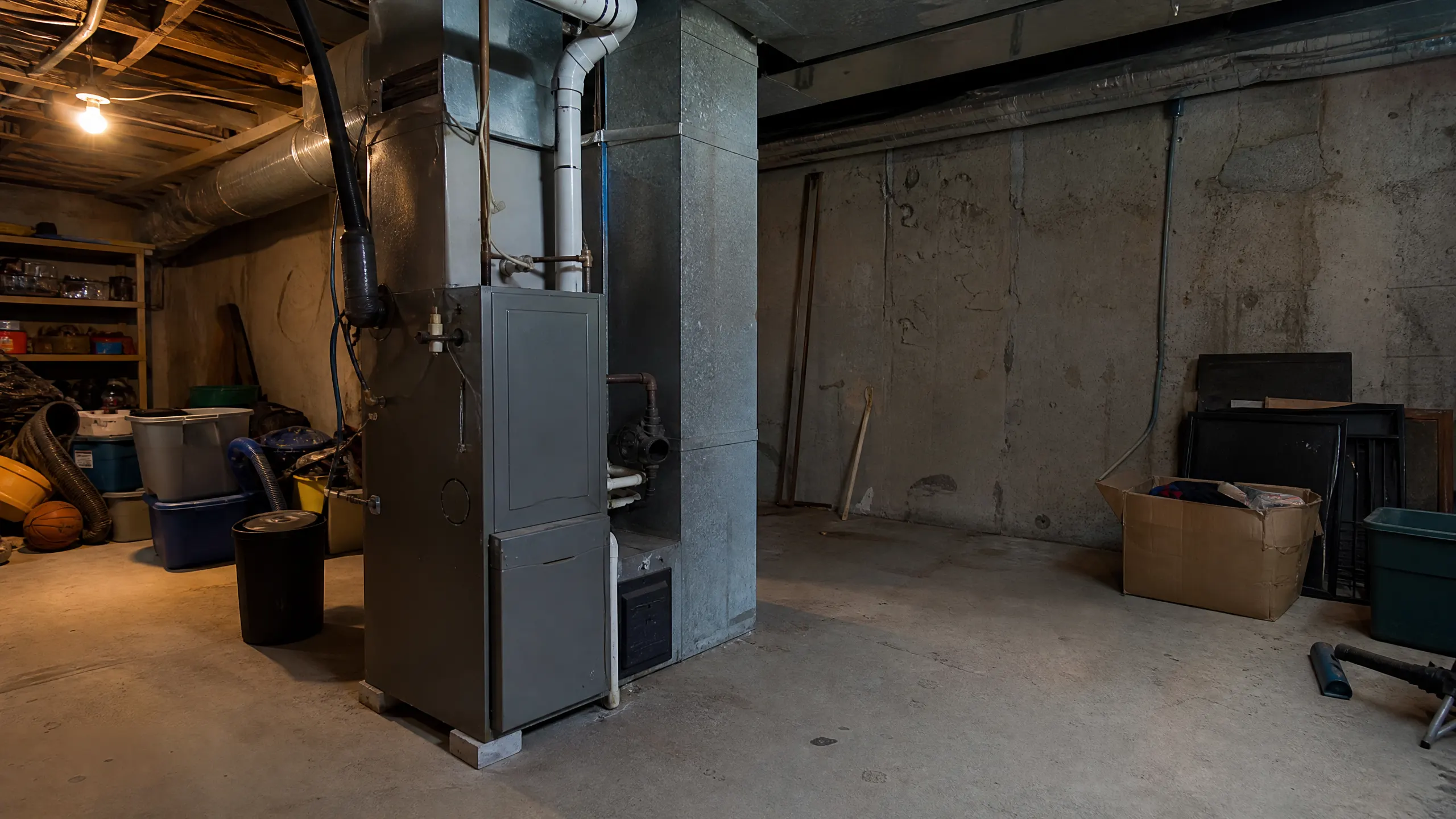
Your furnace never gets a break here
Your furnace runs every month of the year in Delta Junction. There is no season where it sits idle. On winter nights that average -10°F, it holds a long, hard burn for hours at a time, and the parts that start it and keep it running are working the whole time you sleep.
56.3% of homes here heat with fuel oil, which means the oil burner, the igniter, and the fuel pump take that daily strain, not just a gas valve. And when the power goes out, the furnace stops no matter what it burns. In Alaska, 21% of households went at least 24 hours without power in 2024, and this area has logged 12 damaging wind events over the past ten years. A furnace that will not restart once the lights come back on is not a small problem at -10°F.
- -10°F
- the average winter night it heats against
- 69°F
- the average summer afternoon it cools against
Alaska requires contractors to register with the state.
That registration puts the business on file with the state. Nobody tested the contractor's knowledge of heating and cooling work to get it, and Alaska keeps no license behind it. It tells you the business is registered to operate in the state, nothing about whether they know a furnace or a heat pump.
For a repair like this, that record is what exists. Alaska has no trade exam standing behind the person coming to your house, so the registration is not proof they know the work. If the repair touches gas lines, a bad connection is the dangerous part of the job, and nothing in this state's rule says who checks that connection once the work is done.
Source: Alaska Department of Commerce, Community, and Economic Development
- Why is my heat not working?
- Start with the thermostat. Make sure it is set to heat and the temperature is set above room temperature, since a setting bumped even a few degrees can shut a furnace down. Check your breaker panel too, since a tripped breaker will stop the furnace even if the pilot light or igniter is fine. If those are fine and fuel oil is what heats your house, check the tank level, since an empty tank will stop the burner cold. With winter nights here averaging 10 below zero, a furnace that will not start is not something to leave for later.
- Why is my system running but not cooling the house?
- If the blower runs but the air is not cold, check the filter first. A clogged filter blocks airflow across the coil and the system struggles to pull heat out of the air. Also check that nothing is blocking the vents inside and that the outdoor unit is not buried in snow or debris. Summer afternoons here average 69 degrees, so most homes get by without cooling at all, and a system that seems to underperform may just be a furnace fan running without a real air conditioning component behind it.
- What can I check before calling for HVAC repair?
- Check the thermostat settings and batteries first, since a dead battery or a setting knocked off heat will look like a bigger problem than it is. Check your breaker panel for a tripped breaker. Check the filter and swap it if it is dark or clogged, since restricted airflow causes a lot of the calls that turn out to be simple fixes. If you heat with fuel oil, check the tank level. With power outages not uncommon here, also check whether the unit lost power and simply needs to be reset once power is back.