
Why your heat pump is loud in Alaska summers
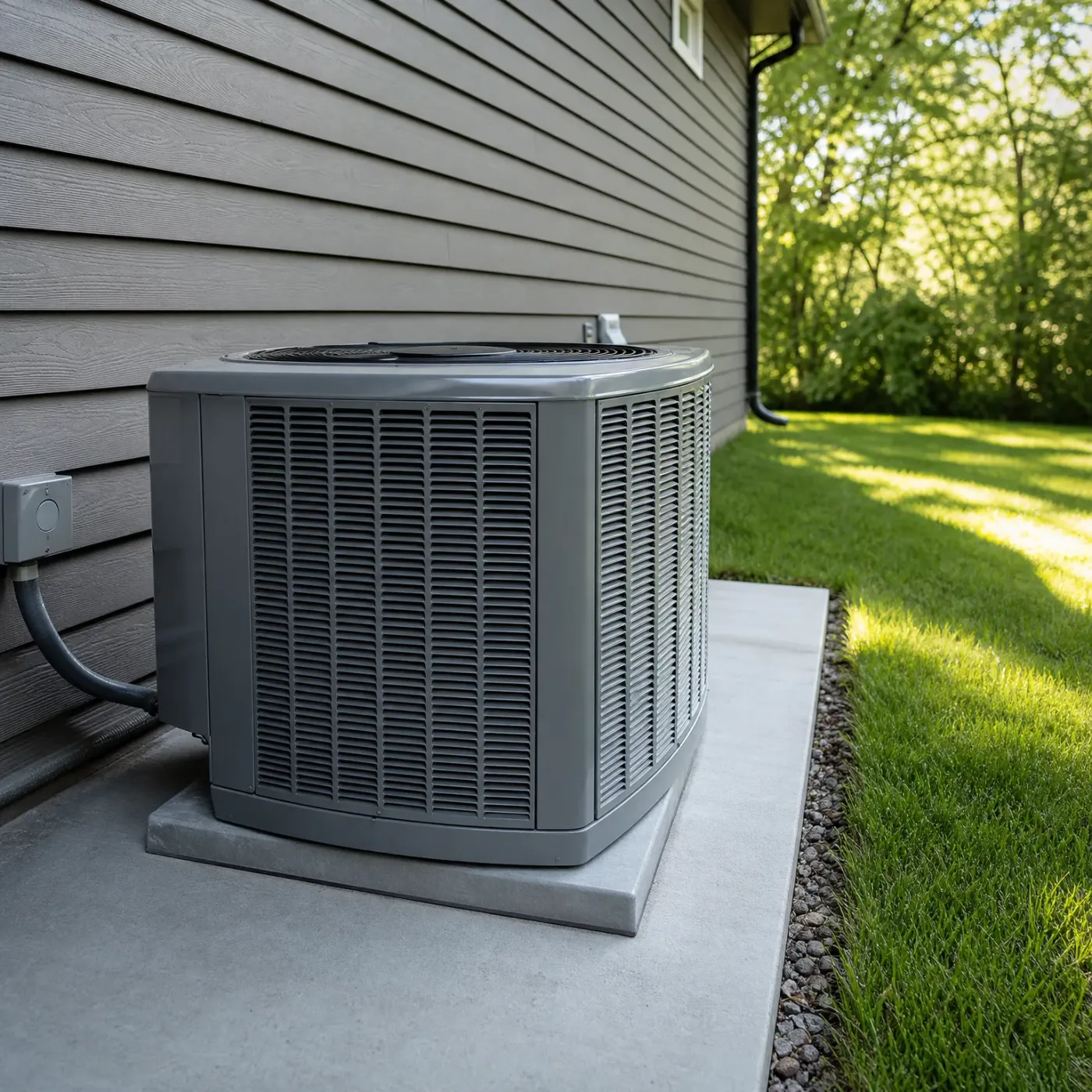
A loud heat pump in summer usually means it's working harder than it should. Alaska summers run hot and dry, so the outdoor unit runs long stretches to keep up, and a fan blade out of balance or a compressor losing its cushion will get louder the longer it runs. Grinding or rattling points to a motor bearing or loose panel. A high-pitched squeal often means the fan motor itself is wearing out. Buzzing can mean a failing contactor or a part vibrating against the cabinet. None of this is something to wait out. A unit straining through a long run of hot days is also pulling more power to do it, and with electricity priced the way it is here, that adds up fast. The noise is the system telling you something is already wrong, not something about to go wrong.




Why does my heat pump get louder the longer it runs in summer?
You notice it climbs, quiet when it kicks on, then grinding or rattling louder the longer the afternoon runs. With Alaska summers hot and dry, your heat pump may run for hours straight trying to keep the house cool, and you want to know if that climbing noise means something is wearing out or if it's just the unit working through a long run.
It's wear showing up as the unit heats up
A heat pump that starts quiet and gets louder as it runs is usually telling you a part is wearing, not that it's just working hard. The compressor has a cushion of oil and refrigerant that keeps it quiet when it starts. As a long run stretches on, that cushion thins out, and a compressor on its way out gets louder the longer it's under load. A fan blade that's slightly out of balance does the same thing. It's fine for the first few minutes, then the wobble builds as the motor stays at speed, and what started as a faint tick turns into a rattle by the time the unit has been running an hour. Either way, the noise is loudest right when you need the system working, which is why it stands out so much in a long Alaska summer afternoon.

Summer air here sits at a dew point of 47°F on average through June, July and August, according to NOAA climate records. That's dry air, so your heat pump isn't fighting moisture the way units do in humid states. It's fighting heat load instead, running long cycles to push warm air out hour after hour. That steady grind is what wears a fan blade loose or lets a compressor mount wear down, and why the noise builds as the afternoon goes on rather than staying steady. A contractor who works heat pumps in Alaska all summer has heard this exact pattern before and knows which part is making that climbing noise before taking the cover off.
NASA POWER T2MDEW county cells weighted by homes
Hand off the heat pump problem
A noise that gets worse over a long run isn't going to fix itself, and running it less isn't really an option when it's the only thing keeping the house cool through a dry Alaska afternoon. Most homes around here heat with gas, so this heat pump is likely doing one job, cooling, and it's doing it for hours at a stretch. With power costs what they are in Alaska, a unit straining to cool is also a unit running up your bill while it struggles. Whatever's loose, worn, or losing its charge, it's not going to quiet down on its own, and waiting usually means the same repair costs more once something else gives out with it. Someone local who works on heat pumps through these dry, hot summers has likely heard this exact noise before and knows what tends to cause it in units running this hard. Send the details once, and let the search for who's right for the job stop being yours to carry.
What the Noise Is Telling You
- A heat pump that gets louder the longer it runs is telling you it's straining against a long, hot, dry afternoon, not failing out of nowhere.
- The fix is almost always one worn part, a fan blade, a bearing, or a compressor mount, not the whole unit.
- Running it less isn't a real option when it's the only thing cooling the house, so the strain just keeps building until someone looks at it.
- A local contractor who services heat pumps all summer has likely already seen this same noise on another system nearby.
- Your request goes to one licensed Alaska contractor, so you're dealing with a single call back instead of several competing bids.
- Once that contractor has the model and the noise, they know what tends to wear first on a unit running long hours in dry heat.
A heat pump that gets louder as the afternoon wears on is doing exactly what strained equipment does. Alaska's dry summer heat keeps the outdoor unit running long stretches with no real break, and whatever part is already worn, a fan blade, a bearing, a compressor mount, makes itself known the longer that run goes. That's the whole story. It isn't a sign the system is failing outright, and it isn't something that gets better if you leave it alone. Turning the system off to quiet it down isn't a choice most households here have, since it's likely the only thing keeping the house livable through the hottest part of the day. So the noise stays, and whatever's loose or worn keeps wearing.
What you're dealing with is a mechanical problem with a specific cause, and that's the kind of thing a contractor who works on these units all summer sees on a regular basis. Someone local, who's already been inside other heat pumps running the same long hours in the same dry heat, has a head start on knowing what tends to go first. Once you send in your situation, it goes to one contractor, licensed to work in Alaska, not a handful of companies competing for the job. That means one call back, from someone who already knows the model and the noise before they show up, instead of sorting through several strangers bidding on the same repair.
Send one request and you're done looking
Your request stays with one local pro.
It costs nothing to send, and you don't have to hire anyone.