 Let a pro reach out
Does a heat pump handle humidity in Alaska
Send the form and the search for an installer is over.
Summers here don't bring the kind of damp heat that makes a heat pump's dehumidifying side work hard. Alaska's summers run hot and dry, so most of what you're asking your heat pump to do is cool the air, not wring the water out of it. That's a different job than the one heat pumps get asked to do in muggy parts of the country, and it changes what "handling it well" even means for your system.
Most homes around here heat with gas, which means the heat pump is likely doing one job, cooling, rather than carrying the house through a Fairbanks or Anchorage winter on its own. That matters for how it's sized and installed. A unit set up to cool a dry summer house is not the same project as one meant to replace a furnace.
Power here costs more than almost anywhere else in the country. A heat pump that's installed right, sized for your house and the dry heat it actually faces, runs less than one that's oversized or mismatched to the job. Get the installation wrong and you're paying Alaska power rates to run a system working harder than it needs to.
Getting that installation right takes someone who knows how a heat pump behaves in dry heat, not swampy heat, and who can size it for a house that may lean on gas for winter. Finding that person usually means searching around, calling a few contractors, explaining your situation more than once, and sitting with quotes trying to figure out who actually knows the difference.
Send the form below and that part isn't yours to do anymore. A contractor who works with Alaska's climate and setup takes it from there.
A heat pump handles humidity fine here, mostly because there isn't much to handle. Alaska summers run hot and dry, so the moisture load that makes a heat pump's dehumidifying side struggle in muggy climates just isn't part of the job. The unit still pulls double duty as your cooling and your heat, switching directions depending on the month. Where it has to prove itself is winter, not summer. Most homes here heat with gas, and a heat pump has to pull heat out of cold outside air to compete with that. It can, down to a point, but how well depends on the model and the setup matching your house. Since power here is expensive, that match matters more than it would somewhere with cheaper electricity. Installed right for the cold and the dry air both, it will handle what Alaska actually asks of it.




Cooling mode works the same way everywhere. Warm air moves across a cold indoor coil, and whatever moisture is riding in that air condenses on the metal and drains off. That part isn't special to Alaska. What's different is how much moisture is in the air to begin with. Dry air just doesn't give the coil much to condense, so you'll notice less water in the drain line, not because the system is doing less work, but because there's less to pull out. The thermostat doesn't know or care about any of this. It calls for cooling when the temperature says so, and the heat pump runs its normal cycle regardless of humidity. A unit sized right for your home cycles on and off the way it's supposed to, since dry heat doesn't ask for a different refrigerant charge or more airflow. If a muggy stretch does roll through, the same coil picks up the extra moisture without needing a different setting. None of this touches the gas furnace that likely heats your home in winter. That's a separate system doing a separate job.
How the coil handles moisture
- A heat pump cools by pulling warm air across a cold indoor coil, and moisture in that air condenses on the coil and drains away as a side effect.
- In dry air there's less moisture to begin with, so the coil pulls less water out even while it runs the same cooling cycle.
- The thermostat calls for cooling based on temperature alone, so the system doesn't slow down or adjust its cycle just because the air is dry.
- A properly sized unit will still cycle on and off normally, since dry heat doesn't change the refrigerant charge or airflow it needs to work.
- If the air ever turns humid for a stretch, the same coil keeps condensing moisture without any extra part or setting involved.
- Gas furnaces that heat most homes here have nothing to do with how the heat pump manages moisture in cooling mode.


Finding a pro stops being your job
A new heat pump in Alaska has gas heat to size against too, since that's how most homes here get through winter, and power costs enough that getting the sizing and the setup wrong is a real cost every month after. Getting that right from the start is an install question, not a humidity question. Finding someone for that normally means pulling up a list of installers, calling around to see who even works on heat pumps instead of just furnaces, explaining your setup to each one, then sitting with a stack of quotes trying to tell a fair price from a padded one. Send the request and that work is done. One contractor gets it, matched to the job, and you go back to whatever you were doing instead of running down leads.
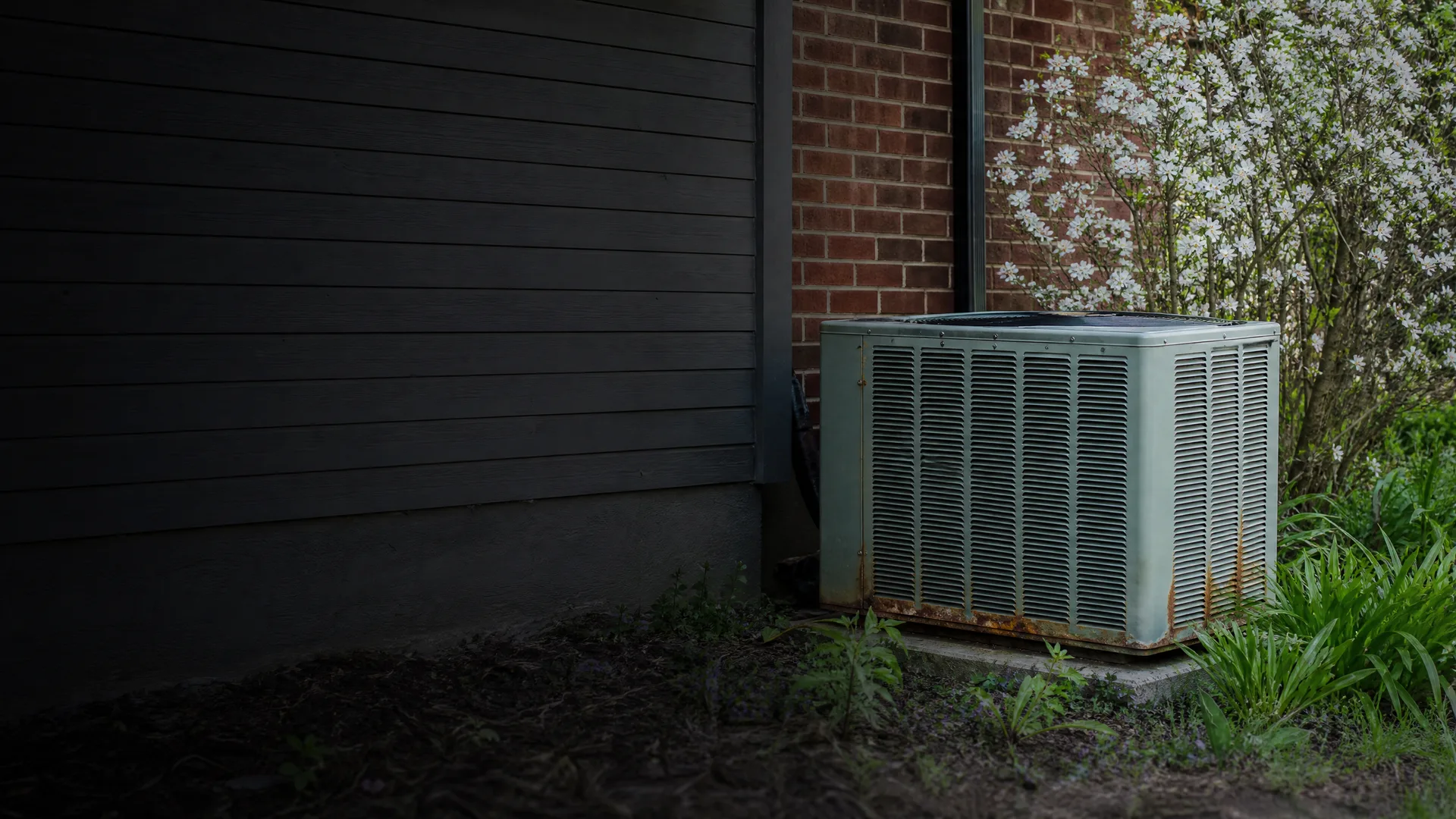
You're out in the side yard in spring, coiled hose still looped on its hook from last fall, and you crouch down to check the outdoor unit before the warm months hit. Rust has crept along the base, a thin orange line where the metal meets the pad. It isn't new, you've seen it before, but this year it's spread past the seam. You run a thumb along it and it flakes off dry. The unit kicks on anyway when you flip the thermostat inside, the fan spinning fine, but you stand there a second longer than you need to, looking at that rust line, doing the math on how many more Alaska winters this one has in it.
Heat Pump or Keep Gas and Add AC
Heat Pump
- Dry summer air means the coil condenses less water, so you won't notice much dehumidifying either way.
- One system handles both summer cooling and winter heat, so there's only one piece of equipment to size and maintain.
- Power here runs expensive, and a heat pump has to work against that rate for every hour it cools or heats.
- Sizing has to account for winter performance too, since that's the harder half of the year for a heat pump to earn its keep.
- A heat pump run alongside gas heat means switching between two systems depending on the season, which adds a decision most homeowners here don't currently make.
Gas Heat Plus AC
- Gas heat is what most homes here already use, so the winter side of the equation stays the same.
- A standalone AC unit only has to be sized and run for the dry, hot stretch of summer, not for winter load too.
- Two separate systems means two things that can need service, rather than one unit doing both jobs year-round.
- Gas furnaces don't draw on the expensive power rate the way a heat pump's compressor does through a full winter.
- Keeping gas heat means no change to how the house already runs every winter, just an AC added for summer.

A dew point of 47°F is what weather records show across Alaska summers, averaged over June, July and August. That's dry air, the kind where sweat evaporates off your skin instead of sitting there. Your heat pump's coil still pulls some moisture out as it cools, but there's little of it to pull, so you won't see much water in the drain line or hear the system cycling longer to chase it. What you'll notice instead is a house that cools fast and feels done once the thermostat's satisfied, no clammy air lingering after.
NASA POWER T2MDEW county cells weighted by homes
Why doesn't the air in your house feel sticky?
Walk into the house on a July afternoon and the air feels cool and dry, not damp. That's not the heat pump struggling to keep up. It's the air outside. With Alaska summers running dry, there's little moisture for the coil to pull out in the first place, so the house never gets that clammy, heavy feel some climates get even with cooling running. What you're more likely to notice is how the system handles the gas furnace it shares ductwork with. If the heat pump was sized and set up to only handle the cooling load, the furnace picks up winter heat on its own, and a mismatch between the two shows up as uneven temperatures room to room, or a utility bill that runs higher than it should given how expensive power is here.
Warm room air gets pulled across the indoor coil by the blower.
Refrigerant in the coil absorbs heat and turns from liquid to gas.
Moisture in the air condenses on the cold coil surface.
Condensed water drains out through the condensate line outside.
Power costs 26.11 cents per kilowatt-hour statewide
At 26.11 cents per kilowatt-hour, your heat pump's lighter summer load matters more than it would elsewhere. Since dry air means less moisture to pull out, your unit isn't running extra hours fighting humidity, which keeps that expensive power from going to work it doesn't need to do.
EIA-861 2025 statewide residential average

So the answer is yes, and it was never really in question
A heat pump in Alaska handles humidity because there's so little of it to handle. The coil pulls moisture out as a side effect of cooling, and with dry summer air that side effect stays small. Nothing about your house works against it. The bigger question was always how the unit gets sized against gas heat for winter, with power costing what it does here.
That's the part worth getting right before anything goes in the side yard. If you're ready to move on installation, sending a form means you're done hunting for a contractor who knows Alaska's climate and gas-heat setups, done calling around and explaining the same thing to each one, done lining up quotes to see who actually makes sense. Someone qualified takes it from here.


Let someone else find the pro