
Dryer Vent Cleaning in Ketchikan, AK
Tell us about your home, and a licensed contractor who covers Ketchikan Gateway Borough will get in touch.
Tell us about the job
It takes about a minute.
Step 1 of 3: Equipment

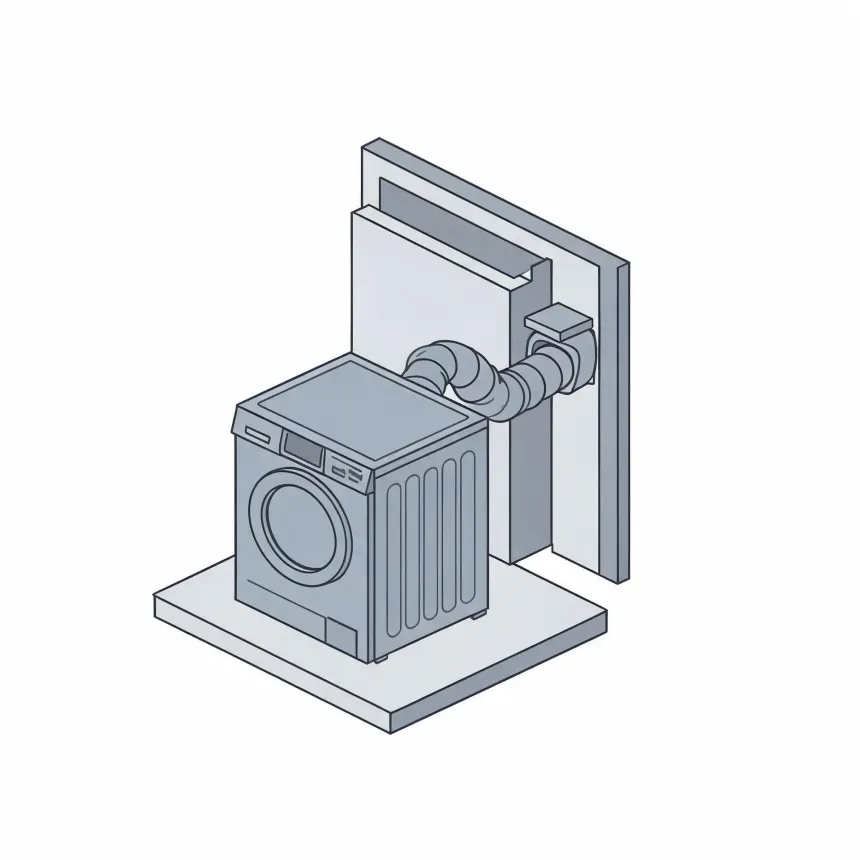
Cold turns dryer lint into a wall inside your vent
Your dryer pushes out warm, damp air every time it runs. In a Ketchikan winter, with nights averaging 33°F, that air hits the cold walls of the vent and cools fast. The moisture in it doesn't just vanish. It settles on the inside of the duct, and the lint traveling with it sticks right to those damp walls instead of blowing outside.
Over time that buildup narrows the vent. Airflow drops, the dryer takes longer to dry a load, and the motor works harder to push air through a smaller opening. A vent packed with damp lint is also a fire risk, since lint is what catches.
Jan
Feb
Mar
Apr
May
Jun
Jul
Aug
Sep
Oct
Nov
Dec
NOAA 1991–2020 monthly normals
- How often should a dryer vent be cleaned?
- Once a year for most households. If you run the dryer more than most, or your vent run is long or has several bends, check it more often since lint has more places to catch. A shorter answer is that if you can't remember the last cleaning, it's due.
- Can I clean my dryer vent myself?
- You can clean the part you can reach, but that's rarely the whole vent. Pulling the dryer out and vacuuming the first few feet helps, and clearing lint from the outside hood does too. The lint that builds up deep in the duct or around bends usually needs a brush and rod long enough to reach the full run, which is why a contractor with the right equipment gets the job done properly.
- What are the signs of a clogged dryer vent?
- Clothes taking longer than usual to dry is the biggest sign. Others include the dryer or the laundry room getting hotter than normal, a burning smell, very little lint in the trap, or weak airflow at the outside vent hood when the dryer is running. Any of these means air isn't moving through the vent the way it should.