Heat Pump Installation in Ketchikan, AK
Tell us about the house, and a licensed contractor who covers Ketchikan Gateway Borough will get in touch.
Tell us about the job
It takes about a minute.
A heat pump here runs every month, with no break to rest on
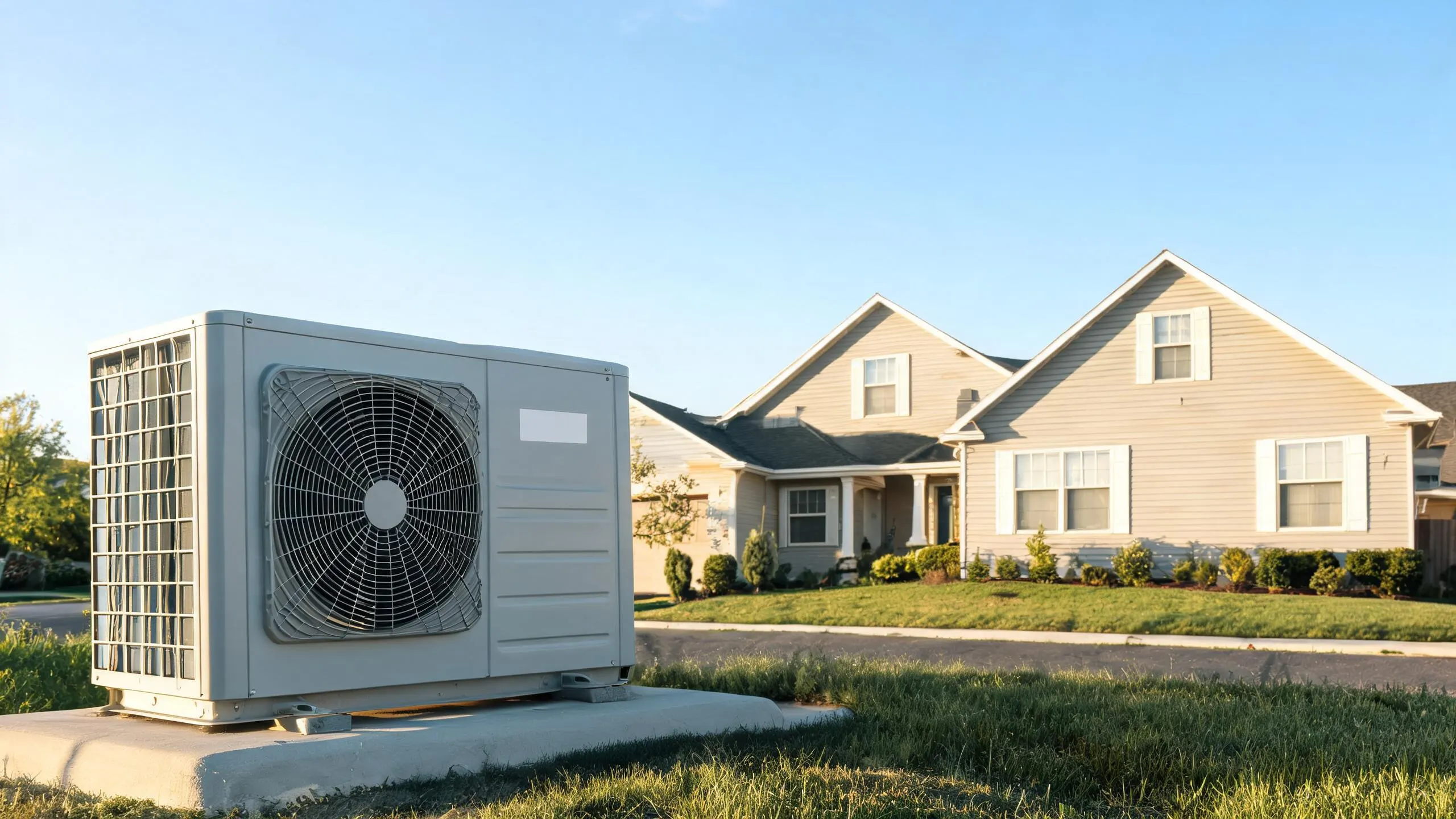
Ketchikan needs heat 12 months a year, and cooling in none, so a heat pump installed here spends its life on the heating side. Winter nights average 33°F from December through February. Summer afternoons only reach 65°F, mild enough that the same system barely has to work the other side of its job.
Wind is more of a factor here than deep cold. Ten years of records show ten damaging wind events against three winter storms, and in 2024, 21% of Alaska households lost power for at least 24 hours, which matters for a system that runs on electricity. Any new split-system heat pump built from 2023 on has to meet a federal minimum of 14.3 SEER2 and 7.5 HSPF2, whatever the local conditions ask of it beyond that.
- 33°F
- the average winter night it heats against
- 65°F
- the average summer afternoon it cools against
Alaska requires contractors to register with the state.
That registration puts the business on file with the state. Nobody tests the contractor's trade knowledge to get it, and no license is issued or revoked based on how the work turns out. It tells you the business exists on paper. It does not tell you who is any good at installing a heat pump.
Whatever protection this job gets comes from elsewhere. In most cities and boroughs here, a heat pump installation needs a permit from the local building office, with an inspection once the work is done. That inspection is what checks the refrigerant lines and electrical work were done right, not the state registration.
Source: Alaska Department of Commerce, Community, and Economic Development
- Is a heat pump better than a furnace?
- It depends on what you're heating with now and how cold it gets where you live. A heat pump moves heat instead of burning fuel to make it, so it costs less to run than fuel oil, which is what nearly half the homes in Ketchikan use. Winter nights here average 33°F, which is well within the range a modern heat pump handles, so cold isn't the deciding factor here. Some homeowners keep a furnace or other backup for the coldest stretches and let the heat pump carry most of the season.
- What's the difference between a heat pump and an air conditioner?
- An air conditioner only moves heat out of your house. A heat pump does that too, but it can also run in reverse and move heat into your house, which is what heats your home in winter. The parts inside are largely the same, the compressor, the coils, the refrigerant line. The difference is the reversing valve that lets a heat pump switch directions, something a plain air conditioner doesn't have.
- Does a heat pump work in cold weather?
- Yes. A heat pump still pulls heat from outside air even when it's cold, since air still holds heat well below freezing. Winter nights in Ketchikan average 33°F, which is a temperature range heat pumps are built to handle every day. Colder climates than this run heat pumps as their main heat source, so 33°F on its own isn't a problem for the equipment. A contractor can tell you whether your particular house needs backup heat for the harder cold snaps.