
Furnace Installation in Anchorage, AK
Tell us about the house, and a licensed contractor who covers Anchorage Municipality will get in touch.
Tell us about the job
It takes about a minute.
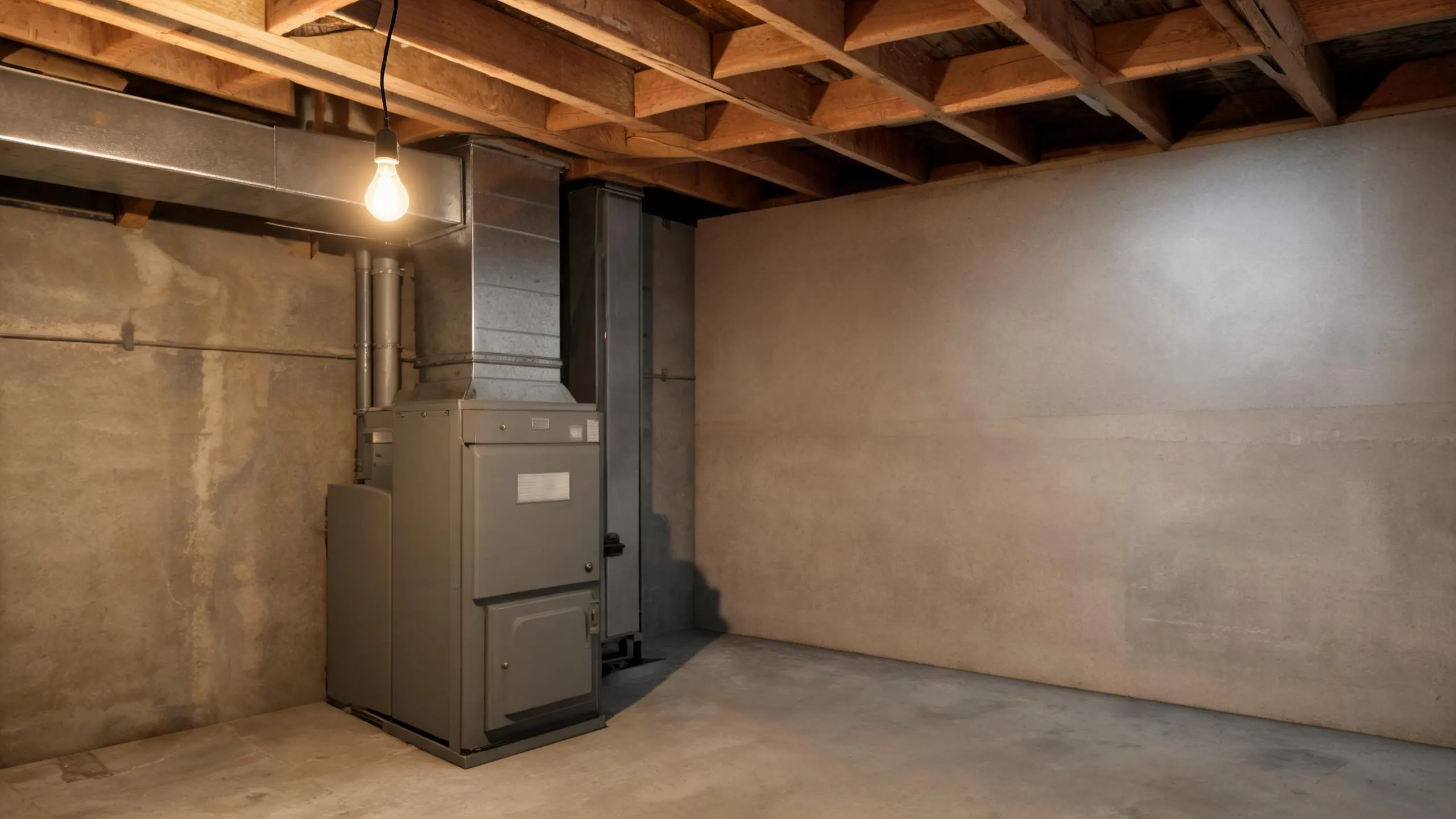
A furnace that runs every month of the year
In Anchorage, there is no season when the furnace sits idle. Homes here need heat all 12 months, and on winter nights that average 10°F, it runs hard to keep up. Most homes here heat with gas, and any non-weatherized gas furnace made since November 2015 has to reach at least 80 percent AFUE, so a new install already starts at that mark.
A furnace that never gets a break needs to be sized and installed right the first time. And with 21% of Alaska households going at least a day without power in 2024, it's worth asking how your new furnace starts back up once the power does.
- 10°F
- the average winter night it heats against
- 79%
- of homes here heat with gas, so most furnaces here burn gas
- 80% AFUE
- the federal minimum any new unit must meet
NOAA 1991–2020 monthly normals
A high-efficiency gas furnace would save about $190 a year to run in Anchorage Municipality compared with a gas furnace.
Estimates for a typical Anchorage Municipality home, from EIA household energy data, Alaska fuel prices and NOAA climate normals. Your home will differ.
Alaska requires contractors to register with the state.
That registration puts the business on file with the state. Nobody tested the contractor's work, and there is no state license behind the name, just a record that the business exists.
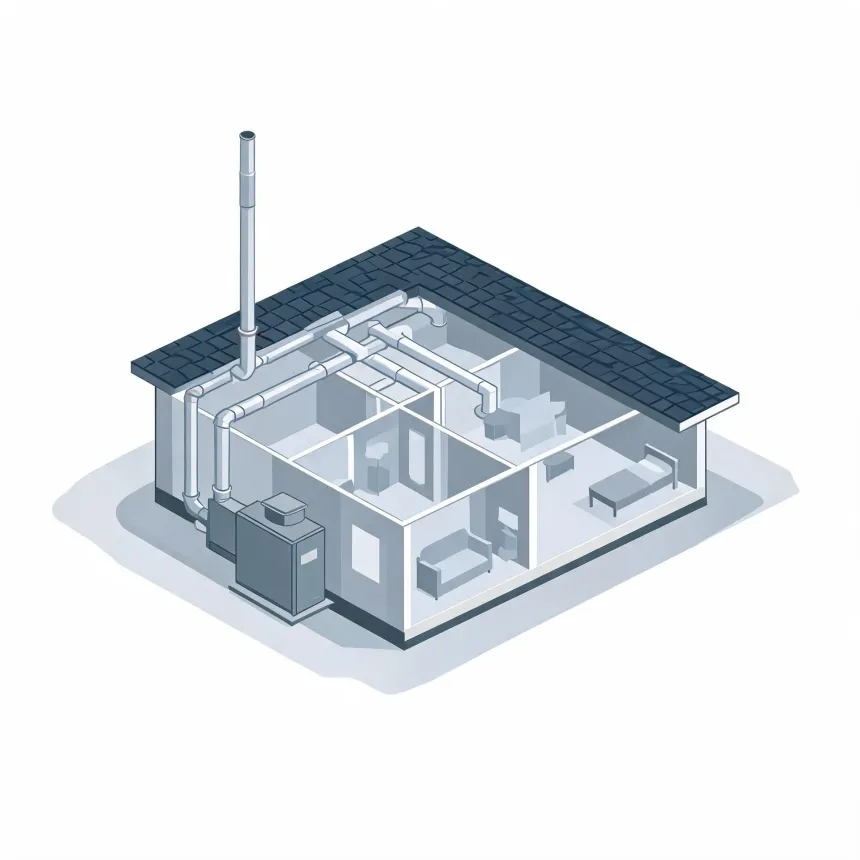
Since Alaska isn't checking the work itself, the local building office is what stands behind this installation. A furnace swap needs a permit in most cities and counties, and an inspector checks the work once it's done. That inspection matters most on the gas line and the venting, since a bad connection there is what turns into a real problem. With most homes in Anchorage Municipality heating with gas, that inspection is doing the job the state registration doesn't.
Source: Alaska Department of Commerce, Community, and Economic Development
- What size furnace does my house need?
- There's no number you can guess your way to. It comes from a load calculation that looks at your square footage, insulation, window count, and ceiling height, because a furnace that's too big cycles on and off and wears out early, and one that's too small runs constantly and still can't keep up. With winter lows here averaging 10°F, undersizing shows up fast on the coldest nights. A contractor will run the calculation for your house before quoting anything.
- How do I know it's time to replace my furnace?
- Age is one sign, along with repair calls that keep coming back, uneven heat between rooms, and a furnace that runs longer and longer to hit the same temperature. Any of those means the furnace is working harder to do what it used to do easily. Homes here need heat every month of the year, so a furnace on its way out doesn't get a season off to hide the problem. A contractor can tell you whether what you're seeing is normal wear or the start of the end.
- Is a high-efficiency furnace worth it?
- It depends on how much you heat and how long you plan to stay in the house. Since 2015, new non-weatherized gas furnaces have had to hit at least 80 percent AFUE, and high-efficiency models go higher than that, wasting less gas out the vent. With heat running 12 months a year here and most homes on gas, the fuel savings add up over more months than in places with a short winter. A contractor can walk through the options and their efficiency ratings for your specific house.