
HVAC Installation in Anchorage, AK
Tell us about the house, and a licensed contractor who covers Anchorage Municipality will get in touch.
Tell us about the job
It takes about a minute.

A furnace here never really stops working
Winter nights in Anchorage average 10°F from December through February, and heat is needed all twelve months. There's no real break where the system idles. It runs, cycles, and runs again, month after month, so every part in it sees more hours of work than it would almost anywhere else.
Summer afternoons average 66°F, mild enough that cooling isn't part of what a new system here needs to handle. Most homes heat with gas, and whatever replaces an old furnace or gets installed new has to be sized and installed for a place where the burner is doing real work most of the year, not backup duty a few weeks a season.
- 10°F
- the average winter night it heats against
- 66°F
- the average summer afternoon it cools against
Alaska requires contractors to register with the state.
That registration puts the business on file with the state. Nobody tested the contractor's work and nothing about the trade was checked before the number was issued. It tells you the business is on record, not that the state stands behind the installation.
For a heating and cooling install, the protection here comes from the local building office rather than the state. In most cities and counties, this kind of job needs a permit and an inspection once the work is done, and that inspection is what gets someone to look at the gas line, the refrigerant connections and the wiring before the system runs. The registration is a record that the business exists. The permit and inspection are what checks whether this installation was done right.
Source: Alaska Department of Commerce, Community, and Economic Development
- When should I replace my HVAC system?
- Replace it when repairs start happening every year or the system can no longer keep the house warm on the coldest nights. Homes here need heat all 12 months of the year, and winter nights average 10°F, so a furnace that struggles to keep up is a bigger risk here than in a milder place. A contractor can look at the age and condition of your unit and tell you whether it is worth repairing again or time to replace it.
- Should I replace my furnace and air conditioner at the same time?
- Most homes here do not have central air conditioning, since summer afternoons average 66°F and cooling is not something this climate calls for. If your home only has a furnace, replace it on its own schedule. If you do have an air conditioner alongside your furnace, a contractor can tell you whether replacing both together makes sense for your setup, but nothing requires it.
- What happens during an HVAC installation?
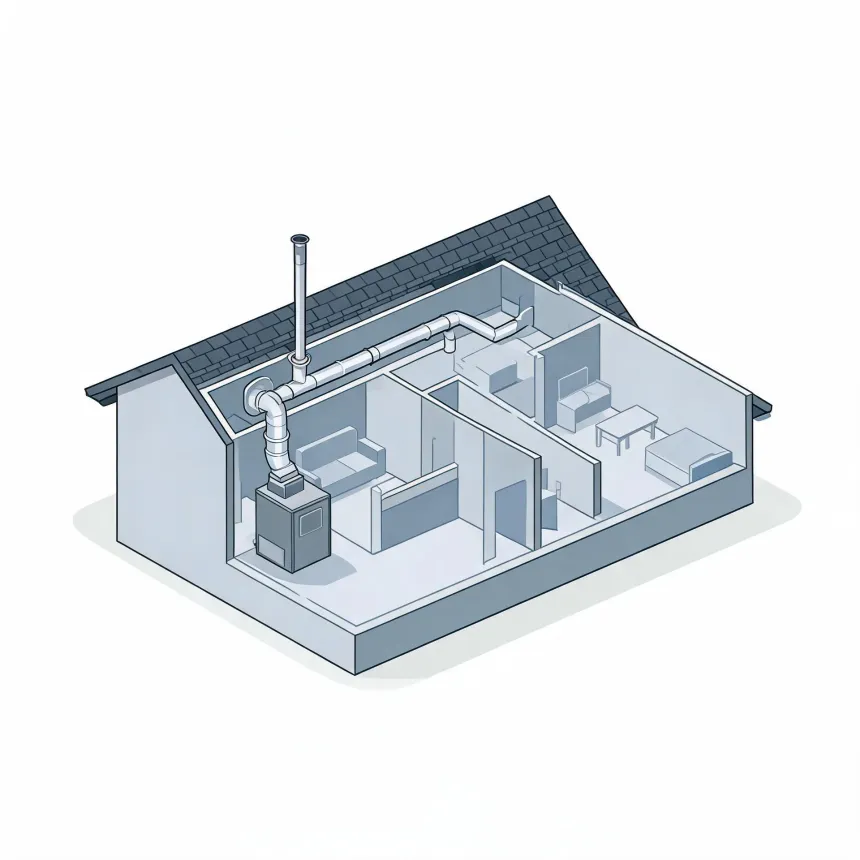
- A contractor removes the old equipment, sets the new furnace or system in place, and connects it to the existing ductwork, gas line or electrical supply. They check the venting, test the gas connections for leaks, and run the system through a full cycle to confirm it heats correctly. Since most homes here heat with gas, part of the job includes making sure the flue and combustion air are working the way they should before they leave. Alaska requires the contractor doing this work to be registered with the state.