
HVAC Installation in Kenai, AK
Tell us about the house, and a licensed contractor who covers Kenai Peninsula Borough will get in touch.
Tell us about the job
It takes about a minute.
A Kenai heating system runs all year
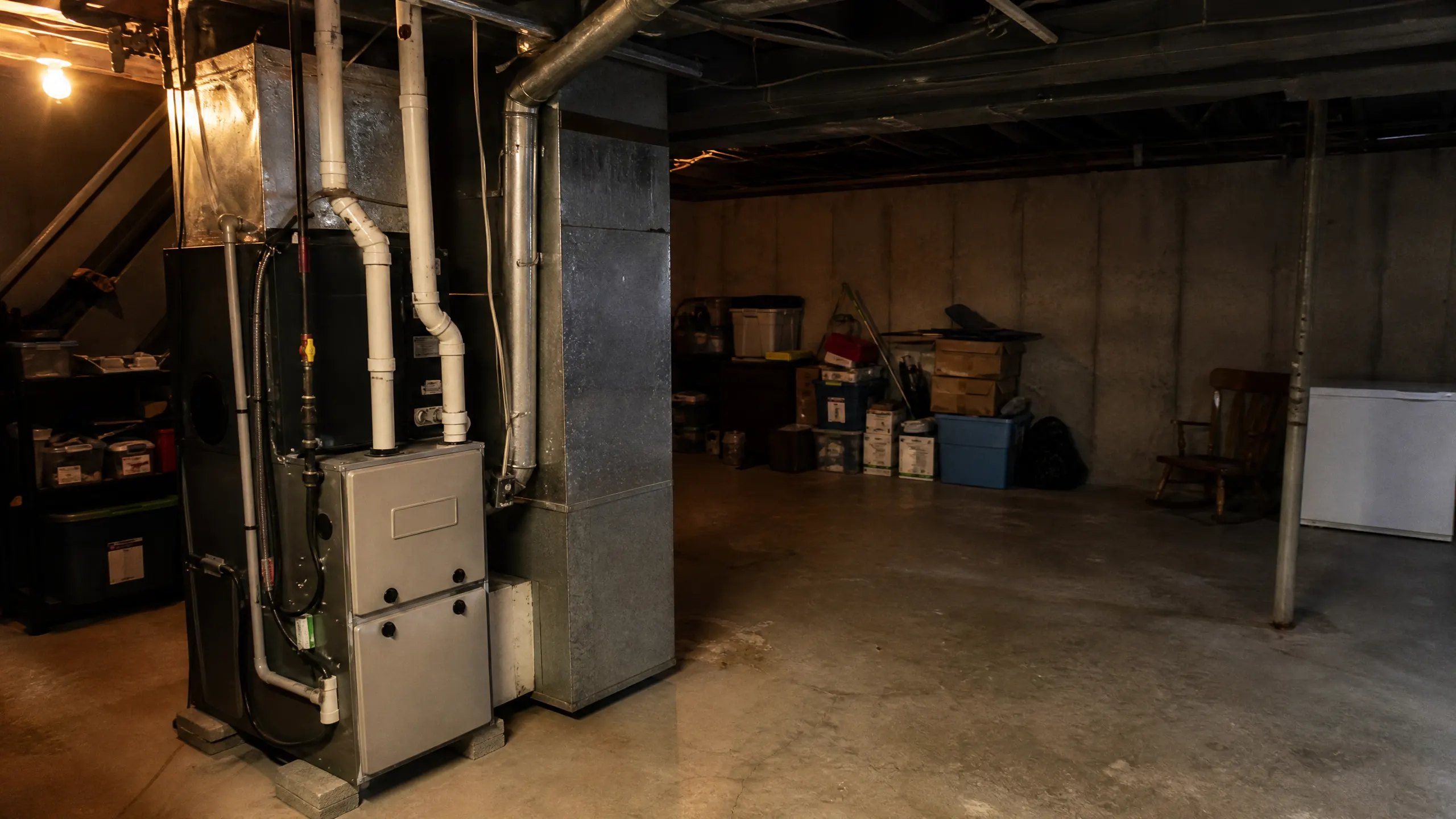
Winter nights here average 9°F from December through February, and a furnace or heat pump sized for that has to hold a house warm against real cold, not a mild dip. There is no break from it either. Homes on the Kenai Peninsula need heat all twelve months, since even summer afternoons only average 64°F. Whatever system goes in is working every month it sits in your house.
Most homes here heat with gas, so a new furnace still needs to meet that demand night after night for years. And with a fifth of Alaska households losing power for a day or more in 2024, it is worth knowing how the system you choose behaves when the power drops and comes back on.
- 9°F
- the average winter night it heats against
- 64°F
- the average summer afternoon it cools against
Alaska requires contractors to register with the state.
Registration puts a contractor's business on file with the state. Nobody tested their work, and there is no exam standing behind the name. It tells you the business exists on paper. It does not tell you whether they can install a heat pump or a furnace correctly.
For a job like this, most cities and counties in Alaska require a permit before the work starts and an inspection once it is done. That inspection, not the registration, is where a bad connection gets caught here.
Source: Alaska Department of Commerce, Community, and Economic Development
- When should I replace my HVAC system?
- Replace it when it can no longer keep up, not just when it breaks down once. In a place where heat runs all year, a furnace that short cycles, one that can't hold a set temperature, or one a contractor has been called out to fix more than once in a season is telling you something. Age matters too, since an older furnace works harder than a new one to do the same job and parts get harder to find. If yours is heating fine and holding steady, there's no reason to swap it out early.
- Should I replace my furnace and air conditioner at the same time?
- Homes here don't need air conditioning, so this decision usually comes down to the furnace alone. Most systems in this area are built around heat, since there's no cooling season to plan for. If your furnace needs replacing, a contractor can look at the rest of your setup and tell you what makes sense, but you're not weighing a furnace and an AC pairing the way homes in warmer places do.
- What happens during an HVAC installation?
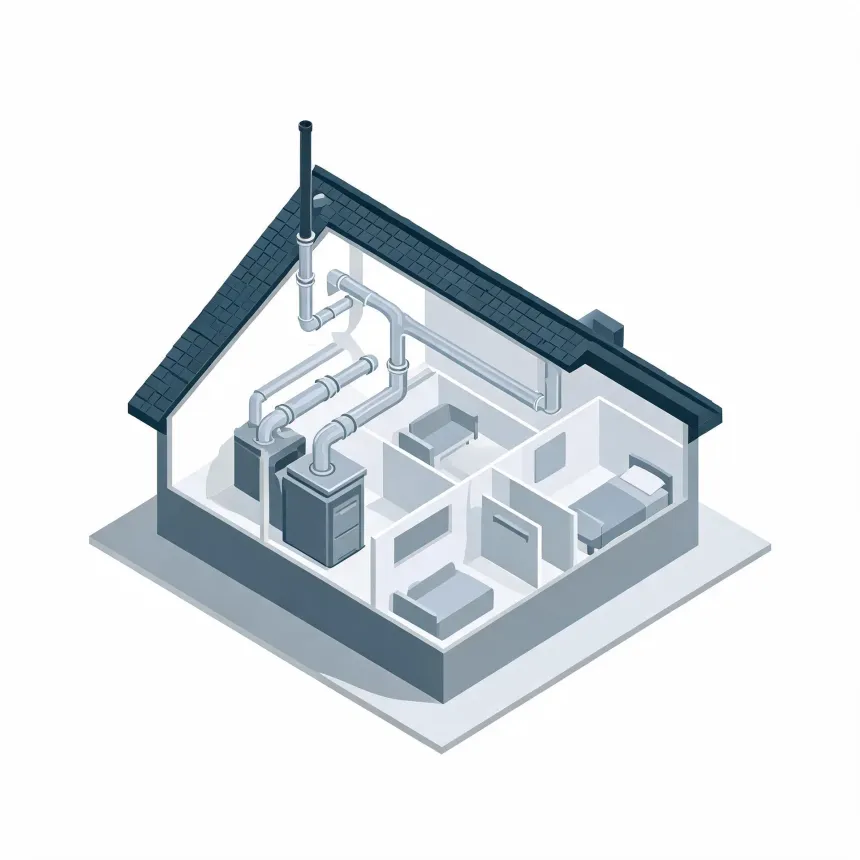
- A contractor removes the old equipment, checks the ductwork and venting, and sets the new furnace in place. They connect it to the gas line or electrical supply, the vent or flue, and the ductwork, then run it through a full heating cycle to make sure it holds the temperature it's set to. With winter lows here averaging 9°F, they'll also check that the thermostat and safety controls are working before they call the job done. The exact steps depend on what's being replaced and how the existing setup is laid out, which a contractor will walk through for your house specifically.