
HVAC Installation in Kodiak, AK
Tell us about the house, and a licensed contractor who covers Kodiak Island Borough will get in touch.
Tell us about the job
It takes about a minute.
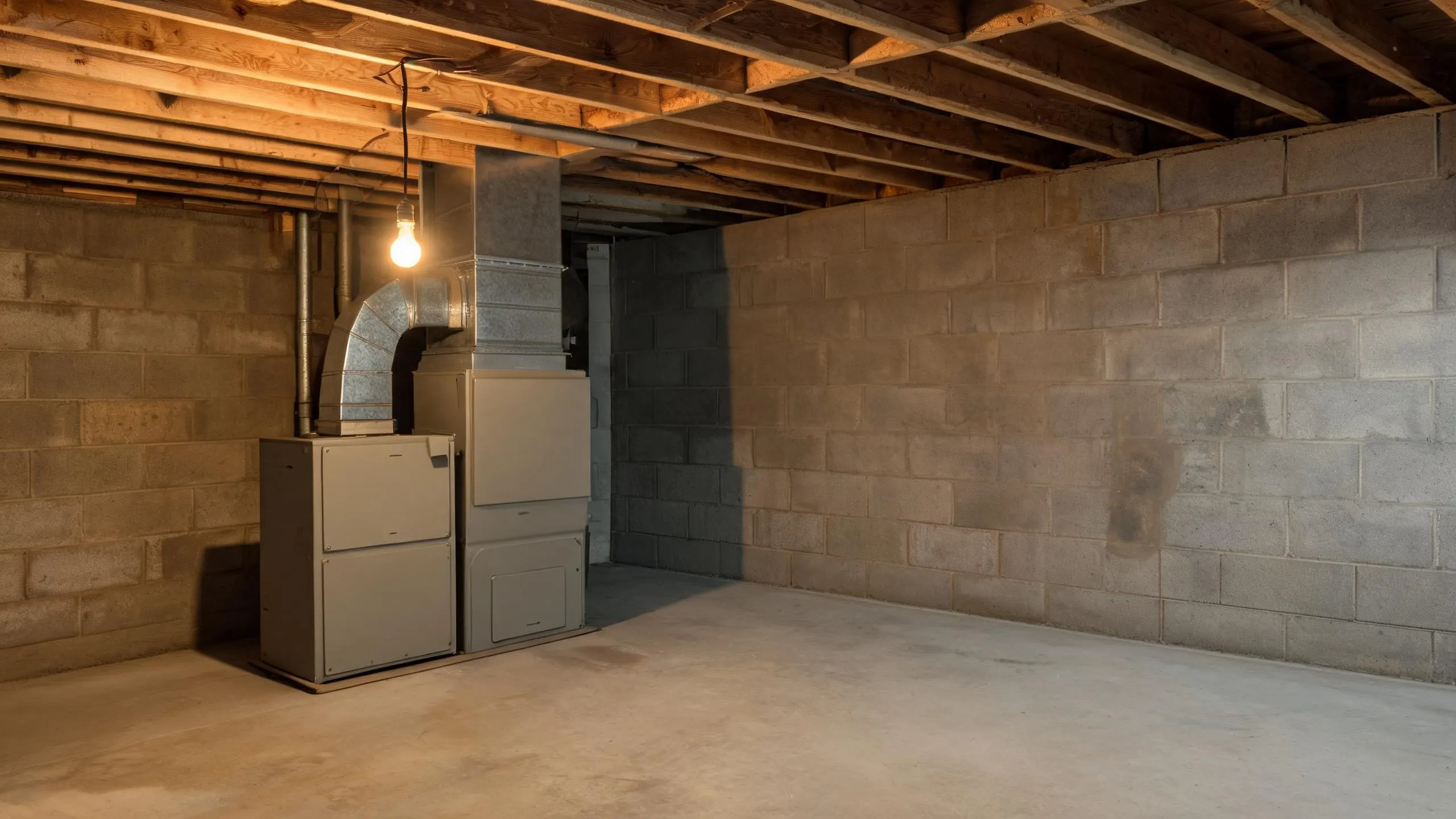
Kodiak asks for heat every month of the year
Winter nights here average 27°F from December through February, and summer afternoons only reach about 60°F. There is no real cooling season on the island. What Kodiak has is a heating season that runs all 12 months, so the system doing that job never really gets a rest.
Most homes here heat with fuel oil, and a new system needs to keep up with that same steady demand day after day, all year. Power is not always dependable either. In 2024, 21% of Alaska households went at least 24 hours without power, so it is worth asking whether a new system starts back up on its own once power returns, or needs someone to restart it.
- 27°F
- the average winter night it heats against
- 60°F
- the average summer afternoon it cools against
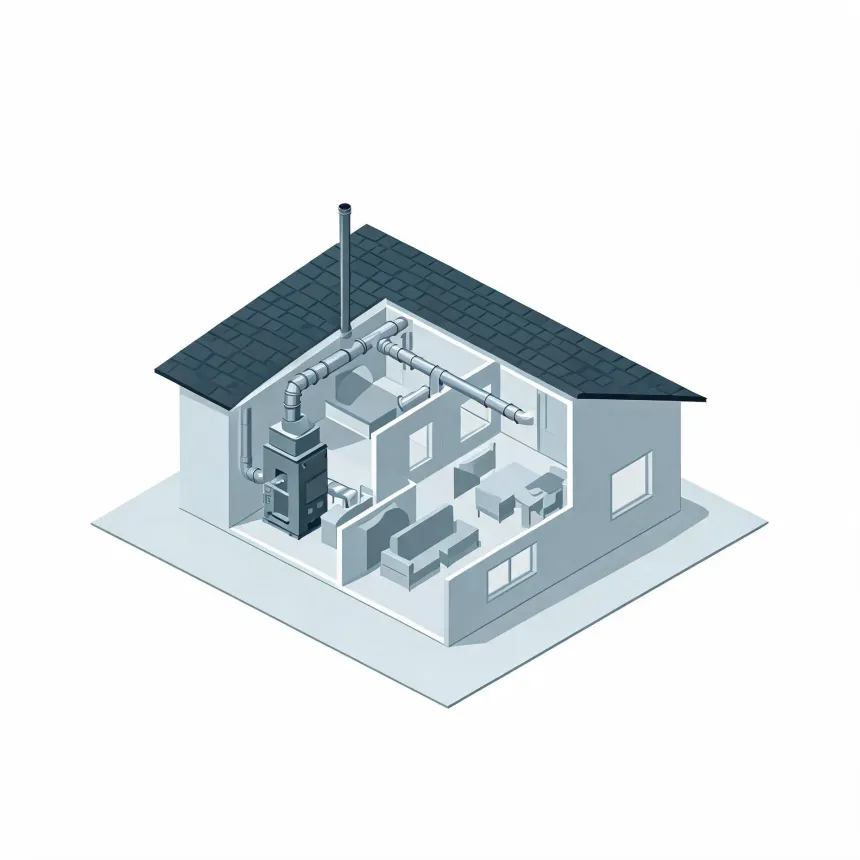
Alaska requires contractors to register with the state.
Registration puts the business on file with the state. There is no trade exam behind it and nobody tested the contractor's work, so the registration itself does not tell you whether the installation will be done right.
In most cities and boroughs here, putting in a new furnace, air conditioner or heat pump needs a permit from the local building office, with an inspection once the work is finished. That permit and inspection are what stand behind this job in Kodiak Island Borough, not the state registration.
Source: Alaska Department of Commerce, Community, and Economic Development
- When should I replace my HVAC system?
- Replace it when repairs start happening every year, or when the contractor tells you the heat exchanger or coil is failing. Age matters too. A furnace working hard through a Kodiak winter, with lows around 27°F from December through February, wears faster than one in a milder climate. If yours is old and struggling to keep up on the coldest nights, that is your sign, not a specific birthday for the equipment.
- Should I replace my furnace and air conditioner at the same time?
- Here, this question mostly does not apply. Kodiak homes need heat all year and cooling isn't a factor, with summer afternoons only averaging 60°F. So this comes down to your furnace on its own merits. If it's near the end of its life or costing you in repairs, that's the one to deal with. There's no matched-pair reason to touch a cooling system that was never doing much work here anyway.
- What happens during an HVAC installation?
- A contractor removes the old equipment, sets the new furnace or heating system in place, and connects it to your ductwork, venting, and fuel or power source. Then it gets tested under load to make sure it's producing heat correctly and safely. With most homes here running on fuel oil, that often means checking the oil line and tank connections too. A licensed contractor registered with the state of Alaska should handle this, and they can walk you through what your specific setup needs before the work starts.