
Furnace Installation in Juneau city and, AK
Tell us about the house, and a licensed contractor who covers Juneau City and Borough will get in touch.
Tell us about the job
It takes about a minute.
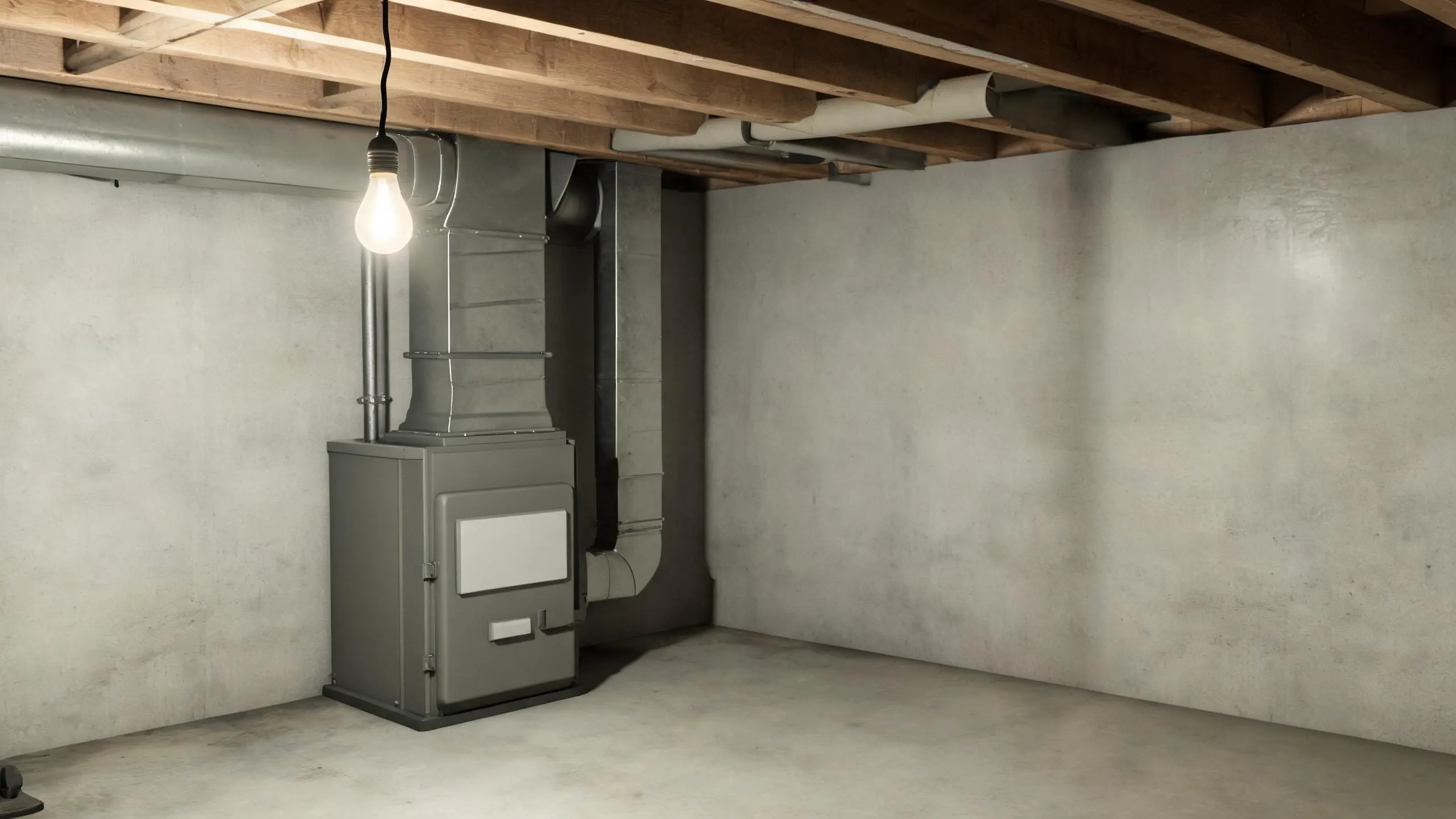
A furnace that runs every month of the year
In Juneau, heat isn't seasonal. Homes here need it 12 months a year, and winter nights average 26°F from December through February. A new furnace has to be sized and installed for that kind of duty, not for a few cold months and a break in between.
Almost half of homes here, 47.7 percent, heat with fuel oil. Whatever fuel a new furnace runs on, any non-weatherized gas furnace made since November 2015 has to meet 80.0 percent AFUE by federal rule. Power matters too. Alaska saw 21 percent of households go at least 24 hours without power in 2024, and the last ten years brought 18 winter storms and 13 damaging wind events to the area. A furnace installed here should be one that comes back on by itself once the power does.
- 26°F
- the average winter night it heats against
- 80% AFUE
- the federal minimum any new unit must meet
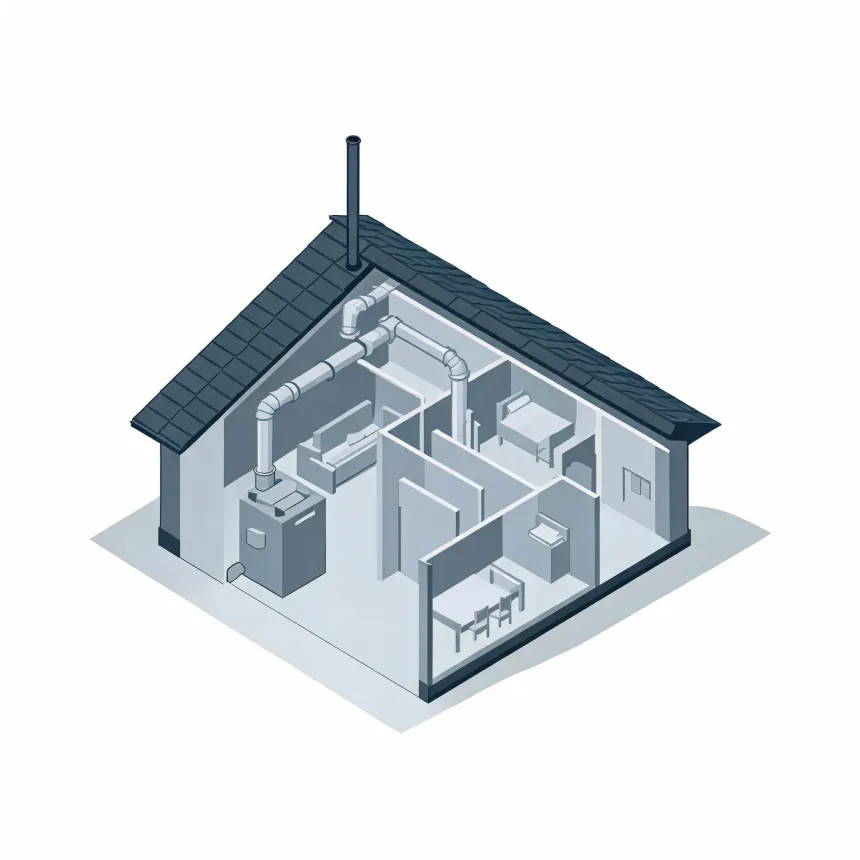
NOAA 1991–2020 monthly normals
Alaska requires contractors to register with the state.
That registration puts the business on file with the state. Nobody tests the contractor's work or checks their trade knowledge before handing it out. It tells you the business exists on paper. It does not tell you whether they install a furnace correctly.
Since Alaska is not testing anyone, the check on this job happens at the local building office. A furnace installation in most cities and boroughs needs a permit before the work starts and an inspection once it is done, and that inspection is what catches a bad gas connection or a flue that was not run right. That is where the accountability for this job actually sits.
Source: Alaska Department of Commerce, Community, and Economic Development
- What size furnace does my house need?
- The right size comes from a load calculation, not from the square footage alone. A contractor works out how much heat your house actually loses, factoring in your insulation, your windows, and your ceiling height, then matches a furnace to that number. Since heat is needed here every month of the year, getting this right matters more than in places where a furnace sits idle half the year. Too big and it short cycles, too small and it runs constantly without ever quite catching up.
- How do I know it's time to replace my furnace?
- Watch for uneven heat, rising fuel use, or repairs that keep coming back. A furnace that cycles on and off more than it used to is working harder to do the same job it used to do easily. Nearly half the homes here heat with fuel oil, and an aging oil furnace tends to lose efficiency gradually, so the change can be easy to miss until a winter bill makes it obvious. If your furnace is old enough that parts are getting hard to find, that's also a sign to start planning a replacement before it fails in the middle of winter.
- Is a high-efficiency furnace worth it?
- For a house that needs heat all year, a high-efficiency furnace has more time to earn back the difference than it would somewhere with a short heating season. Furnaces built since November 2015 already have to hit 80 percent AFUE at minimum, and high-efficiency models go well beyond that by pulling more heat out of the same fuel before it goes out the vent. A contractor can look at your current furnace and your fuel use and tell you whether stepping up to a higher-efficiency model makes sense for your house.