
Furnace Installation in Wrangell city and, AK
Tell us about the house, and a licensed contractor who covers Wrangell City and Borough will get in touch.
Tell us about the job
It takes about a minute.
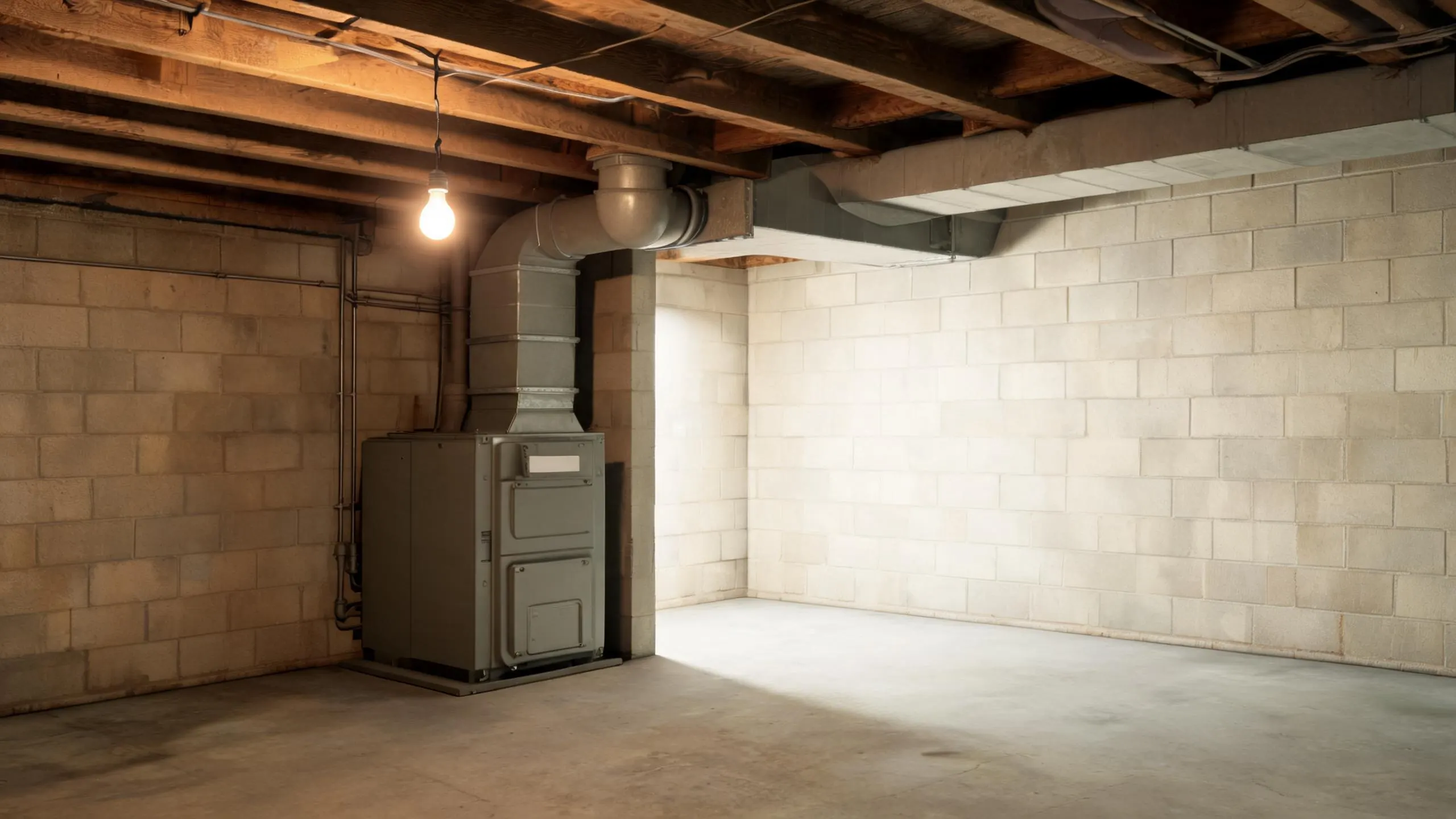
A furnace that runs every month of the year
In Wrangell, heat is not a seasonal job. With winter nights averaging 30°F and homes here needing heat all 12 months, a new furnace has to be built for steady, year-round work, not a few months of hard use followed by a long rest.
Most homes here run on electric heat, and the power does not always stay on. Storms have knocked out power here before, and across Alaska, one in five households lost power for 24 hours or more in 2024. If you are installing a gas furnace, a unit built after November 2015 has to reach at least 80 percent AFUE by federal rule, so that baseline is already covered. What matters beyond that is a furnace sized and installed to keep working through a season that never really ends.
- 30°F
- the average winter night it heats against
- 80% AFUE
- the federal minimum any new unit must meet
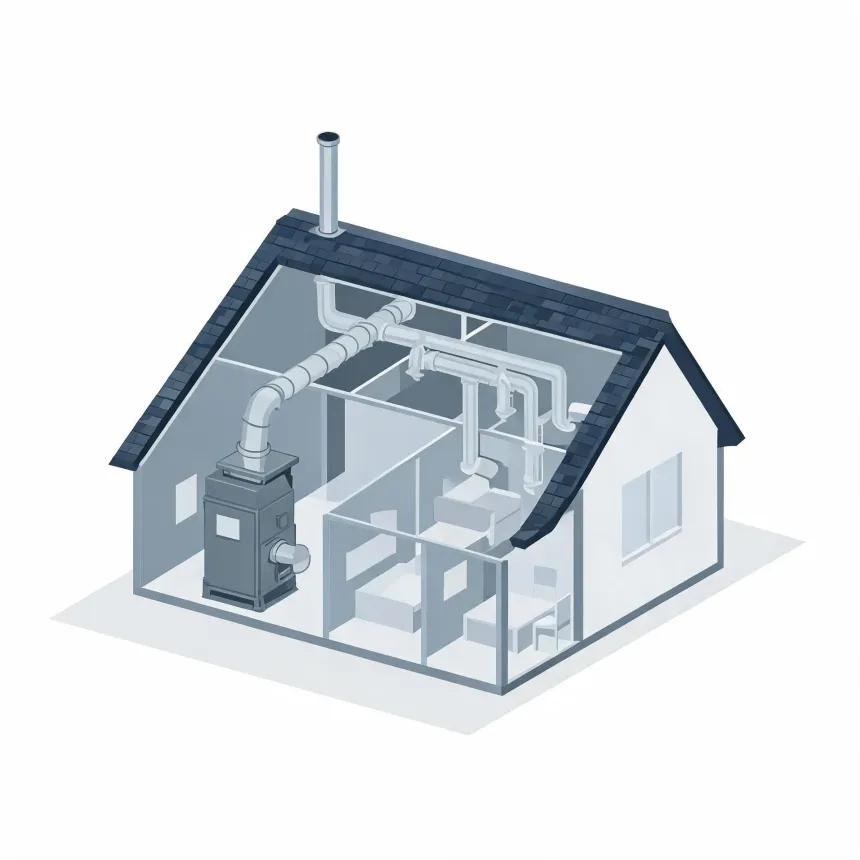
NOAA 1991–2020 monthly normals
Alaska requires contractors to register with the state.
That registration puts the business on record with the state. Nobody tested the contractor's work and no trade exam stands behind it, so it tells you the business exists and can be traced, not that the work will be done right.
For a furnace install, a permit from the local building office is what applies here. Most cities and counties require one for a furnace replacement, with an inspection once the work is done, and that inspection is where the gas connection gets checked, which is the part of the job where a mistake actually matters.
Source: Alaska Department of Commerce, Community, and Economic Development
- What size furnace does my house need?
- The right size comes from a load calculation, not a guess based on square footage. A contractor works through your insulation, window area, ceiling height, and air leakage to find the number your house actually needs. This matters more here than in a mild climate, since your furnace is running most days of the year and an undersized or oversized unit will show it in your comfort and in how often it cycles. Skipping this step and matching the old furnace's size is a common mistake, since the old one may have been wrong too.
- How do I know it's time to replace my furnace?
- Watch for heat that is uneven room to room, a furnace that turns on and off more than it used to, or repairs that keep coming back. Most furnaces are built to last a decade or two, and once one starts needing yearly repairs, the cost of patching it adds up against a new unit. In a place where homes need heat all year, a furnace that's struggling isn't a minor inconvenience. If yours is showing more than one of these signs, it's worth having a contractor look at it before it fails on a cold night.
- Is a high-efficiency furnace worth it?
- For a house here, yes, because the furnace runs nearly every month of the year rather than just a few months in winter. Every non-weatherized gas furnace sold since November 2015 has to hit at least 80 percent AFUE, and higher-efficiency models go well beyond that, meaning less fuel burned for the same heat. With winter lows averaging around 30°F and heat needed year round, those efficiency gains get used constantly instead of sitting idle most of the year. A contractor can walk you through which efficiency level fits your house and your fuel type.