
HVAC Installation in Fairbanks, AK
Tell us about the house, and a licensed contractor who covers Fairbanks North Star Borough will get in touch.
Tell us about the job
It takes about a minute.
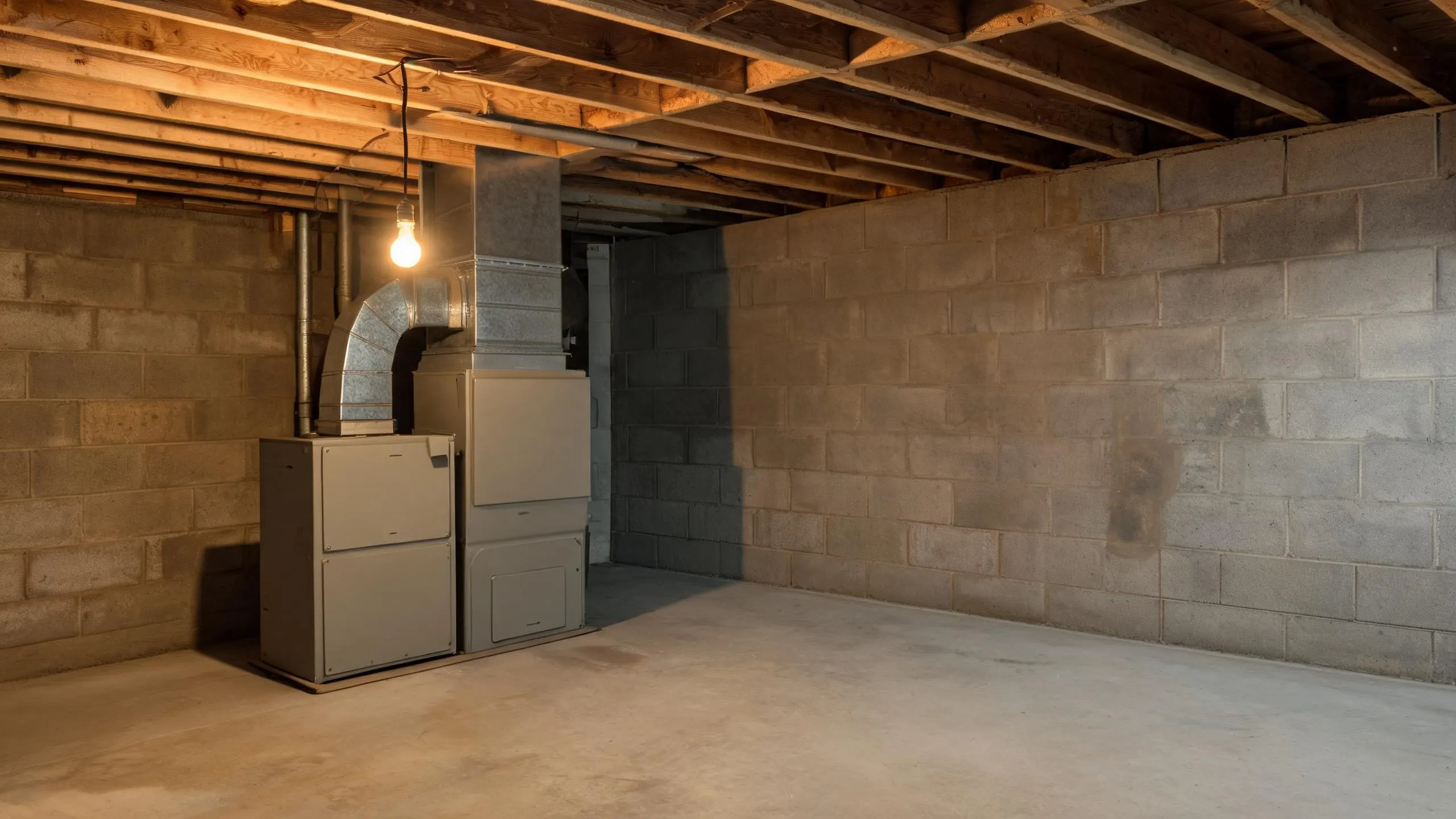
Your new system has to carry the winter almost by itself
Fairbanks needs heat eleven months a year. Winter nights average 10 below zero from December through February, and a furnace or heat pump here runs through cold that most of the country never sees. Whatever you install has to be sized and rated for that, not for a mild winter somewhere else.
Most homes here heat with fuel oil, so new equipment has to work with the fuel system already in place or replace it cleanly. Summers stay cool, near 70°F, so cooling is a small part of the job if it's part of it at all. Winter storms are a regular part of life here too, and a heating system that depends on the grid is a system that can fail on the coldest night of the year.
- 11 months
- August through June, your system heats
- -10°F
- the average winter night it heats against
- 70°F
- the average summer afternoon it cools against
Alaska requires contractors to register with the state.
That registration puts the contractor's business on file with the state. Nobody tested their work to get it. There is no trade exam behind the number, so it tells you the business exists and can be traced, not that the state checked their skill.
For a job like this, most cities and counties require a permit from the local building office, with an inspection once the work is done. That inspection is what checks the gas connections and the rest of the installation, not the registration.
Source: Alaska Department of Commerce, Community, and Economic Development
- When should I replace my HVAC system?
- Replace it when repairs start costing more than they're worth, or when the furnace can't keep the house warm on the coldest nights. An older furnace that needs a major repair usually isn't worth fixing, especially here where it runs from August through June. Watch for longer run times, rooms that won't heat evenly, and fuel oil use that keeps climbing. If a contractor has been out more than once this winter for the same problem, that points to a system that's done, not just struggling.
- Should I replace my furnace and air conditioner at the same time?
- Most homes in Fairbanks don't have central air conditioning, since summer afternoons average 70°F and the climate doesn't call for it. If your home does have both, replacing them together can make sense when they're the same age, since a furnace and coil are often matched to work as a system. But if only the furnace is failing, there's no reason to replace equipment that's still working.
- What happens during an HVAC installation?
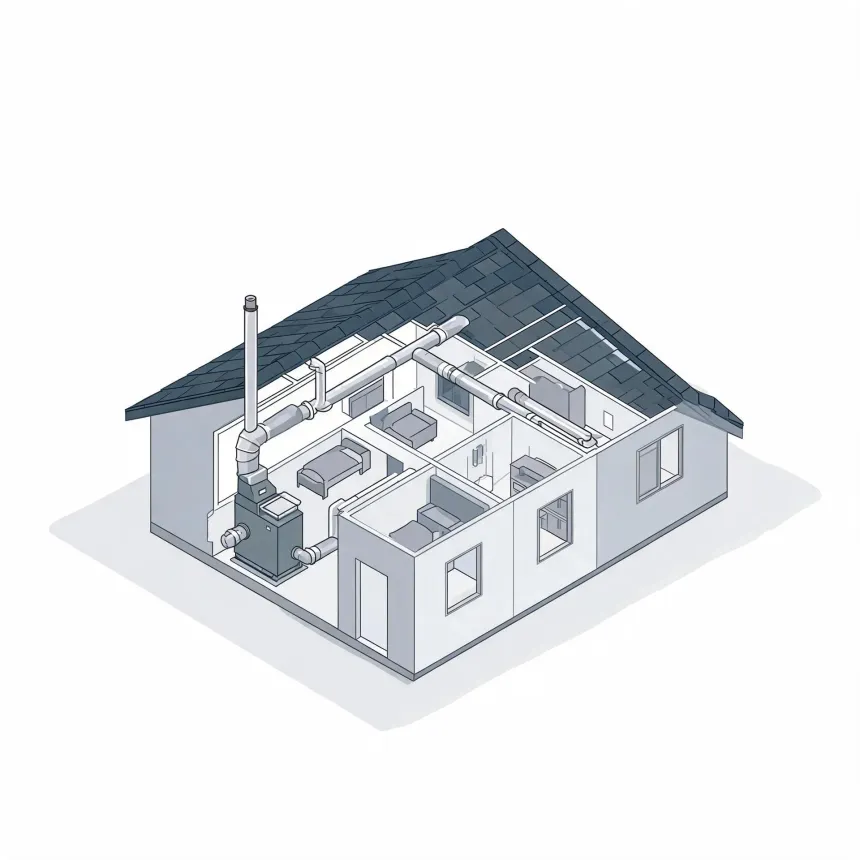
- A contractor sizes the new equipment to your house, taking into account square footage, insulation, and how well the place holds heat through winters that average -10°F. The old furnace is disconnected and removed, then the new one is set in place, connected to the ductwork and venting, and wired in. Since most homes here heat with fuel oil, the fuel line and tank connections get checked as part of that work. Before leaving, the contractor tests ignition, airflow, and controls, and checks that carbon monoxide levels are safe since that's tied directly to how the furnace vents.