

Alaska HVAC Help

Signs your dryer vent is clogged in Alaska

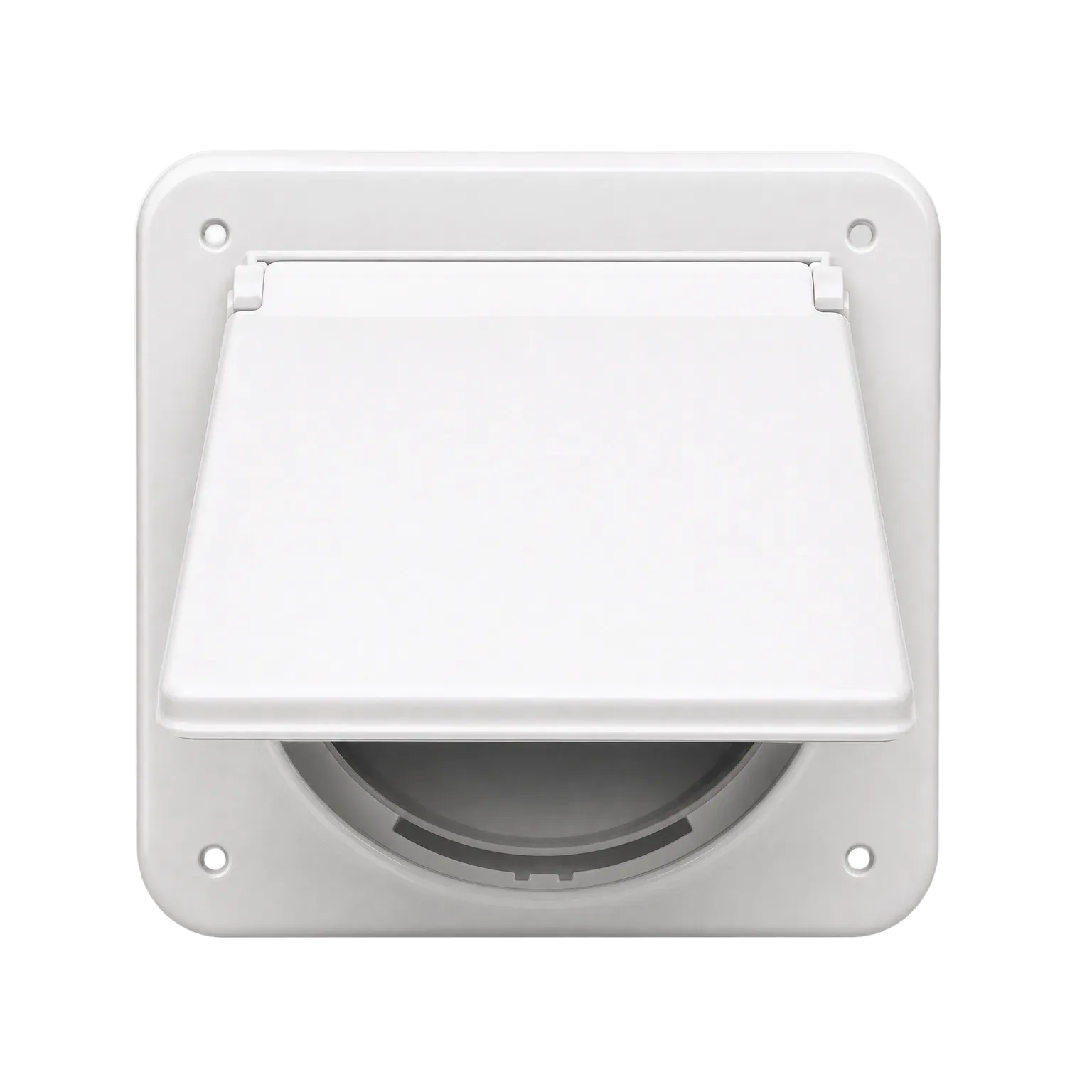
A white square plastic dryer vent hood with a hinged flap propped open, revealing a round duct opening, shown against a plain light gray background.
Hand it off

A clogged dryer vent shows up as clothes that take two or three cycles to dry, a dryer that's hot to the touch on top, or a burnt smell when it runs. Lint builds up inside the vent duct over time, and once airflow gets restricted enough, the dryer can't push the hot moist air outside. You'll notice the laundry room feels more humid than it used to, or the outside vent hood barely moves its flap when the dryer is on. In Alaska, where winters mean the dryer runs more and the exhaust often has to travel through a longer, colder run to get outside, a partial clog gets worse faster, since warm air hitting a cold duct wall sheds moisture that lint traps even easier. With power costs here among the highest in the country, a struggling dryer running longer cycles is burning extra money every single load. Left alone, it's also a fire risk.

A metal dryer vent hood mounted on beige horizontal lap siding, with gray lint clogging its open flap, above a lighter textured foundation wall.
Before you get your dryer vent cleaning
A white hooded exterior dryer vent with a mesh screen, screwed to light gray horizontal lap siding above a concrete foundation.
After you get your dryer vent cleaning

Why it runs longer in winter

Gas dryers vent warm moist air outside through the same duct that carries lint. When that duct is clogged, the dryer has to push harder to force air out, and in Alaska that strain shows up fast because the dryer is already working against cold outside air pressing back through the vent hood. A dryer fighting both a clog and the cold draws more power to finish a load, and with electricity rates here among the highest around, that extra cycle costs more than it would somewhere milder.


What the lint is doing inside

Lint doesn't just sit at the vent hood outside. It collects in stretches of duct you can't see, especially at bends and anywhere the duct runs long before reaching an exterior wall. Each layer narrows the path a little more, so airflow drops gradually rather than all at once. That's why a vent can go from working fine to barely passing air over a few months without anything else changing. By the time the dryer feels hot on top, the duct is likely restricted most of its length.

A smiling bearded man in a dark green hooded jacket and blue t-shirt sits on a couch in a living room with shelves, a potted plant, and a bowl of popcorn on a wooden table.
A smiling man in a green long-sleeved shirt sits on a beige sofa in a living room, with a bowl of popcorn in the foreground, a large potted plant and shelving behind him.
A smiling man in a dark blue T-shirt sits on a couch in a dimly lit living room with a bowl of popcorn and a remote on a wooden table, a lit floor lamp and bookshelves behind him, and windows showing greenery.
A smiling bearded man in a dark green long-sleeved shirt sits on a leather couch in a living room, with a bowl of popcorn and a remote control on a wooden table in the foreground.

A dryer that runs long and hot every day adds to a power bill that's already among the highest in the country, and a lint-packed vent is a known house fire risk.

Cleared out, the dryer dries on one cycle again, the power bill stops climbing for no reason, and the vent isn't sitting there as a fire hazard all winter.

A woman in a dark gray sweater reclines on a couch with her eyes closed and a knit blanket over her lap, an open book resting face-down in front of her, with a lit table lamp and shelving blurred in the background.
A bearded man in a dark navy sweater over a collared shirt smiles and looks off to the side while seated at a dinner table with a glass of red wine, a lit candle, and a plate of food in the foreground of a dimly lit room.

Clogged Vent vs Cleared Vent

Vent left alone

  • Lint keeps packing into the duct, so each load dries slower than the one before it.
  • A gas dryer pushing against a clogged vent runs longer and hotter, and in Alaska that cost shows up fast on an already high power bill.
  • Lint sitting in a duct near a heat source is a fire risk, not just a drying problem.
  • The dryer's thermostat and heating element work harder to make up for lost airflow, which wears them down sooner.
  • A burnt smell or a top that's hot to the touch usually means the clog has already gotten bad enough to matter.

Vent cleared out

  • Clothes go back to drying in one cycle instead of two or three.
  • The dryer stops straining, so it pulls less power to do the same load.
  • Moist air actually makes it outside instead of backing up into the duct, which matters more in an Alaska winter when the dryer already works harder.
  • A local pro who services this equipment every season knows which duct runs and vent hoods clog first in homes around here.
  • With one contractor handling the job, you're not fielding calls from several companies trying to win the work.
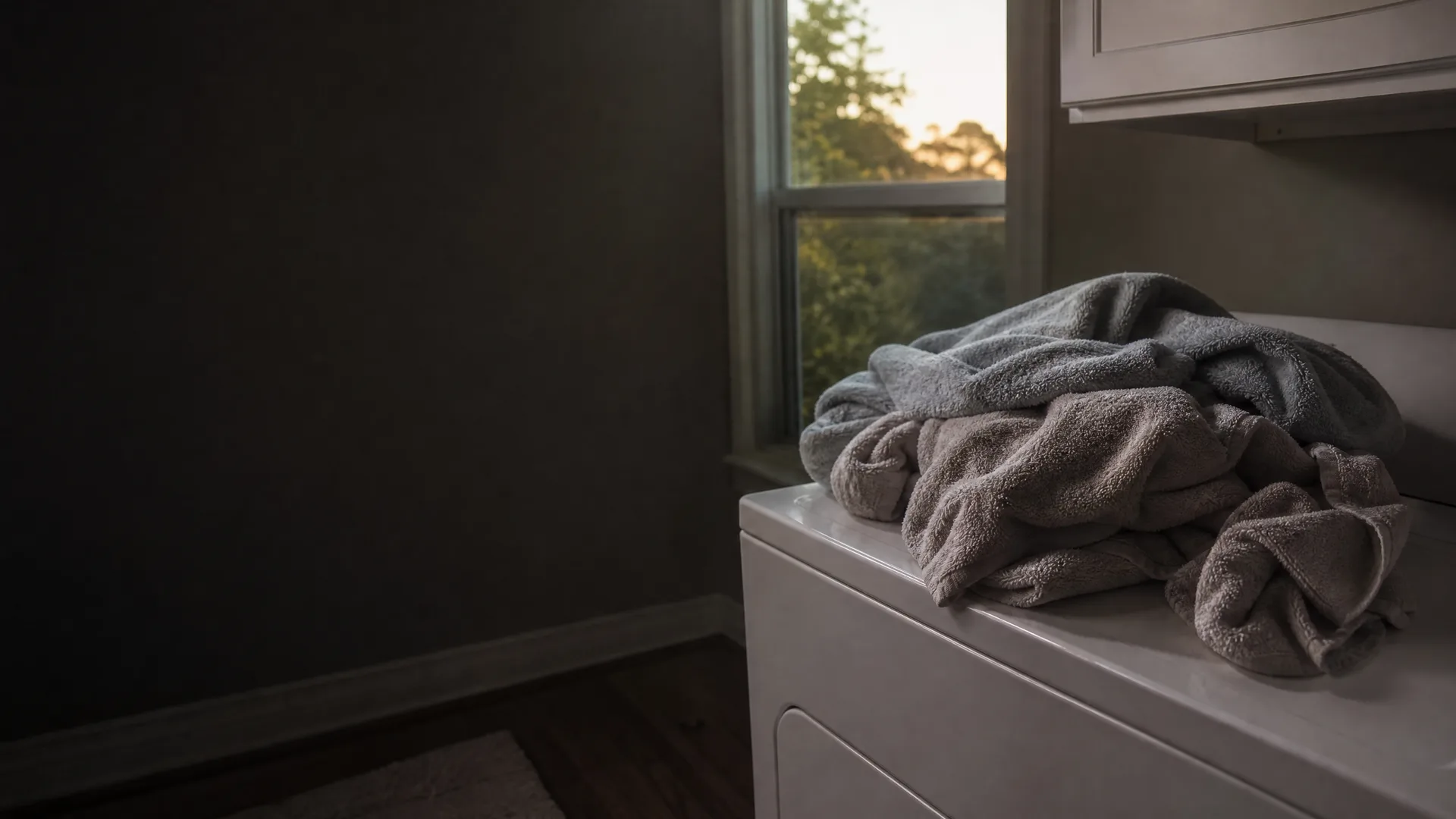
A pile of gray and taupe towels sits on top of a white laundry appliance in a dim room beside a window with trees and sunlight outside.

It's past eight and the laundry room light is the only one still on. You've run the towels twice now, and they're still damp enough to smell like hot dust instead of clean cotton. The top of the dryer is warm enough that you pull your hand back. Outside it's been dry for weeks, the kind of stretch that makes you think the dryer should have an easy time of it, and that's almost worse, because nothing about tonight suggests why this is taking so long. You pile the towels back in for a third round and go sit down, half listening for the buzzer, already knowing it's going to run hot again.

One request and it's handed off

Your dryer vent cleaning request goes to one local pro.

You only hire the pro if you want to.

A white hooded exterior vent cover with a louvered underside, screwed to beige horizontal lap siding above a lighter stucco lower wall.

The vent cap sits open and clear

Air passes straight through the louvers with each load. The hood moves when the dryer kicks on and closes when it stops. Nothing crusts around the opening, and no lint catches on the screws or the siding below it.

A beige plastic dryer vent hood mounted on horizontal vinyl siding, with clumps of gray lint protruding from the open flap.

The vent cap is choked with lint

Lint has packed the louvers shut and started pushing out past the cover. The dryer is forcing air through a gap that keeps getting smaller. This is what's behind the long, hot cycles and the burnt smell in the laundry room.

Power costs 26.11 cents per kilowatt-hour statewide

At 26.11 cents a kilowatt-hour, every extra minute your dryer runs costs more here than almost anywhere else. A clogged vent can mean a second or third cycle on top of the first, and that's power you're paying top rate for just to finish drying one load of towels.

EIA-861 2025 statewide residential average

What a Clogged Vent Tells You

  • Clothes that need a second or third cycle, a hot dryer top, and a burnt smell all point to the same clogged vent.
  • Left alone, the clog gets worse each load and keeps adding minutes to a power bill already among the highest in the country.
  • Cleared out, the dryer goes back to drying on one cycle and that fire risk is gone.
  • A local contractor who services this equipment all year knows which duct runs and vent caps clog fastest in Alaska's cold.
  • You're matched with one licensed local contractor, so you're not fielding calls from a handful of companies.

Two cycles instead of one, a dryer top too hot to touch, a burnt smell in the laundry room. These aren't separate problems. They're the same clogged vent telling you about itself in three ways. Lint builds inside the duct a little at a time, and once it narrows enough, the dryer has to work against it on every single load. Nothing clears that on its own. It only packs in tighter, and the dryer only works harder to push air through it, which means more minutes added to a power bill that's already steep before you factor in a struggling vent.

Once the duct is cleared, the dryer goes back to doing the job in one cycle, and the fire risk that comes with lint sitting against a hot motor goes with it. That part of it is straightforward. What matters more is who clears it. Someone who works on dryer vents in Alaska through the cold months knows which vent caps ice over and which duct runs pack with lint fastest in this climate, because that's what shows up on the job here. You're not being handed off to whoever answers first. You're matched with one licensed local contractor who already knows this equipment, so the person who shows up is the person who looks at your vent, not a dispatcher sorting you into a queue.

A single-story stone-clad house with low-voltage path lights along a gravel bed and lawn at dusk, with a tree line and orange sky on the horizon.

Dryer Vent Cleaning

Done looking for a dryer vent pro

Duct and vent cleaningAlaska
Step 1 of 3

What kind of equipment?

  • A dimly lit living room corner with a beige upholstered sofa holding a dark green cushion and a chunky knit throw, beside a wooden sideboard with a lit ceramic table lamp, a small potted plant, and a wooden bowl, with a framed artwork on the wall and a mug on a book in the foreground.
    • A local pro who cleans dryer vents gets in touch with you.
    • Your dryer vent cleaning request goes to a local pro who does this work.
  • A round wooden coffee table holding a round stone vase of green foliage, a lit candle in a glass container, and a small dark bowl, with a beige sofa, cushions and knit throw behind and a window at left.
    • Send the request and finding a pro stops being your problem.
    • One request and the search for a pro is handled.
  • Sunlit living room with a wooden coffee table holding a ceramic vase of leafy branches and a carved wooden tray with two stacked books, in front of a beige sofa with tan and green cushions and a potted plant near a window.
    • Skip calling around for someone who cleans dryer vents.
    • Answer a few questions about the dryer vent cleaning and skip the search.
  • Interior corner with a lit ceramic table lamp and wooden bowl on a wood sideboard, a framed picture and branch-filled vase behind, a knit throw over an upholstered chair, and a lit candle in a glass holder, stoneware mug and round planter of green foliage on a wooden table in the foreground.
    • Only one pro gets your request, so you hear from one company.
    • Your request stays with one local pro.