
Birds nesting in a dryer vent in Kenai, AK

Find my pro

A bird in your dryer vent doesn't leave quietly. It builds, it blocks airflow, and it turns a simple exhaust into a fire risk sitting right against your house. Kenai summers bring birds looking for a warm, sheltered spot, and a vent hood with a bent flap or no cover at all is an open invitation. You've probably noticed the signs already. Clothes taking longer to dry. A burnt smell when the dryer runs. Maybe even sound coming from the vent itself. Once you know what's in there, the next question is who gets it out safely, without tearing up the siding or leaving a mess behind. That's not a job to guess at. Fill out the form and get matched with a contractor who works on vents like yours, in homes like yours, in this part of Alaska. They'll reach out to you directly. No more searching, no more wondering who to call. Just the next step, handled.

Why do birds keep nesting in my dryer vent in Kenai?

You've pulled out one nest already, maybe two, and the birds keep coming back. The vent cover looks fine from a few feet away, but something about it is letting them in, or inviting them in the first place. You want to know what's actually drawing birds to this specific spot on your house and whether clearing the nest out is enough to stop the next one from showing up.

A bent or missing flap on the vent hood is usually why

The dryer vent exhausts warm air straight outside, and that warmth is exactly what draws birds looking for a place to build in spring and early summer. A vent hood is supposed to have a flap or louver that closes when the dryer isn't running, keeping birds and debris out. Once that flap is bent, rusted stuck, or missing a spring, the opening stays available and a bird treats it as a ready-made cavity. Pulling the nest out doesn't fix the flap, so the same spot stays open to the next bird that comes looking. Until the hood itself is repaired or replaced, clearing it out is only a temporary fix.

A white louvered dryer vent hood mounted with four screws on beige horizontal lap siding above a gray stucco foundation and concrete walkway.

Vent clear and sealed

This is a vent hood doing its job. The flap moves freely and closes flat against the housing when the dryer isn't running, so there's no gap for a bird to wedge into. Air from the dryer pushes straight out, and nothing builds up behind it.


A white plastic dryer vent hood mounted on beige horizontal vinyl siding, with lint clogging its lower opening and a concrete foundation below.

Vent packed with lint

This is what a nest leaves behind. Once birds move material in, lint from every load catches on it instead of blowing clear, and the opening narrows until it's mostly blocked. The dryer runs longer to dry the same load, and the exhaust has nowhere to go but back into the house.

A woman in a gray turtleneck sweater stands near a window with snow outside, in a dimly lit living room with a lit Christmas tree, table lamp, sofa and bookshelf.
A woman in a cream knit sweater with her hair in a bun stands in a dimly lit living room looking out a large window at snow-covered evergreen trees, with a lamp, sofa, framed picture and lit candle behind her.
A woman in a thick gray knit sweater stands beside a window looking out at falling snow, with a dimly lit living room containing a lamp, sofa, string lights and a candle behind her.
A woman in a gray turtleneck sweater stands in a dimly lit room with a lit table lamp, framed picture and sofa, looking toward a window with snow outside.

Why the vent draws them in

A dryer vent gives off warm air every time it runs, and the duct behind the flap stays sheltered from wind and rain. To a bird hunting for a nest site in spring, that's close to ideal. A flap that doesn't snap shut all the way, or a vent hood with a bent or missing screen, leaves just enough of a gap to get a beak and then a body through. Once one bird gets in and builds, the nest material itself props the flap open wider, making it easier for the next bird to find.

What a blocked vent does to the dryer

Dryer exhaust has to go somewhere, and nest material in the duct gives it nowhere to go but back toward the machine. Drying times stretch out, the dryer runs hotter than it should, and lint that would normally blow outside starts collecting against the blockage instead. That lint is what turns a nest into a fire risk, since it sits right at the point where hot exhaust air is being forced back on itself. A dryer that used to finish a load in under an hour taking much longer is often the first sign something's built up back there.

A wall-mounted plastic dryer vent hood on light-colored horizontal vinyl siding, clogged with lint and debris hanging from its opening, above a gray painted foundation.
Before you get your dryer vent cleaning
A white hooded dryer vent with a louvered grille screwed to beige horizontal lap siding above a lighter foundation wall.
After you get your dryer vent cleaning

Get matched with a dryer vent pro in Kenai Peninsula Borough

A nest doesn't clear itself out. Twigs and grass packed behind the flap stay there, and every load you run after that pushes hot, damp air into a blocked duct instead of outside. That's where lint starts collecting faster than it should, right at the spot already stuffed with nesting material. In Kenai, with summers bringing birds hunting for shelter every year, a vent that's been built up once is an easy target again next spring unless the duct and hood get cleared out properly, not just picked at from outside. A contractor who does this work can get into the duct itself, pull everything out, and check whether the flap is still sealing the way it should. You've already spent time pulling nests out by hand. Handing the rest of it off means someone who does this for a living takes it from here.

What a blocked vent means for your house

Lint needs somewhere to go every time you run a load, and a vent packed with nest material stops it from getting there. That lint builds up fast, and it's dry and it sits right next to warm air pushing out of your dryer. That's the combination a house fire starts from. You may notice the dryer taking two or three cycles to do what one used to do, or the top of the machine feels hot to the touch partway through a load. The air coming out at the vent hood outside will feel weaker than it should, if it's moving at all.

What it costs you before it's fixed

A blocked vent makes your dryer work harder to push air through, and that shows up on your power bill before you've connected the two. Power here already runs high, and a dryer running longer cycles to get clothes dry adds up over the winter months when laundry doesn't dry on a line outside. Beyond the bill, a dryer straining against a blocked vent wears out its heating element and blower sooner than it should. The nest itself won't clear with a vacuum from your end. It's packed in behind the flap, against the duct wall, where only a full cleaning reaches it.

2.4 people per household on average

At 2.4 people, most houses on the Kenai Peninsula are running a load every day or two, not once a week. Each one of those runs pushes air past whatever's nested behind the flap, so a blocked vent here gets found out fast.

ACS 2020-2024

A dryer vent with a bird's nest in it is a blocked vent, and a blocked vent is a job for someone who can get the duct clear and the flap working again. That's not something to leave for later once you've found nest material back there, not with warm air pushing into a house all winter. Clearing it out, checking the flap, and sealing the gap that let the birds in the first place is the whole fix, and it holds once it's done right. You don't have to track down who does this kind of work or figure out if they're any good at it. Send the form and a contractor who handles dryer vent cleaning on the Kenai Peninsula will reach out to you. From there it's off your plate, and the vent stops being something you have to think about every time you start a load.

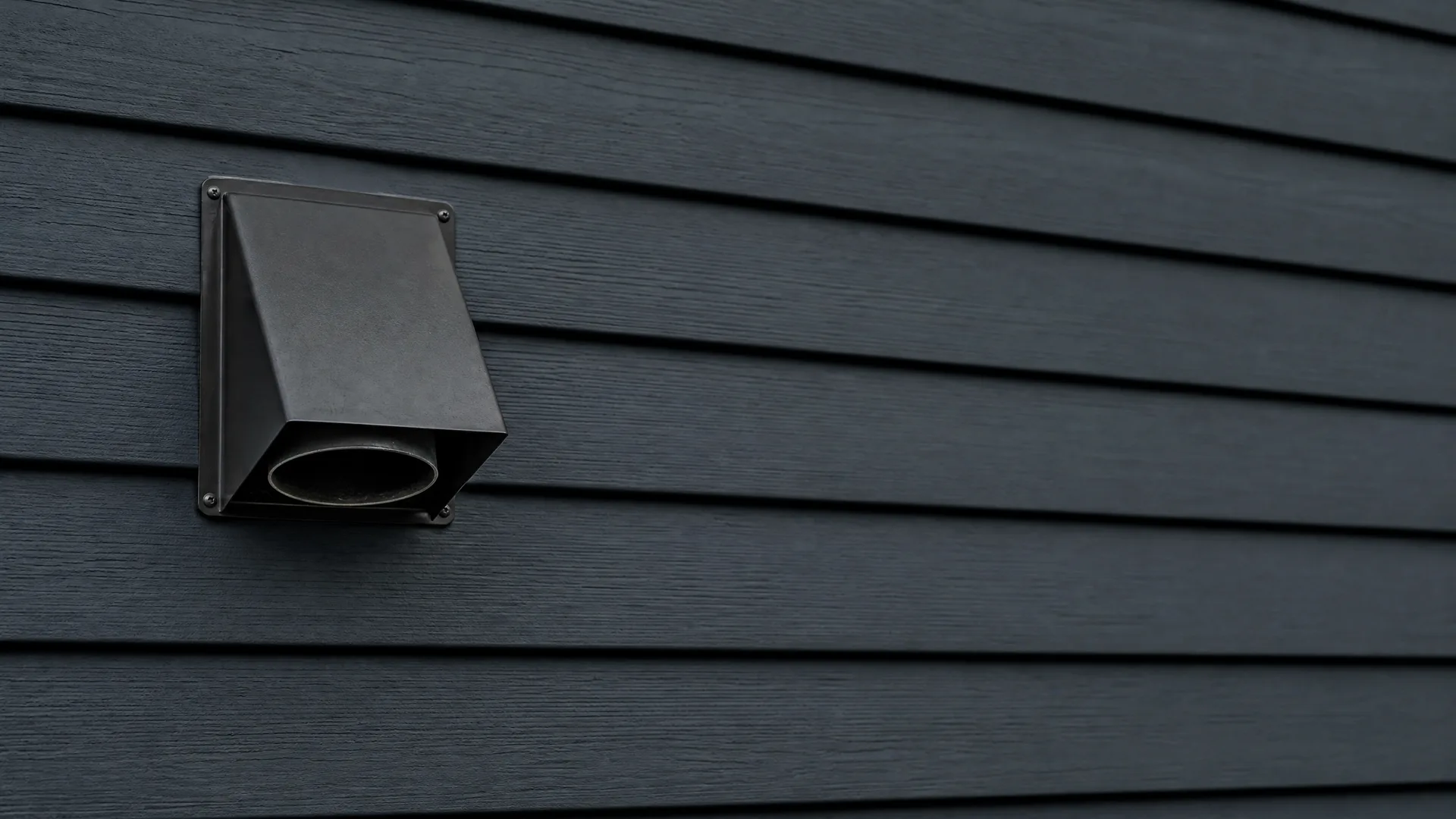
A dark grey hooded vent cover with a round downward-facing opening mounted on a dark grey horizontal lap siding wall.

Get the right pro for your dryer vent

After you send the request, you're done searching.

Duct and vent cleaningKenai Peninsula Borough, AK
Step 1 of 3

What kind of equipment?