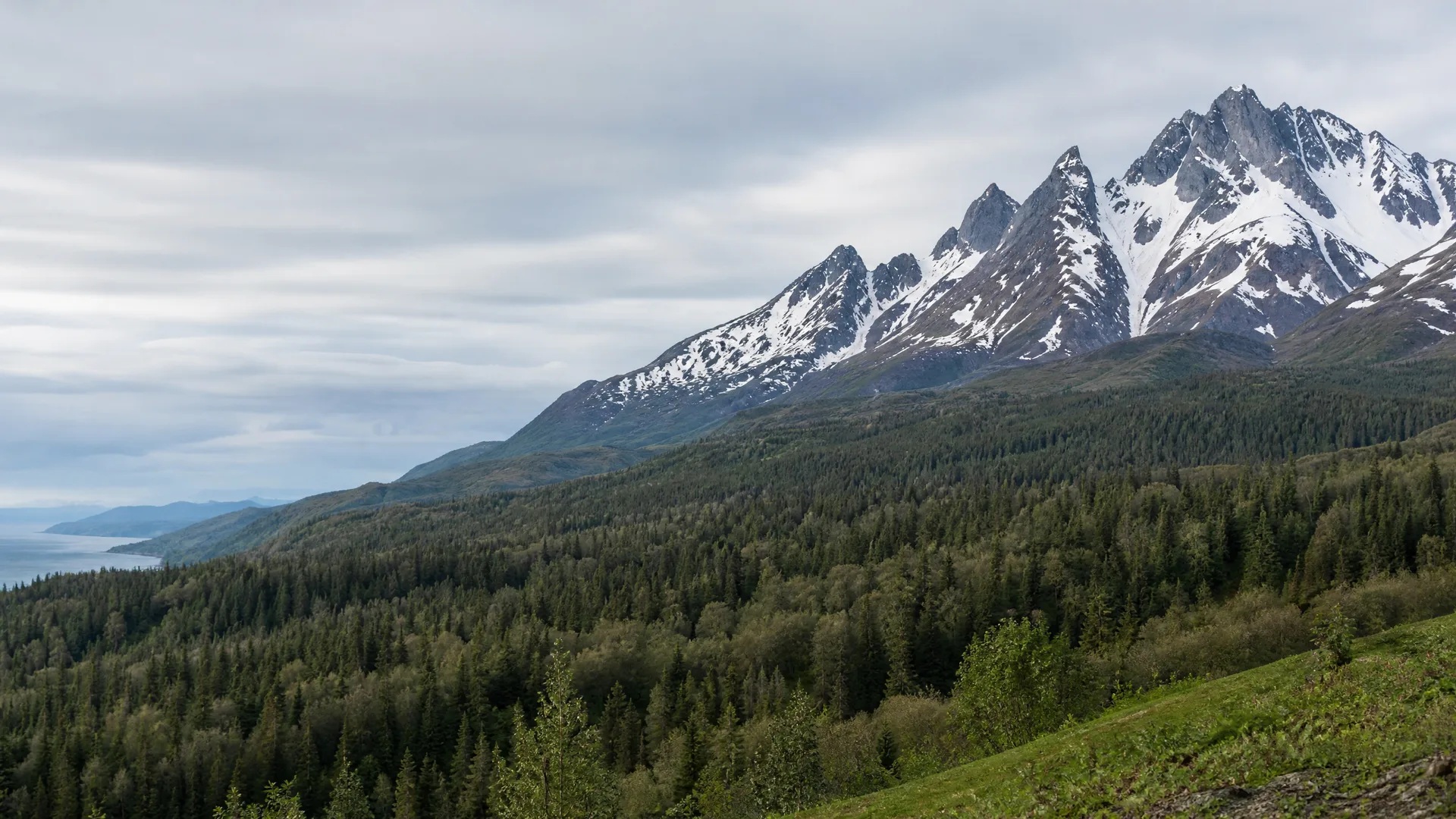

Vent clear
Air moves freely through the hood and the flap swings open while the dryer runs. A full load dries in one cycle. Outside, the wall around the vent stays clean, and the flap closes most of the way once the dryer shuts off.
Get matched with a pro who works on dryer vents in Ketchikan Gateway Borough.
A dryer that runs cycle after cycle and still leaves clothes damp usually means the vent is clogged somewhere between the drum and the outside wall. Lint builds up along the duct, and once enough has gathered, the hot moist air the dryer needs to push outside has nowhere to go. It backs up into the machine instead, so clothes come out warm but wet and the next load takes even longer. In Ketchikan, with all the rain and the damp air, that trapped moisture has a harder time escaping between cycles, so a vent that would clear out on its own somewhere drier tends to stay clogged here. Left alone, the dryer works harder and runs hotter than it should, every single load. Checking the vent, and the duct running from the dryer to the outside, is the next step.
Air moves freely through the hood and the flap swings open while the dryer runs. A full load dries in one cycle. Outside, the wall around the vent stays clean, and the flap closes most of the way once the dryer shuts off.

Lint has built up around the opening and the flap barely lifts when the dryer runs. Clothes come out damp after one cycle, so you run a second. Warm, humid air that should go outside is backing up into the duct instead.
Run a load and check the room after. If it feels warmer than the rest of the house, or the air hangs heavy and smells faintly like hot dust, that heat and moisture should be going outside through the vent, not staying in your laundry room. You might notice the dryer itself feels hot to the touch on top, or a cycle that used to take forty minutes now runs an hour or longer. Some households run the dryer twice just to get towels dry. Left alone, that trapped heat is a fire risk, and in a house that depends on oil heat through a Ketchikan winter, a dryer working this hard adds real strain to a machine already working against the damp.

The flap opens wide when the dryer runs and swings shut when it stops. The siding around the hood is free of lint. Air carrying the moisture out of your dryer has a clear path through the duct and out that opening.

The flap sits stuck open, held there by lint packed into the hood itself. Air cannot push past that buildup, so the moisture it's carrying backs up into the duct instead of reaching the outside wall.
You keep running the same load a second time, sometimes a third, and the dryer still isn't getting clothes all the way dry. You want to know why a blocked vent would make that much difference, rather than just slowing things down a little.
A dryer dries by pushing hot air through wet clothes and out through the vent, carrying the moisture with it. When lint narrows that path, less air gets through, so less moisture leaves with each pass. The drum keeps turning and the heater keeps firing, but the air coming back around is already damp instead of dry. The dryer has no way to know this. It just keeps running on the timer or the sensor, adding more heat and more cycles to do what one normal cycle used to do. In a fully blocked vent, almost none of that moist air leaves the house at all, and the clothes stay wet no matter how long the dryer runs.




Skip searching for someone who cleans dryer vents in Ketchikan Gateway Borough.
Your request goes to a Ketchikan Gateway Borough pro who takes dryer vent jobs.
You only hire the pro if you want to.




With 2.34 people in the average Ketchikan household, laundry runs often, load after load through the same vent. Every cycle pushes more lint through that duct, so a run that long means buildup has more chances to settle in a bend before anyone notices the dryer working harder.
ACS 2020-2024
A load that takes two or three cycles to dry almost always comes down to one thing: the vent isn't letting air out the way it should. Lint has gathered somewhere along the duct, between the drum and the outside wall, and the dryer is working against that blockage every time it runs. You can check the hood flap and feel whether the laundry room runs warmer than it should, and that will tell you something is wrong. It won't tell you exactly where, since most of the duct run stays hidden inside the wall. That's what a camera is for, and it's also where a homeowner trying to handle this alone runs out of options.
Once the duct is actually clear, the fix itself is straightforward. Hot, moist air has a path outside again, and a load should dry in one cycle like it used to. Getting there is the part that takes the work: finding someone in Ketchikan who clears vents rather than just services the dryer itself, calling around for quotes, explaining the long dry times again to each one, and sorting through answers that may not agree on what's actually blocked. A contractor matched to your situation skips that. They come in already knowing what to check first, with the tools to see the full run instead of guessing from the two ends you can reach, and you're left with one call instead of several.





Skip searching for a dryer vent pro and answer a few questions instead.
Asking costs nothing, and the choice to hire stays yours.