
Clear and venting properly
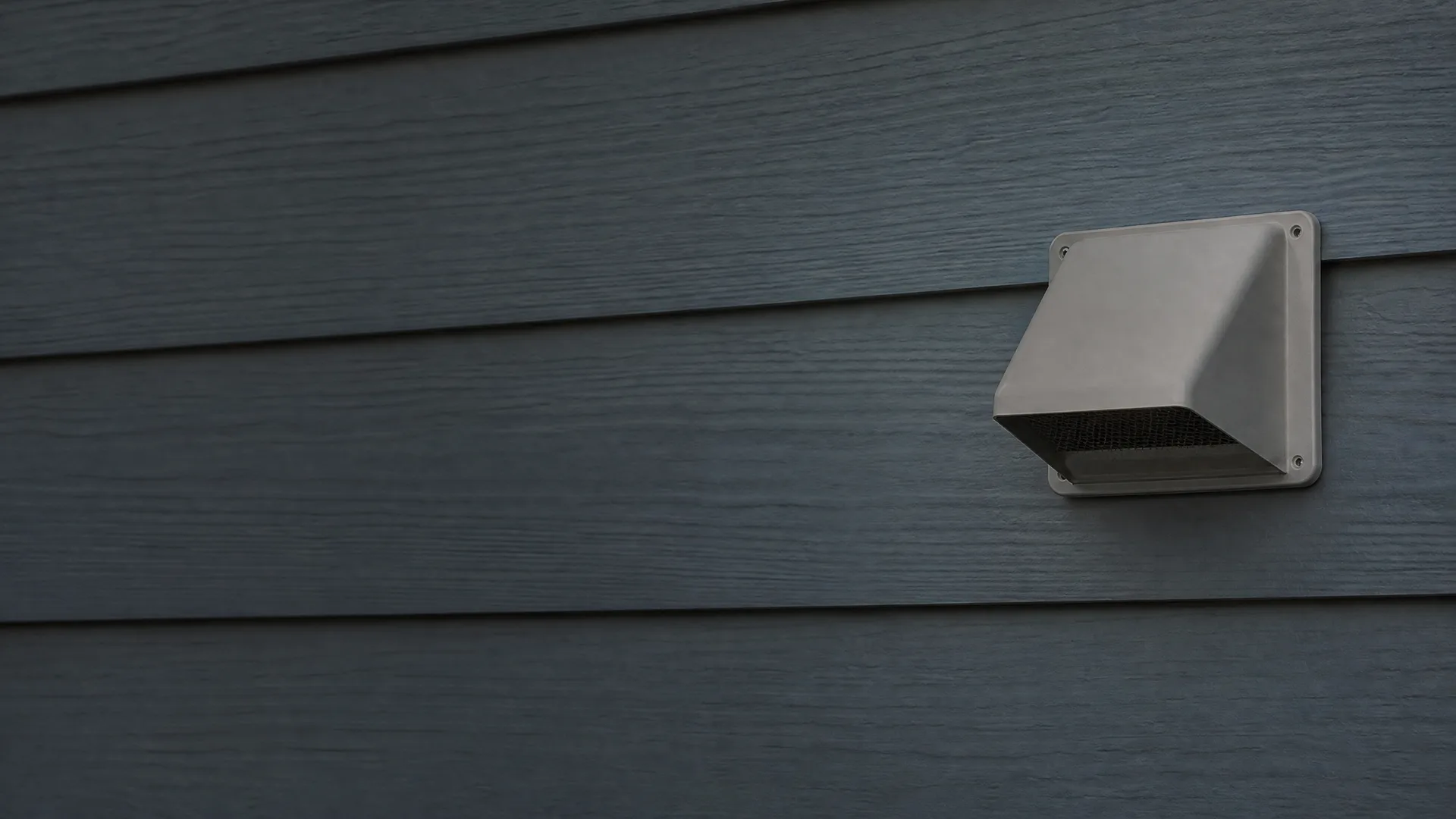
Warm air should push straight out through the hood and lift the flap open while the dryer runs. The screen stays mostly clean because lint is passing through and out, not catching on the edges.
After this form, you can stop searching for a dryer vent pro.
Let a pro reach outYou run the dryer most days, especially with the rain keeping laundry from drying outside, and you have heard that lint buildup can start a fire. It is a fair thing to wonder about, especially if the vent has not been cleaned since you moved in or you have noticed clothes taking longer to dry than they used to.
Lint is the fuel. It builds up inside the vent duct every time you run a load, and it catches fire easily when it sits near the heating element long enough. A clogged vent traps hot, moist air inside the duct instead of pushing it outside, so the dryer runs hotter and longer to get clothes dry. In Ketchikan Gateway Borough, with its damp, mild summers and cold, wet winters, dryers already work harder to pull moisture out of clothes, and that extra runtime adds more lint to the duct faster than in a drier climate. A vent that is not cleaned regularly builds up that risk year after year.

Warm air should push straight out through the hood and lift the flap open while the dryer runs. The screen stays mostly clean because lint is passing through and out, not catching on the edges.

A screen packed with lint like this blocks the airflow the dryer needs to push heat out. That heat and lint stay trapped in the duct instead of venting outside, and that buildup is what a dryer fire needs to start.



It is past seven on a weekday, rain coming down steady outside, and the dryer is still running on the towels you started before dinner. You open the door expecting them dry and they are not, just warm and heavy, so you set the timer again and go back to the dishes. An hour later they are still damp, piled on top of the machine while you wait for a load that should have finished long ago. The room smells faintly hot, like dust warming up rather than clean laundry. You press a hand to the wall near the vent hood and it is warmer than it should be. You add another twenty minutes, not sure yet if it is the machine or something behind it.
A household here usually runs about two or three people's worth of laundry through one dryer, load after load, week after week. That's a lot of lint moving through the same duct. A vent nobody checks catches more of it than a house with one person doing wash now and then.
ACS 2020-2024




You already know the duct is doing more work than it should, and you have the rain to thank for part of that, since fewer loads get a head start drying on a line outside. A dryer that runs long and still leaves towels damp is pushing hot, wet air against a blockage instead of out through the hood. That is the condition that lets lint reach ignition temperature. Checking it yourself means pulling the machine out, taking the hose apart, and getting to a hood that may be sitting flush against wet siding. Finding someone to do it properly means calling around, explaining the same thing more than once, and sorting through quotes before anyone sets a date. Sending the request above hands that part off. One contractor gets it, not five, and from there it is off your list instead of something you are still meaning to get to while the dryer keeps running every day this week.
Lint is paper-thin and catches almost anything that touches it, which is why a vent run with a few bends in it clogs faster than a short straight one.
Every added bend slows the air enough for more lint to settle out before it reaches the hood, so the clog builds fastest at the joints you can't see from either end.


You would be the one tracking down a vent cleaner, checking if they work in Ketchikan Gateway Borough, and explaining the dryer problem again to each one you reach.
You describe the dryer vent once. From there, finding someone who does this work is off your plate, not the cleaning itself.


A clogged dryer vent in Ketchikan is a fire risk, plain and simple. Lint is the fuel, heat that cannot escape is what sets it going, and a packed hood right at the wall is exactly where that heat has nowhere to go. That is the answer, and everything else in this is just how to tell whether your vent is the clear kind or the clogged kind. A clear vent pushes the flap open with warm air and finishes a load in one cycle. A clogged one holds heat, runs long, and leaves towels damp after a second cycle. With two or three people's laundry going through the same duct week after week, lint builds up faster than most people watching their dryer would guess, and checking the lint trap after each load does not tell you what is happening further down the duct or out at the hood. That part takes pulling the machine out and taking the hose apart, which is more than most homeowners do on their own. If your dryer has been running long or leaving things damp, that is worth acting on rather than waiting out. You do not have to spend an afternoon calling cleaners around Ketchikan Gateway Borough and explaining the same problem to each one. Describe it once, and the work of finding someone who can look at your vent is no longer something you have to carry.
Explain the job once and skip repeating it on every call.