Clear vent, clean exhaust
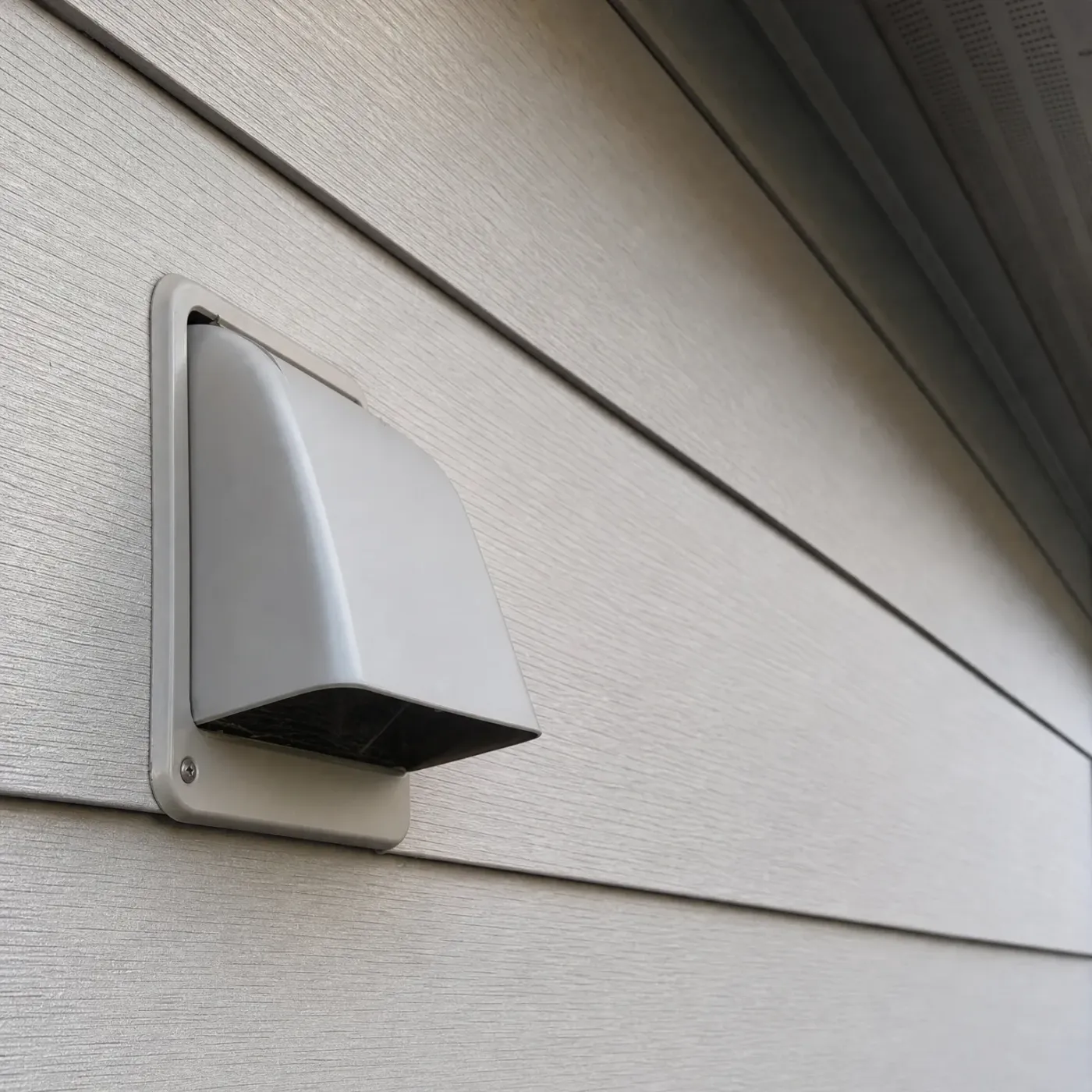
Here the hood flap swings open and lint blows out whenever the dryer runs. Air moves freely from the drum to the outside, so the dryer isn't working harder than it has to and heat isn't building up where it shouldn't.

You run a load of laundry most days and you've noticed the dryer taking longer to finish, or the outside vent flap barely moving when it runs. With power rates what they are up here, you're already watching the utility bill, but the real question on your mind is whether a vent full of lint is something that could actually start a fire in your house, not just cost you money.
Lint is the fuel. It's dry, it burns fast, and it collects along the inside of the vent every time you run a load. When the vent is blocked, heat from the dryer has nowhere to go, so it builds up inside the duct and around the drum instead of venting outside. That heat is what ignites the lint. This holds true no matter the season, but your dry summers here mean the lint sitting in that vent is especially dry too, so it catches easier than lint that's picked up any moisture. A clogged vent also makes the dryer run hotter and longer to dry the same load, which is its own problem when you're already paying some of the highest power rates in the country for every extra cycle.

Here the hood flap swings open and lint blows out whenever the dryer runs. Air moves freely from the drum to the outside, so the dryer isn't working harder than it has to and heat isn't building up where it shouldn't.

Lint has packed the hood and covered the screen behind it. Hot, damp air has nowhere to go, so it backs up into the duct. That trapped heat, sitting against trapped lint, is how a dryer vent fire starts.
Towels come out warm but not dry, so you run the cycle twice. The top of the dryer feels hot to the touch partway through a load. You pull lint off the trap every time and still find more built up around the door seal or the drum edge. The laundry room holds onto a warm, damp smell long after the dryer shuts off. Outside, the vent hood flap stays nearly shut even on high heat. Any one of these by itself might be nothing. Together, they mean hot, moist air isn't leaving your house the way it should, and the lint it's leaving behind is the thing that catches fire.






A dryer doesn't blow air through the duct on its own. The drum tumbles clothes while a heating element warms the air around them, and a blower wheel behind the drum pushes that warm, wet air out through the vent to the hood outside. That blower can only push against so much resistance. Lint builds up in layers along the inside of the duct, usually worst at the bends and at the hood itself, and each layer narrows the path the air has to take. As the opening shrinks, the blower is pushing the same amount of air through a smaller space, so pressure inside the duct climbs. That pressure pushes hot air back toward the heating element and the drum instead of letting it escape. The element cycles on and off to maintain drum temperature, but with nowhere for the heat to go, it runs hotter and longer than it was built to. Lint sitting that close to a heating element, in air that isn't moving the way it should, is how a vent fire starts.
At 26.11 cents a kilowatt-hour, a clogged vent costs you twice. The dryer runs longer to finish each load, and every extra cycle is drawing power at that rate. A clear vent gets clothes dry on the first pass.
EIA-861 2025 statewide residential average
Lint builds up along the inside of the vent duct.
Airflow slows, so the drum traps more heat each cycle.
Heat has nowhere to vent and climbs inside the duct.
Trapped lint ignites from that built-up heat.


Your dryer vent cleaning request goes to one local pro.
You're not committing to anything by asking.
Lint is dry fiber packed loose, so it catches heat fast and burns quick once it starts. A furnace or water heater failing is a repair call. A dryer vent packed with lint sitting next to a heating element is a different kind of problem, because the fuel and the heat source are in the same duct. That's why the national fire code and most dryer manufacturers call for this vent to be cleaned out on its own schedule, separate from swapping the lint trap before every load.
Summer here runs hot and dry for months, and that dryness follows the laundry inside. Dry air pulls moisture out of clothes fast, which means more loads get run back to back during the stretch when the house is warmest anyway. More loads means more lint moving through the duct every week. A vent that might have coasted through a slower season fills up quicker when the dryer's running that often, and it keeps filling until something clears it out.


The slower drying, the hot top panel, the lint still packed around the door after you've cleaned the trap. All of that points to the same thing: airflow that isn't getting out to the hood anymore. That's not a minor annoyance. Lint sitting against a hot element with nowhere for the heat to go is how dryer fires start, and the signs in your own laundry room say the lint is already built up enough to matter.
It's also costing you every time you run a second cycle to finish a load. At what power runs here, that's not nothing, and it stacks on top of the fire risk rather than replacing it as the thing to worry about.
Getting this looked at doesn't mean sorting through bids or fielding calls from three companies all day. One licensed contractor takes the request, and it's someone local who clears vents like yours every season, who knows where lint tends to pack tightest in homes up here and what to check first when a dryer's been running long and hot. That's the kind of job that gets fixed in a single visit once someone's out to see the vent and hood for themselves.
You already caught the signs. The next step is just getting the duct cleared before that heat finds the lint sitting against it.
Only one pro gets your request, so you hear from one company.
It costs nothing to send, and you don't have to hire anyone.