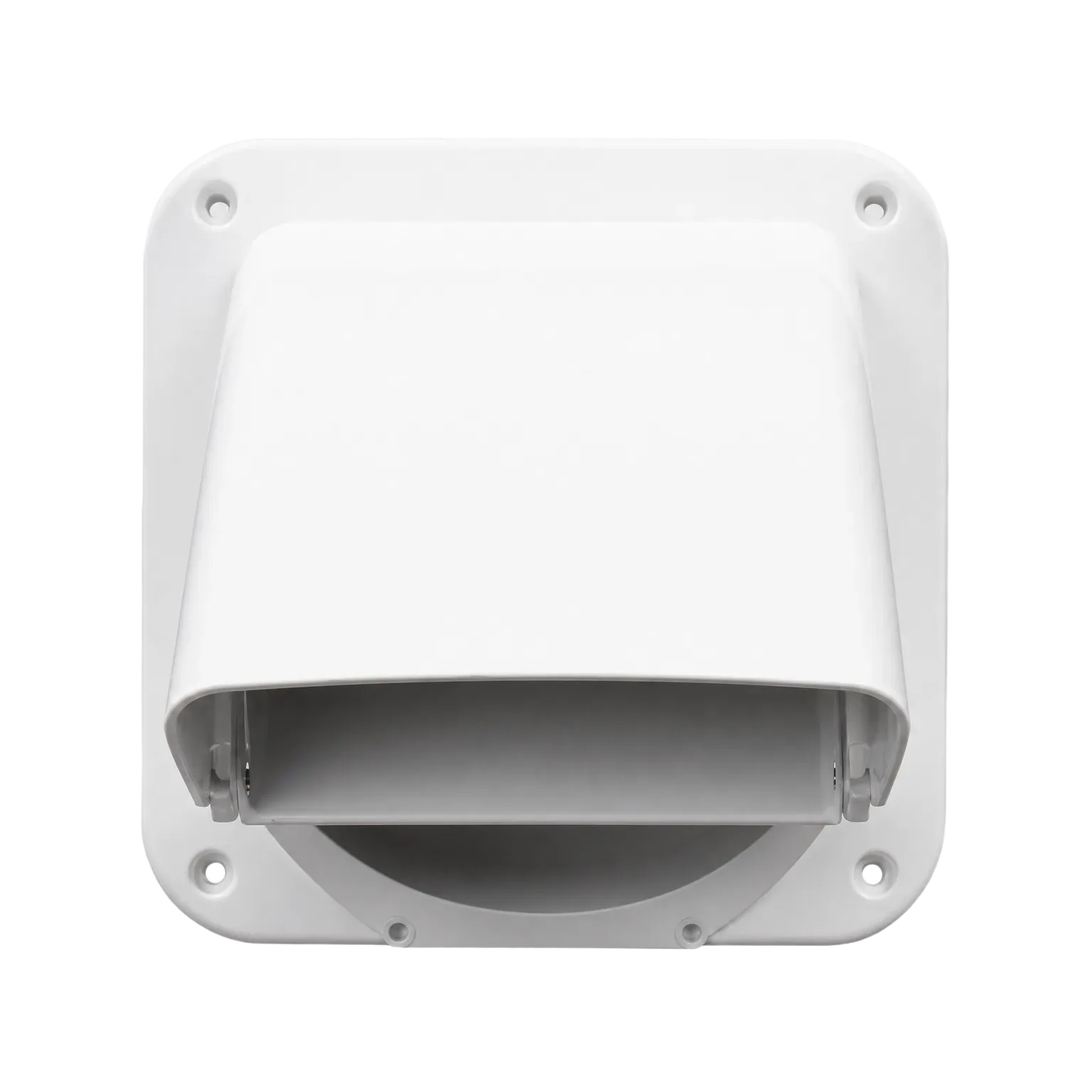

Clear and venting properly
Air moves freely through the duct and out the hood. The flaps open with the airflow and close when the dryer shuts off. A load dries in one cycle, and the hood stays cool enough to touch while the dryer runs.
You run a load of laundry and notice the dryer is taking longer than it used to, or the top of it feels hot to the touch. Maybe you just moved into a house in Anchorage and don't know when the vent was last cleaned. It's a fair thing to wonder about, because a dryer runs a heating element for an hour or more at a stretch, several times a week, all year.
Lint is what catches fire, not the dryer itself. Every load sheds lint, and some of it collects in the vent instead of blowing outside. As the vent narrows, hot air has nowhere to go, so it backs up into the dryer and pushes the heating element to run hotter and longer than it's built for. That buildup is what ignites. This holds the same in Anchorage as anywhere else. Winter doesn't make lint catch fire faster, but a dryer that's struggling to vent will run more often when you're doing heavier loads of cold-weather gear, which means more hours of a hot, clogged system. A vent that empties freely outside is what keeps that from happening.
Lint builds up inside the vent duct every time you dry a load.
Airflow drops, so the dryer runs hotter and longer to dry clothes.
Heat has nowhere to vent and keeps building inside the duct.
Trapped lint ignites against the dryer's heating element or exhaust.
Clothes that come out warm but not dry, even on a full cycle, mean air isn't moving through that vent like it should. Touch the vent hood outside the house while the dryer runs. If you feel little or no air coming out, or the flap barely moves, lint has built up somewhere in the line. You might also notice the laundry room getting warmer than usual, or a burnt-dust smell when the dryer's been running a while. Lint caught in the duct sits right next to a heating element that gets hot enough to ignite it. Left alone, that's how a laundry room fire starts, and it's one of the more common home fires in Anchorage and everywhere else.

Air moves freely through the duct and out the hood. The flaps open with the airflow and close when the dryer shuts off. A load dries in one cycle, and the hood stays cool enough to touch while the dryer runs.

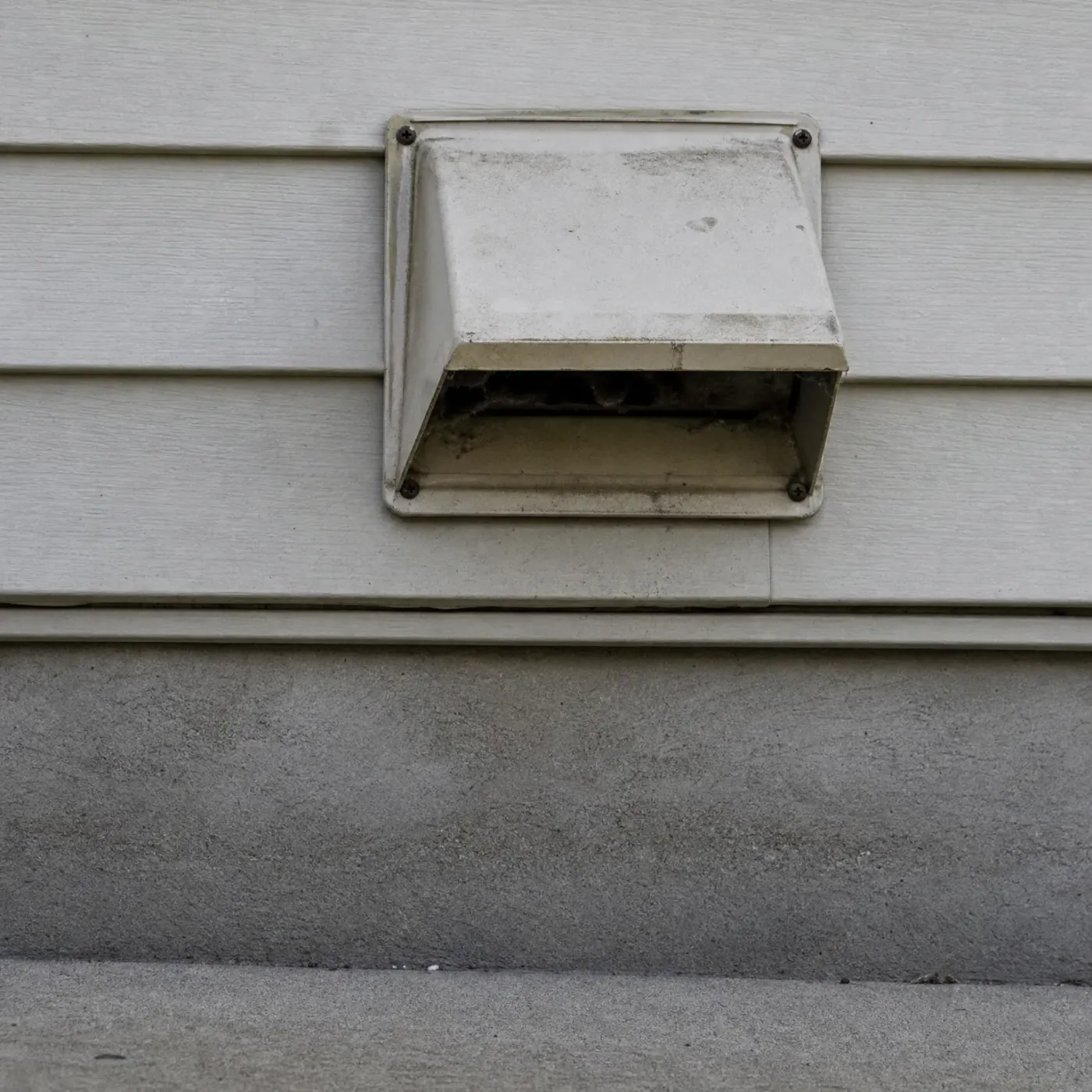
Lint has packed into the louvers until the flaps barely move. Hot, damp air backs up into the duct instead of venting outside. That trapped heat has nowhere to go but back toward the lint and the dryer's heating element.

The lint screen catches most of what comes off a load, but not all of it. What gets past it rides the airflow down the duct and sticks to the inside walls, especially at joints and bends. Over time that layer narrows the passage, and every load after that pushes more lint onto what's already there. A straight, short run clears itself out fairly well on its own. A longer run with turns, the kind that goes up through a wall or across an attic before it reaches outside, holds onto lint at every bend and builds up faster than a lot of homeowners expect.
A dryer fire needs three things together: fuel, heat, and air. Lint is the fuel, and it's about as flammable as material gets. The heating element supplies the heat every single cycle. Normally the airflow carries the heat and the lint straight out through the vent before they can sit together long enough to matter. A clog changes that. Heat stays trapped near the element instead of moving outside, and the lint sitting in the duct is right there with it. That's the combination fire investigators point to in dryer fires, and it's why the vent's job isn't just comfort or drying time. It's keeping those three things apart.


Skip searching for a dryer vent pro and answer a few questions instead.
Your dryer vent cleaning request goes to a local pro who does this work.
Asking costs nothing, and the choice to hire stays yours.

A dryer fighting a blocked vent runs longer on every load. In a city where power already costs more than most of the country, that adds up on a bill you check every month. It also means more wear on the heating element and the motor, parts that aren't cheap to replace on their own.
You likely don't know when this vent was last cleaned, especially if you didn't put the dryer in yourself. Instead of calling around Anchorage to find someone who does this work, get matched with a contractor who takes care of it and reaches out to you directly. One less thing to track down on a house that already asks a lot of you through an Anchorage winter.

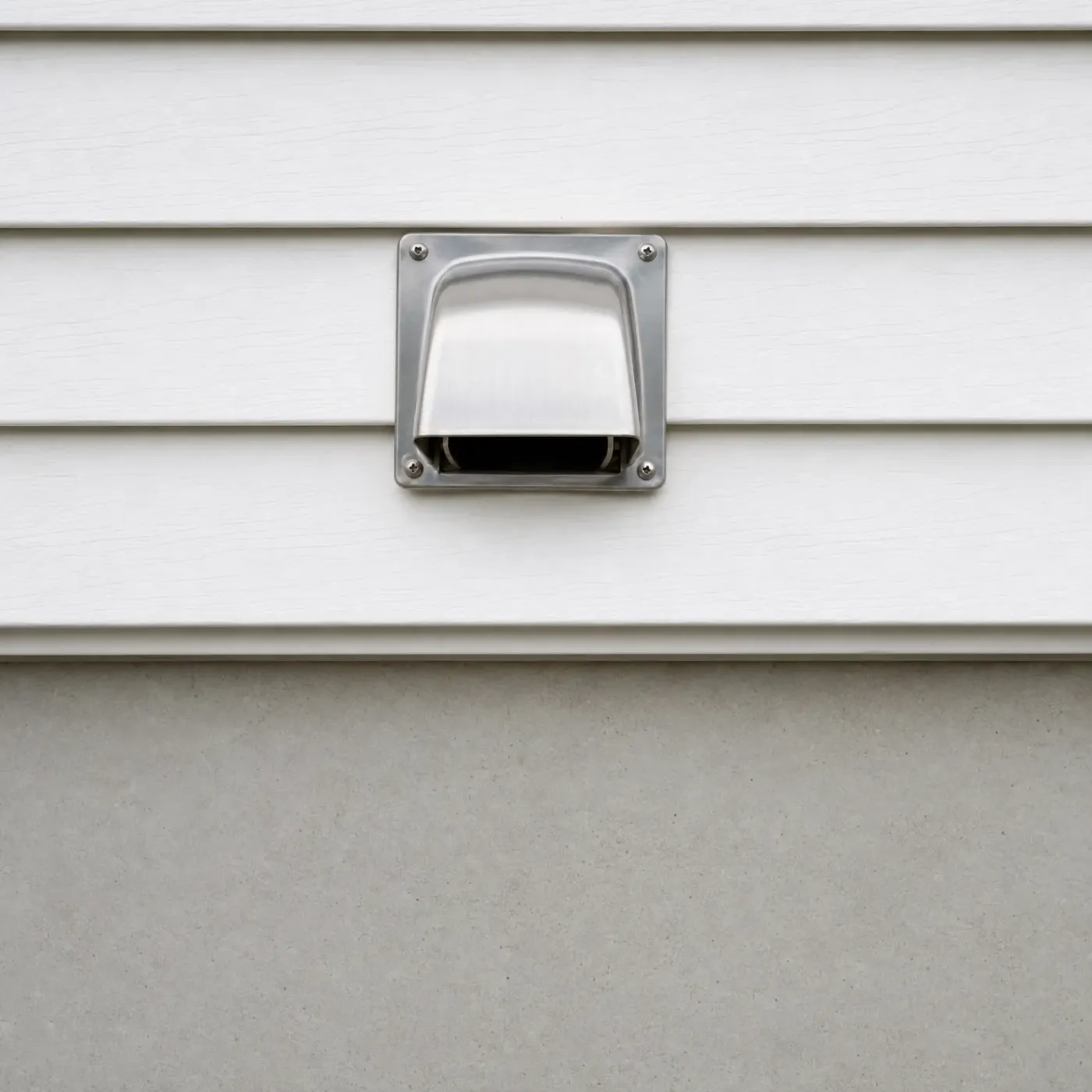
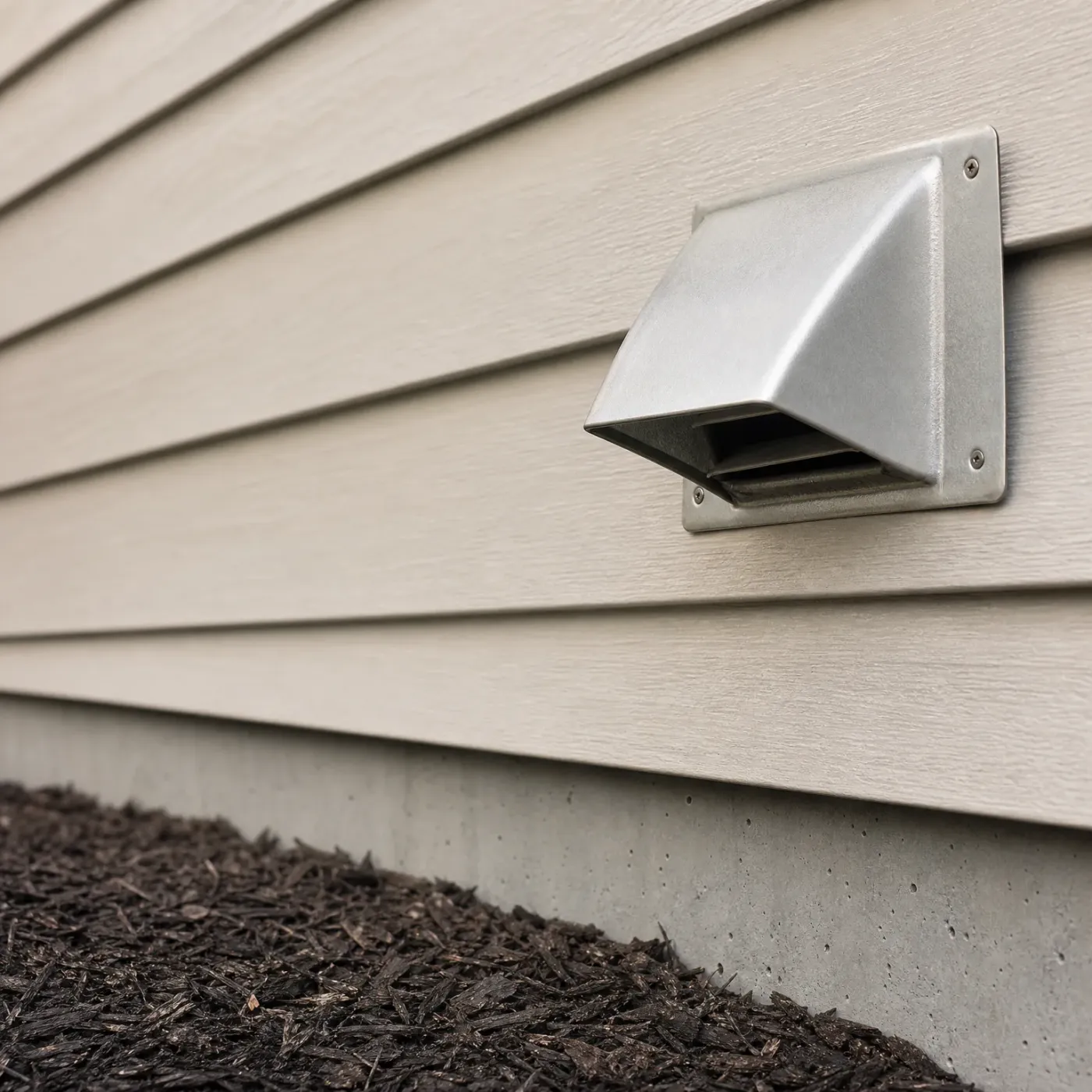
Air pushes the flap open every time the dryer runs, then it falls shut. No lint rings the opening, no buildup on the screws or the siding around it. A clear hood like this means the duct behind it is doing its job the whole way to the dryer.
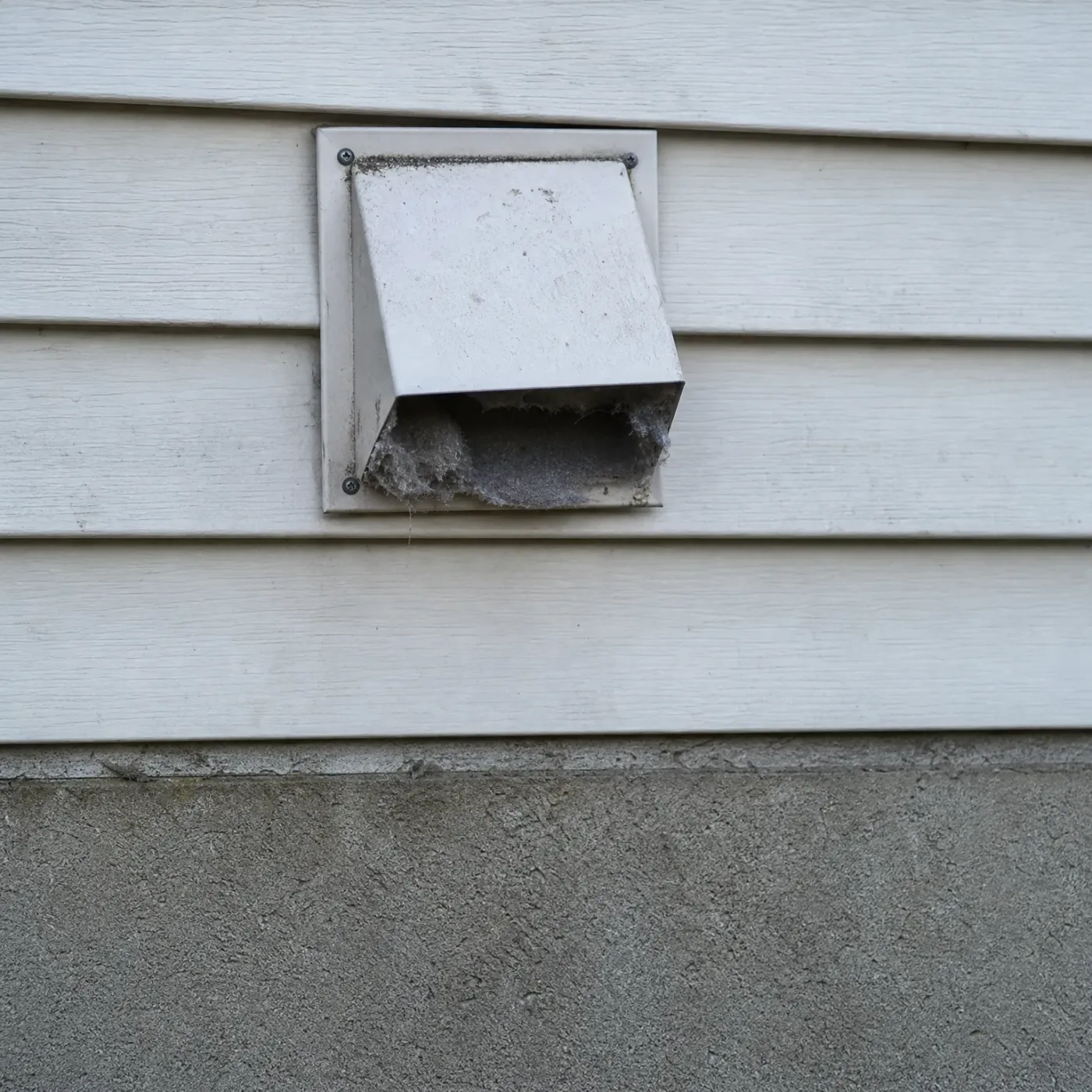
Lint has packed in around the flap until it can't close anymore, and it's probably holding the hood open right now. That buildup didn't happen in one load of laundry. It built up cycle after cycle while the air had less and less room to get out.
More than two and a half people on average fill most houses in Anchorage, which means more loads of laundry moving through that dryer every week. A vent that's already restricted has less room to recover between runs, so the lint builds faster and the fire risk climbs sooner than it would in a house doing wash once in a while.
ACS 2020-2024
Yes. A clogged dryer vent is a fire risk, and the mechanism is simple. Lint restricts the duct, heat builds up with nowhere to go, and that trapped heat sits against a pile of material that catches easily. None of that needs years to happen. It starts building the first time airflow drops below what the dryer needs, and it gets worse with every load after that until something clears it.
You don't need to guess at how far along it is. A dryer that takes two cycles to dry one load, or a top panel that's hot enough to notice, is telling you airflow is already restricted. The vent hood outside is another honest check. If the flap barely moves while the dryer runs, air isn't getting out the way it should.
Anchorage households doing more laundry than the national average means that buildup happens on a shorter timeline here than it might somewhere with fewer loads running through the machine each week. That's not a reason to panic. It's a reason to check the vent rather than assume it's fine because the dryer still runs.
A duct that's clear does the opposite of all this. Air moves, heat leaves with it, and there's no lint sitting against a heat source waiting for the wrong moment. That's the difference a clean vent makes.




Matched to your dryer vent job
One form replaces the calls you'd make to find a dryer vent pro.
