
120 minutes or more to dry a load
In Juneau's damp air, a clear vent still gets clothes dry in one cycle. If yours takes two or three, the duct is likely restricted.
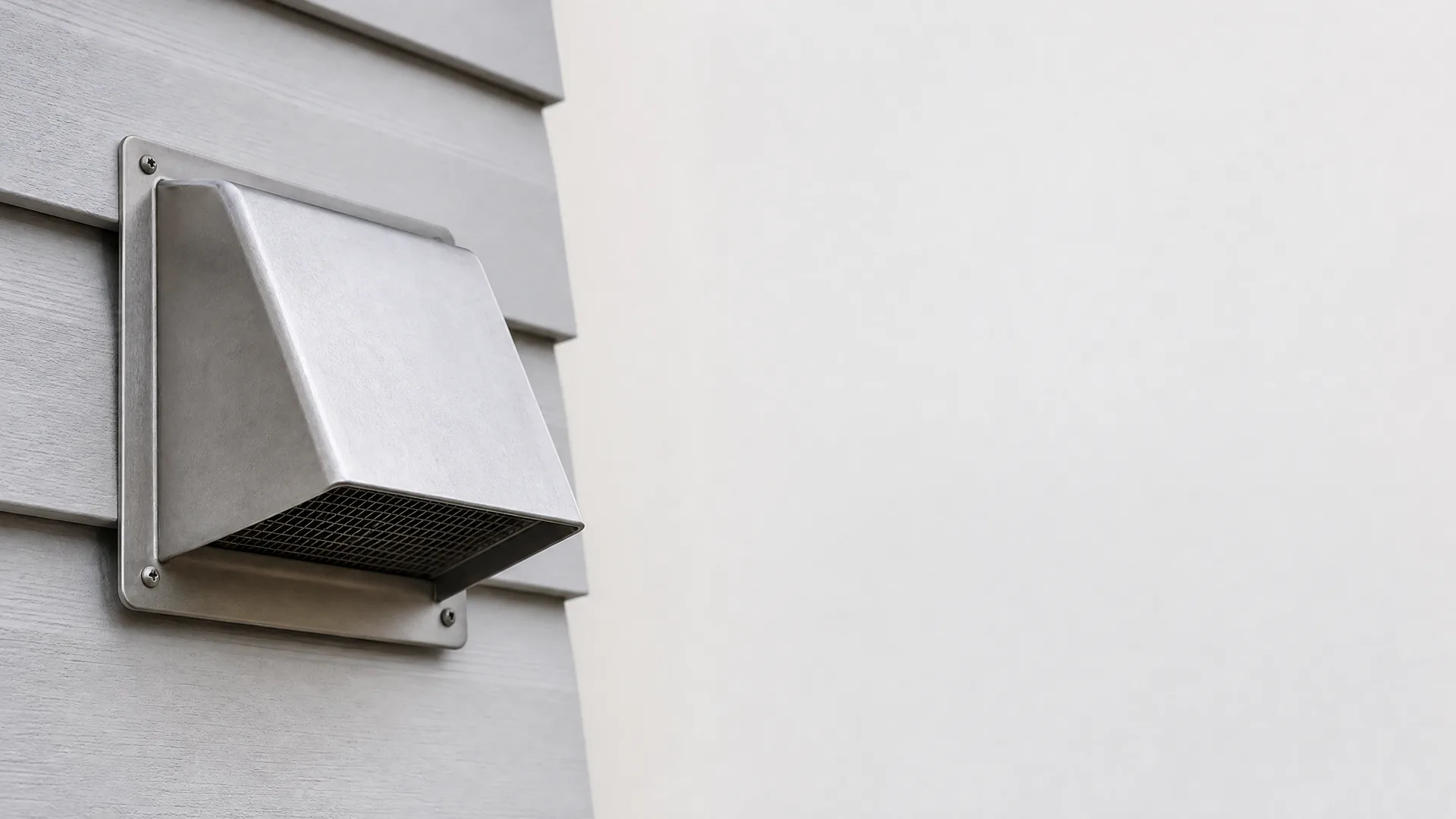
A clogged dryer vent shows up first as clothes that take two or three cycles to dry when one used to do it. You'll notice the top of the dryer getting hot to the touch, or a burnt smell when it runs. Check the outside vent hood while a load is drying: if the flap barely moves or no air is pushing out, lint has built up somewhere in the line between the dryer and the wall. Rooms near the dryer may feel warmer and more humid than they should, since the moisture that's supposed to vent outside is backing up into the house instead. In Juneau, with laundry drying indoors more of the year, a blocked vent adds that moisture to air that's already damp, which gives mold more to work with. A dryer that's running longer and hotter than it should is also a fire risk, since lint is what catches. If you're seeing any of this, the vent line needs to be checked and cleared before it runs again.


Lint does not clog a vent evenly. It gathers where the duct changes direction, so a run with a couple of bends behind the dryer fills in faster than one that goes straight out to the wall. The material matters too. Rigid metal duct gives lint less to grab onto, but the ridged foil or plastic duct still found behind some older dryers catches a little more at every ridge, and that adds up over a season. Outside, the hood has a flapper that should open wide while the dryer runs and close flat once it stops. If it only opens partway, there is likely lint sitting just behind it. Left alone, that lint does not stay dry. Moisture from each load works into it and packs it down tighter than loose lint would sit on its own. Once airflow drops enough, the dryer's thermal fuse does its job and shuts the cycle down, which is why some dryers start, run a few minutes, and stop on their own.


In Juneau's damp air, a clear vent still gets clothes dry in one cycle. If yours takes two or three, the duct is likely restricted.
A clogged vent has nowhere to send the moisture the dryer pulls out, so it leaks back into the room instead of outside.
Walk into the laundry room partway through a cycle. If it feels warmer than the rest of the house, or the air feels damp instead of dry, the vent isn't moving air the way it should. You might see a fine layer of lint on the floor behind the dryer, or notice the dryer running longer and louder than it used to. Some households catch a faint burnt smell, especially on a long load. Left alone, the lint packed into the duct is fuel sitting next to a heat source, and it's the leading cause of house fires tied to dryers. It also means the moisture from every load has nowhere to go but back into your home.




A licensed pro who works in Juneau gets your request.
No fee to send it, and nothing to sign.
Some homeowners prop the dryer door or leave the laundry room door open, thinking it helps the moisture escape faster. It doesn't fix a clogged vent, it just spreads the heat and damp air into the rest of the house. You'll still get the long dry times and the hot-to-the-touch dryer top. The air has to leave through the vent hood outside, not through the house, or the clothes stay damp no matter how long the cycle runs.

Once the duct is clear, a load should dry in a single cycle again, the way it did when the vent was new. The laundry room stays close to room temperature instead of turning into a sauna halfway through. The outside hood flapper will swing open wide and snap shut clean when the dryer stops. A contractor who works on vents through Juneau's wet winters and dry summers can tell you if yours needs clearing now or can wait.
With 2.36 people in the average Juneau household, most homes are running several loads a week. A vent that's already slow to clear lint has less time between cycles to cool and dry out, so a growing clog shows up sooner than it would in a house doing one load a weekend.
ACS 2020-2024
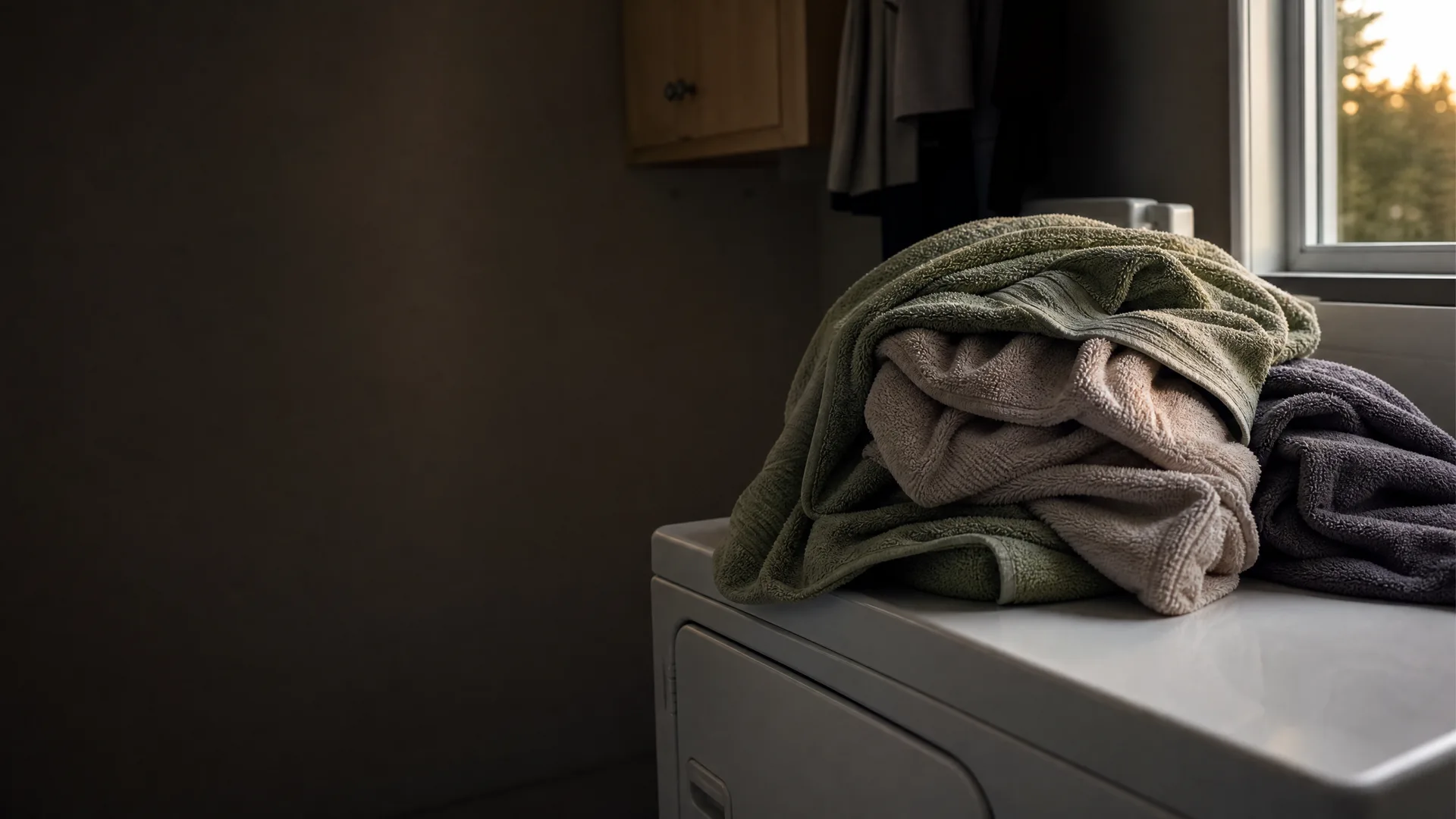
It's past seven on a weeknight and you've already run this load twice. Outside it's the kind of steady Juneau rain that keeps everything feeling damp no matter what, and the laundry room is worse, warm and heavy with air that isn't going anywhere. You pull the towels out and they're still cool and wet at the fold. You set them on top of the dryer in a pile while you check the lint trap again, already emptied. The window over the machine has fogged up from the inside. You're due somewhere in twenty minutes and the towels aren't close.

That's the sign to act on. Hot metal on top of the dryer, a weak flapper outside, a laundry room that stays warm and damp through the cycle: all of it points to the same cause. The fix is clearing the duct so air can move through it the way it was built to.
A local contractor who cleans vents in Juneau homes through all this rain and damp knows which bends in a duct clog first and how a system here differs from one in a dry climate. When you request service, you're matched with one contractor suited to your situation, not a handful competing for your call. They'll reach out and take it from there.


Find a dryer vent cleaning pro in Juneau




