


Vent clear
Air moves out fast enough to flutter the louvers on the hood. A load finishes on one cycle, the air coming out feels hot, and the outside cap stays clean except for a light film of dust around the screws.
After this form, you can stop searching for a dryer vent pro.
Hand it overA load that used to take forty minutes now runs through two cycles and still comes out damp. You've checked the lint trap and it's clean, so the problem isn't obvious. Before you call anyone, it helps to know what's actually slowing the dryer down and whether it's something that gets worse the longer it goes unfixed.
Every dryer pushes hot, damp air out through a vent to the outside. Lint builds up along the way, in the duct, at the hood where it meets the outside wall, and in the elbows if the run bends. Once that path narrows, the air has nowhere to go, so the moisture stays in the drum and clothes take two or three cycles instead of one. It also means the dryer runs hotter and longer than it should, every single load, which shows up on the power bill given how much electricity costs in Anchorage. A duct that was clear last year can still be the problem now. Lint keeps collecting whether the dryer gets used daily or just on weekends.

A dryer pushes hot, wet air out through the vent hose to the outside hood. When lint builds up along the way, that air has nowhere to go. The drum keeps turning and the heating element keeps firing, but the moisture just sits in the clothes. That's why a load runs for an hour instead of forty minutes. The dryer isn't broken. It's working against a pipe that's partly closed off, and no setting on the control panel fixes that.

Anchorage winters push cold, dense air against the outside vent hood, and a flap that's meant to swing open under light lint can start sticking shut under frost and buildup. A vent that moved enough air in July to dry a load in forty minutes can fall short by January with the same amount of lint sitting in it. If drying times have stretched out since fall, the vent is worth checking before anything else on the dryer.
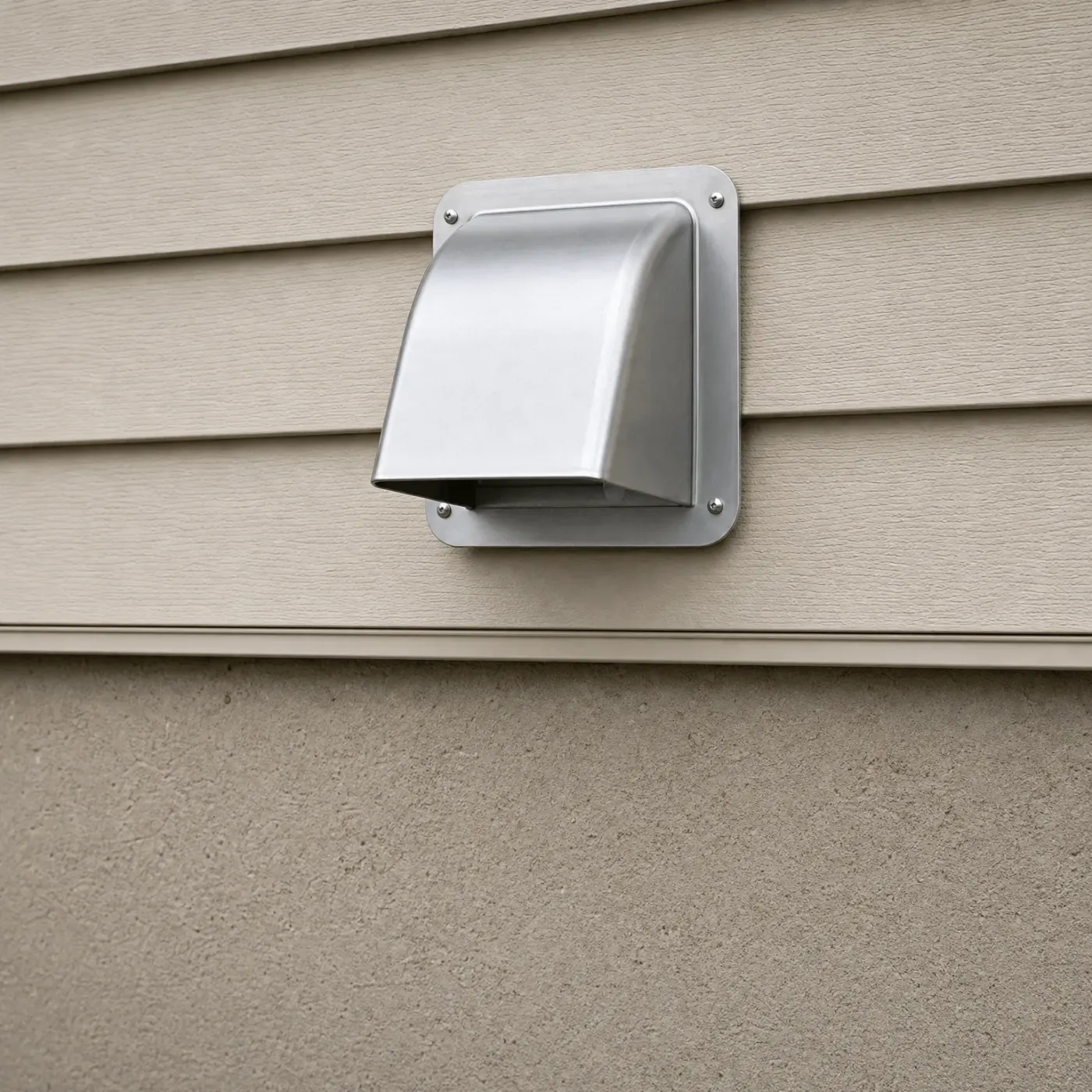
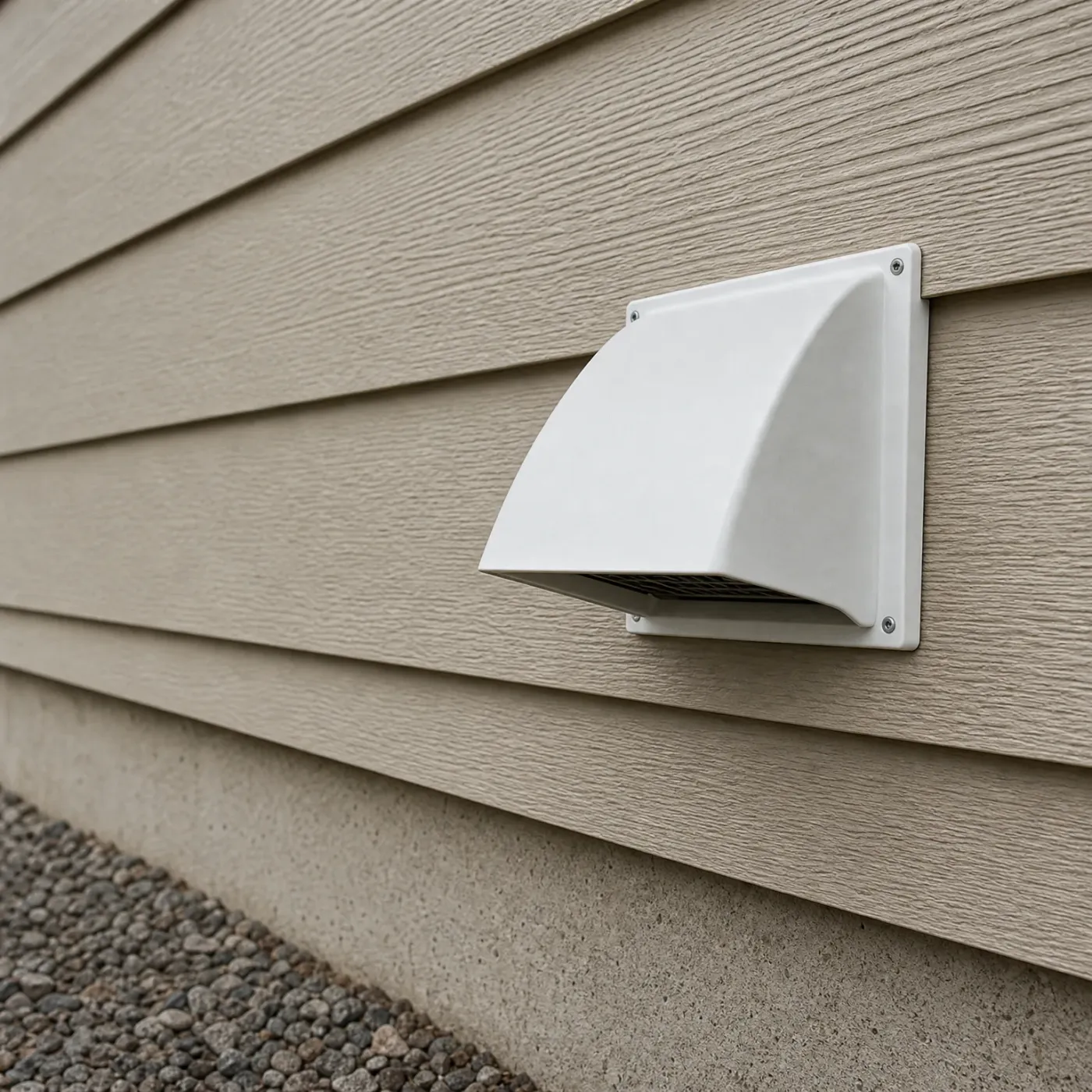
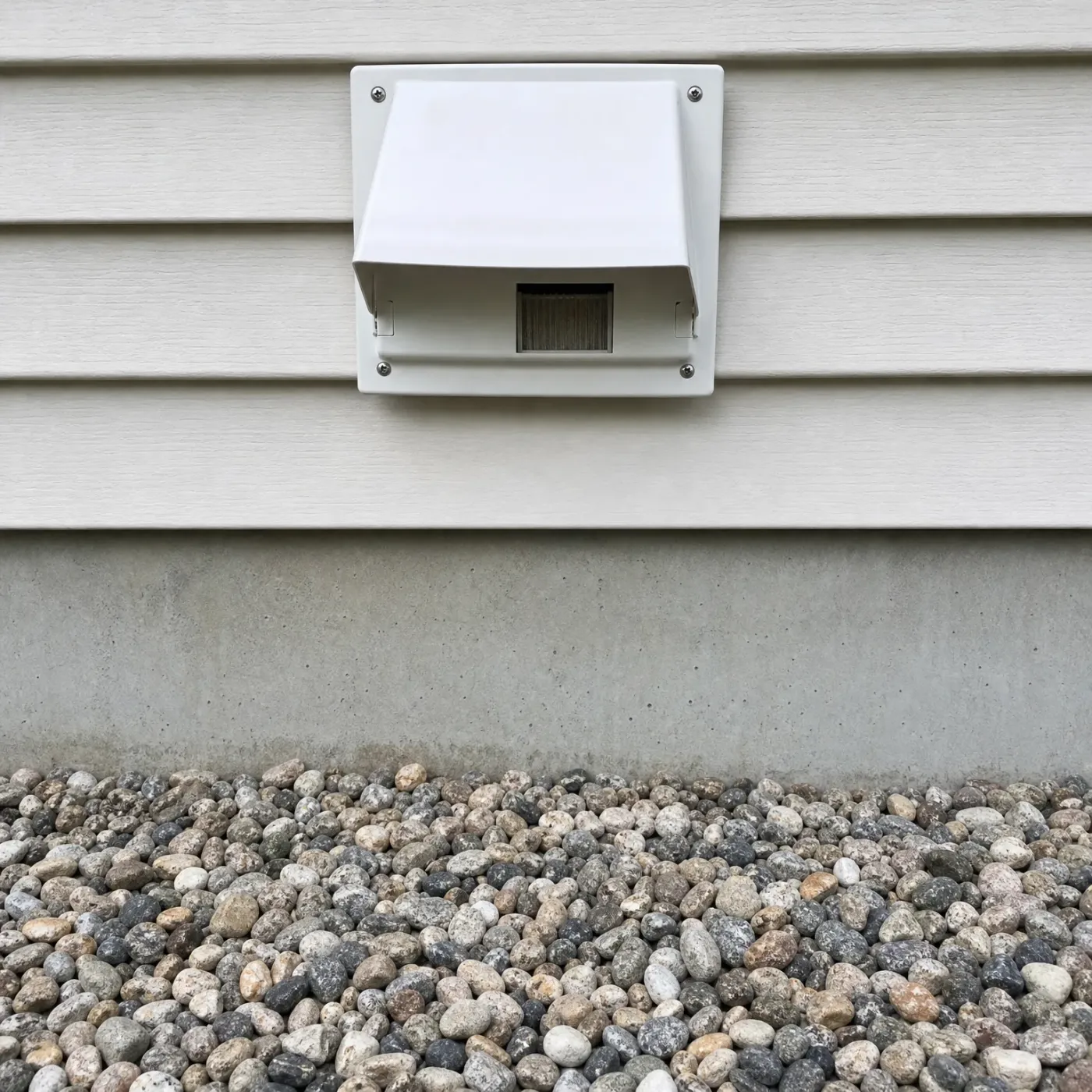
Air moves out fast enough to flutter the louvers on the hood. A load finishes on one cycle, the air coming out feels hot, and the outside cap stays clean except for a light film of dust around the screws.

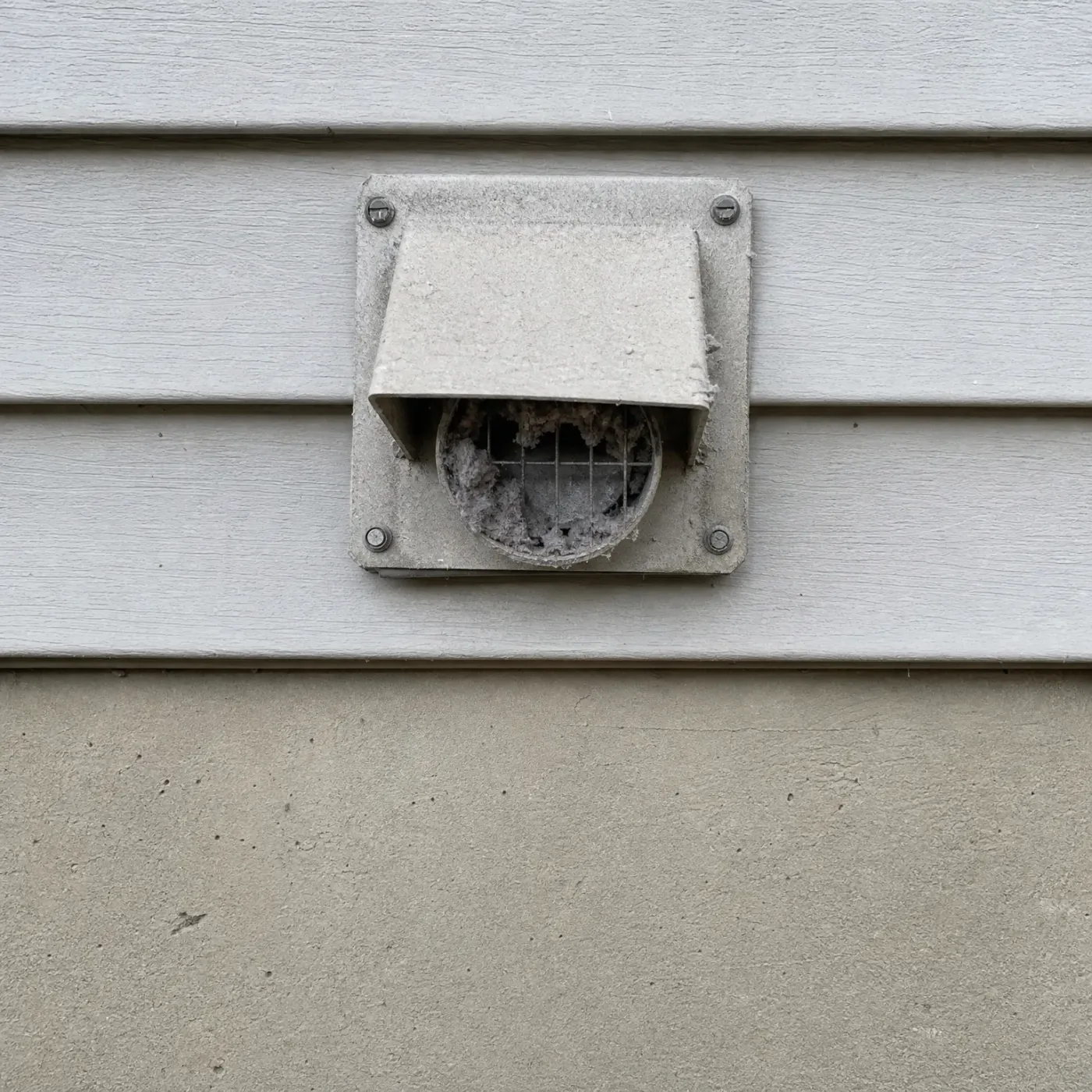
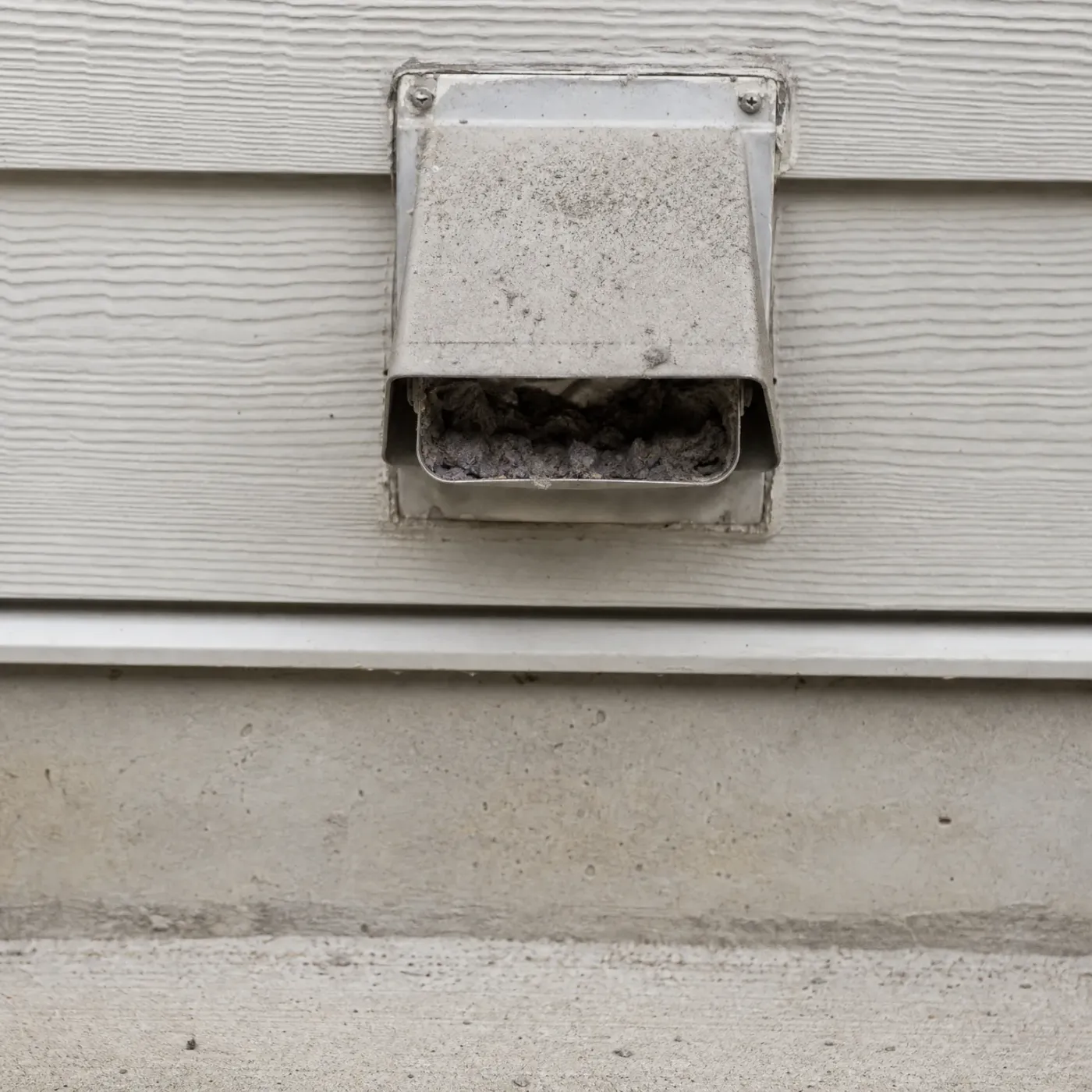
Lint has packed the opening until the louvers can't swing open all the way. The air coming out feels warm instead of hot, and the siding around the hood has picked up a gray buildup from months of exhaust that couldn't fully escape.
Skip searching for someone who cleans dryer vents in Anchorage.
Send the form and finding a dryer vent cleaner is handled.
No fee to send it, and nothing to sign.
A dryer doesn't know its vent is clogged. It only knows what its sensors tell it. The cycling thermostat watches the air temperature near the heating element and switches it off and on to keep that air from getting too hot. When lint has packed the hose, hot air can't leave fast enough, so the thermostat cycles the element more often, chasing a temperature that keeps climbing anyway. The timer, meanwhile, is still counting toward a dry cycle based on normal airflow, not whatever's actually happening inside a blocked line. None of this gets your clothes drier. It just runs the machine longer and hotter for the same result. If the heat keeps building past what the thermostat can manage, the thermal fuse is the backup, and it trips to shut the dryer down rather than let it keep overheating. At that point you're not dealing with a long cycle anymore. You're dealing with a dryer that won't start at all.




Hot, damp air leaves the drum through the exhaust duct.
Air travels the vent hose toward the outside hood.
Lint lining the hose slows that air down.
Moist air lingers in the drum instead of leaving.
With 2.59 people per household here on average, most Anchorage homes are running a load most days, not once a week. A dryer vent used that often builds up lint faster, so if drying time has crept up, the vent is due for a look.
ACS 2020-2024


A dryer that needs two cycles to do one load's work is telling you the vent is blocked, not that the machine is wearing out. Clear the lint from the hose to the hood and the hot air has somewhere to go again, the drum stops fighting a backed-up duct, and a load goes back to finishing in one run. You could spend an afternoon searching for someone who does this work in Anchorage, calling a few, explaining the same thing about long dry times and a clean lint trap over and over, then sitting with quotes trying to tell which one actually knows vents. Send the form instead and that part is off your plate. You still get the vent cleaned and the airflow checked at the hood, but you're not the one tracking down who can do it.

Done looking for a dryer vent pro