

Vent hood clear
The flap sits flush against the hood and closes on its own when the dryer's off. Air pushes it open only when the dryer runs. Nothing blocks the opening, so lint and moisture clear the house the way they're supposed to.
Get matched with someone who does this kind of work in Matanuska-Susitna Borough.
Match me with a proThat flapping or chirping sound in your dryer vent is probably a bird. Small birds look for a tight, sheltered spot to build a nest, and a vent hood sticking out of your siding is an easy target, especially in spring when they're nesting and the vent sits unused for a day or two. Once nesting material packs into the duct, your dryer has to push air through a space that's partly or fully blocked. Clothes take longer to dry, the dryer runs hotter than it should, and lint has nowhere to go but back into the duct. That's a fire risk, not just a nuisance. If you hear noise, smell burning, or notice the vent hood flap isn't closing all the way, the nest and the lint built up around it need to come out of the duct before you run the dryer again.




You might hear scratching or chirping coming from behind the dryer, or notice bits of grass and twigs scattered near the vent hood outside. The flap on the hood may hang open or not sit flush anymore. Your dryer might still run but take longer to dry a load, or the air coming out of the hood feels weaker than usual when you check it. Lint builds up fast once a nest blocks part of the vent, and that lint is what a dryer fire needs. A blocked vent also pushes moist air back toward the dryer instead of outside, which isn't where it belongs in a house built for Alaska winters.
The flap sits flush against the hood and closes on its own when the dryer's off. Air pushes it open only when the dryer runs. Nothing blocks the opening, so lint and moisture clear the house the way they're supposed to.

Lint has built up around the louver until it's pushing out past the cover. A nest takes up the rest of the space air needs to escape. The dryer runs longer to dry the same load, and the stuck-open flap gives birds easy access again next spring.
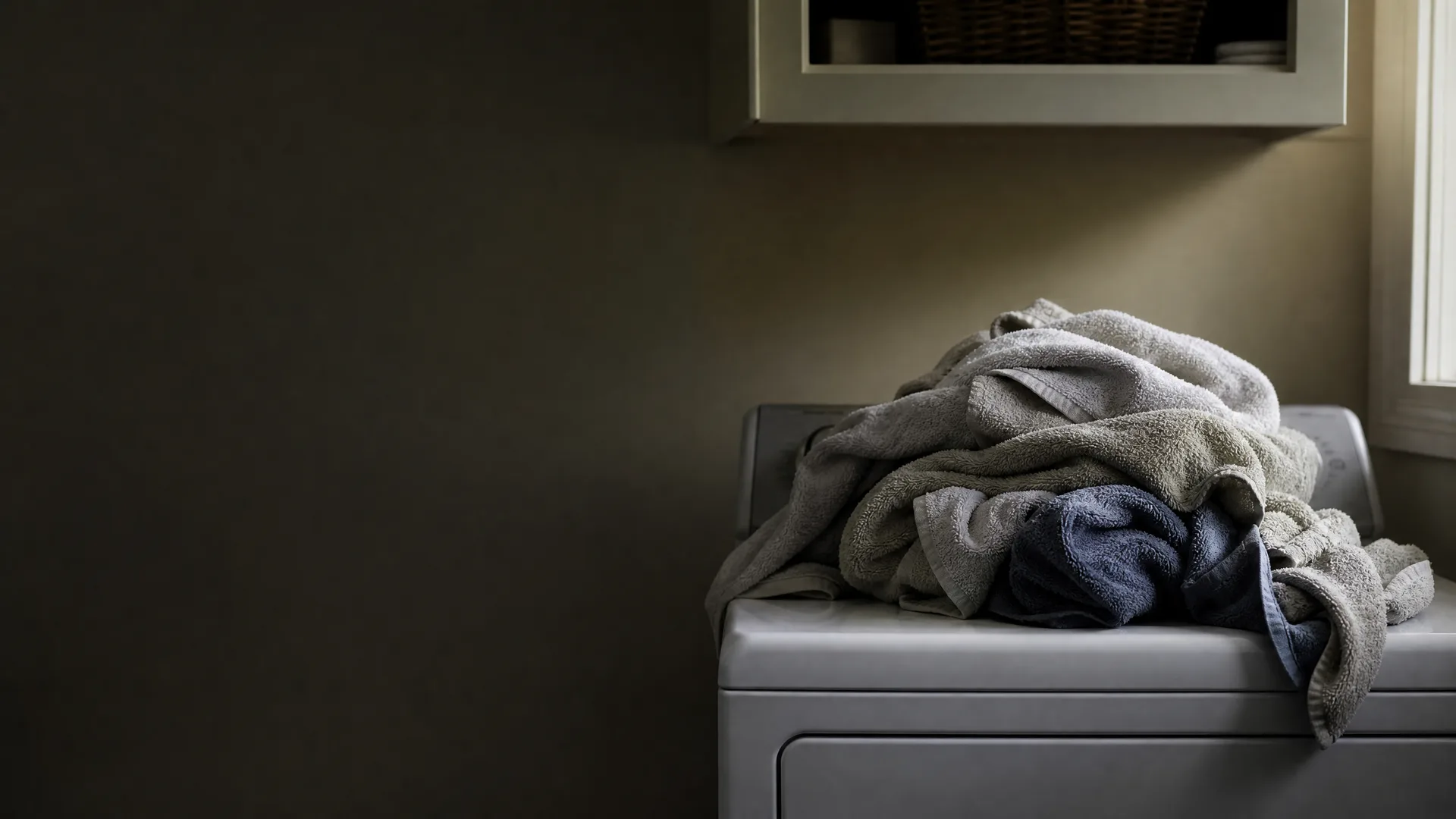
It's past seven on a weekday evening and you've run the dryer twice already. The towels are still damp, heavier than they should be, and you've pulled them out to drape over the lid while you figure out what's wrong. The room's warmer than usual, and there's that smell of hot dust that wasn't there last week. Outside, the vent hood has been quiet all spring except for that one rustling sound you noticed Tuesday. You stand there weighing it: run a third cycle, or call someone who deals with Mat-Su vents every spring and already knows what's sitting inside yours.
The pro who gets in touch is licensed in Alaska and works in Matanuska-Susitna Borough.
It costs nothing to send, and you don't have to hire anyone.
The flap on your vent hood is spring-loaded for a reason. It's supposed to sit closed until the dryer forces air against it, then swing shut again once the cycle ends. A bird looks for exactly the spot where that flap doesn't close all the way, or where it's been knocked loose and stays propped open. Once a bird settles on it, the nest doesn't show up all at once. It's built over repeat trips, a beakful of grass or twigs at a time, so the vent you checked a few days ago can be packed solid now.
Behind that hood is usually a straight or gently bent metal duct running back through the wall. A nest wedged even a few inches into that pipe is enough to block the whole channel, since there's no room in a duct that size for air to route around it. With the path blocked, the dryer has nowhere to push the hot, damp air it's generating, and the internal thermostat that's supposed to regulate heat starts tripping more often. That's often why a dryer goes from running long to stopping mid-cycle instead of finishing the load at all.
Pulling the visible nest material out of the hood from outside is a start, but it doesn't tell you what's sitting further back toward the wall. And if the flap itself is bent, cracked, or missing, the opening stays exposed, which means the next bird that comes along has just as easy a shot at it as the last one did.
With close to three people in the average Mat-Su household, that dryer is likely running most days of the week, often with towels or kids' clothes piled up. A vent a bird has claimed can't keep up with that kind of load.
ACS 2020-2024

The hood sits flush against the siding and the flap closes all the way when the dryer's off. Four screws hold it tight to the wall. Nothing pokes out, nothing rattles, and the flap only lifts when the dryer's actually running.

Gray lint packs around the flap and props it open even with the dryer off. It builds up fast once a bird starts making trips to the spot. A hood that looked fine last month can end up like this by spring.

If you're hearing that flapping or chirping, a bird built where your dryer vents outside, and the fix is getting the nest out and the duct clear so lint and damp air move again. That's it. Nothing about your dryer itself is broken.
A local contractor who works on vents through a Mat-Su spring knows where birds pack the nest, what it takes to clear the duct without pushing debris further in, and whether a guard on the hood will keep the next one out. Once you request a match, one contractor who covers Wasilla and the area around it reaches out directly, so you're dealing with a single call back and not a run of competing bids.



Find a dryer vent cleaning pro in Matanuska-Susitna Borough
A licensed pro who works in Matanuska-Susitna Borough gets your request.

