
Dryer Vent Cleaning in Hoonah, AK
Tell us about your home, and a licensed contractor who covers Hoonah-Angoon Census Area will get in touch.
Tell us about the job
It takes about a minute.

Cold air in the vent turns lint into a wall
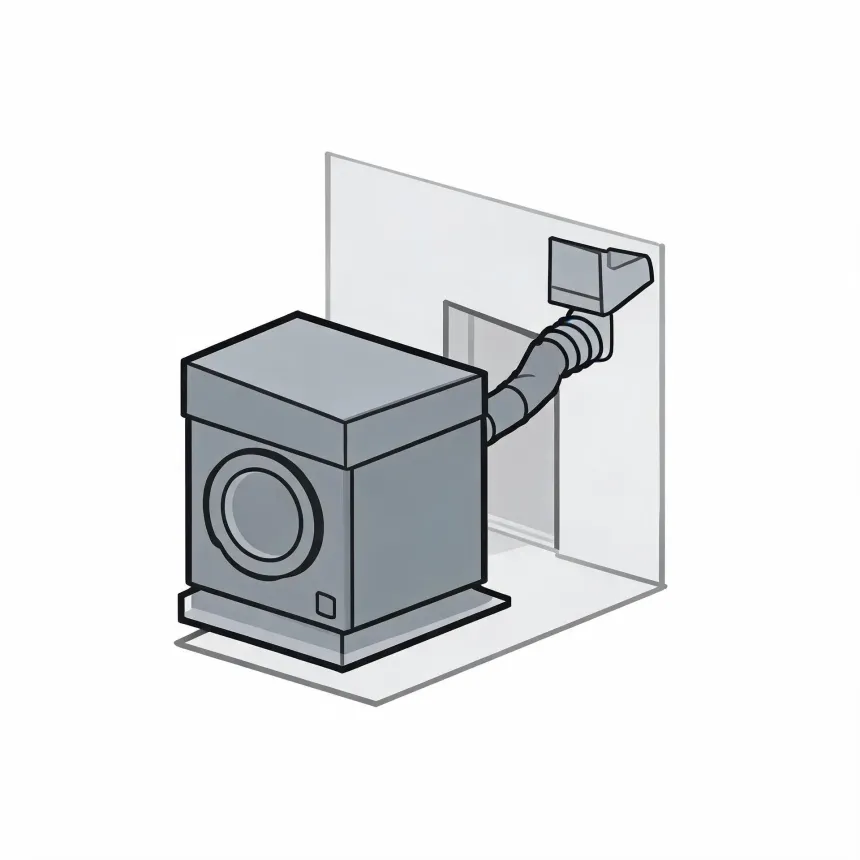
Your dryer pushes out warm, wet air every load. Once that air hits the vent running through a cold wall or attic, it cools fast, and the moisture in it has nowhere to go but the vent walls. Lint rides along in that damp air and sticks instead of blowing clear out the hood.
With winter nights averaging 27°F here, that cooling happens fast and it happens most of the year, since the heat runs twelve months a year in Hoonah. A vent that's narrowing with stuck lint pushes moist air back into the house instead of outside, and a duct packed tight enough can keep the dryer from venting at all.
NOAA 1991–2020 monthly normals
- How often should a dryer vent be cleaned?
- Once a year for most households. If you run the dryer more than a few loads a week, or the vent run is long with a lot of turns, check it more often than that. A vent that stays clear lets the dryer push hot air outside instead of back into the drum, which is what keeps drying times short and keeps the dryer from overworking.
- Can I clean my dryer vent myself?
- You can clean the lint trap and the first few feet of duct behind the dryer yourself, and you should do that often. A full cleaning reaches all the way to the outside vent hood, which usually means disconnecting ductwork or getting on the roof or exterior wall, and that part is safer left to a contractor with the right brushes and a vacuum built for the job. If your vent run is long or has several bends, lint can pack in spots a household vacuum and a store-bought brush kit will never reach.
- What are the signs of a clogged dryer vent?
- Clothes that take longer than they used to, or that come out hot but still damp, are the first sign. Others are the dryer itself running hotter than normal, a burnt smell during the cycle, little to no lint in the trap even after a full load, and weak or no airflow when you hold your hand near the outside vent hood while the dryer runs. Any of these on their own is worth checking. If you notice more than one at a time, have the vent looked at soon, since a blocked vent forces the dryer to work harder and run hotter than it was built to.