
Furnace Repair in Hoonah, AK
If your furnace quits, tell us what it's doing and a licensed contractor who covers Hoonah-Angoon Census Area will get in touch.
Tell us about the job
It takes about a minute.
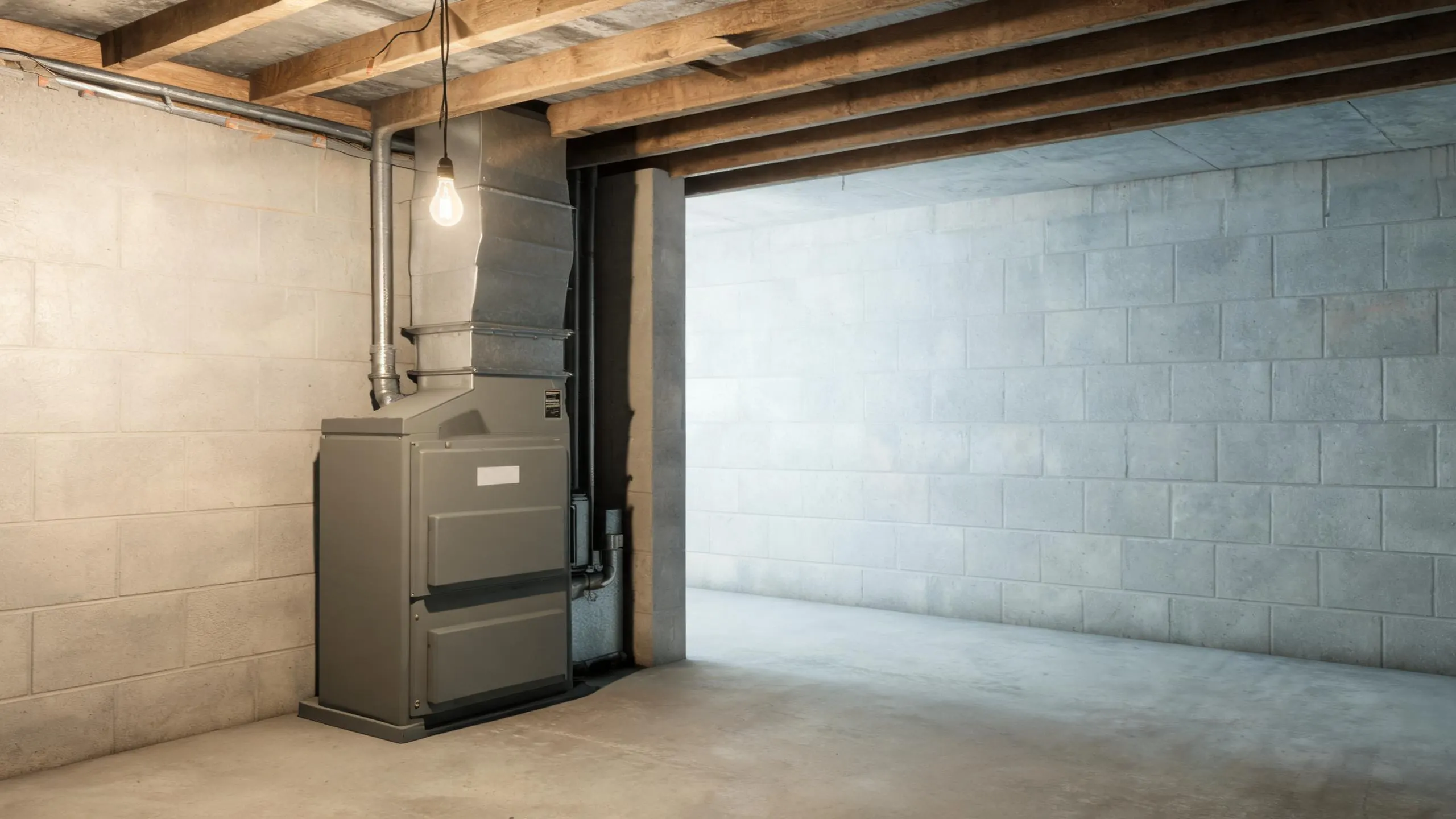
Your furnace never really gets a break here
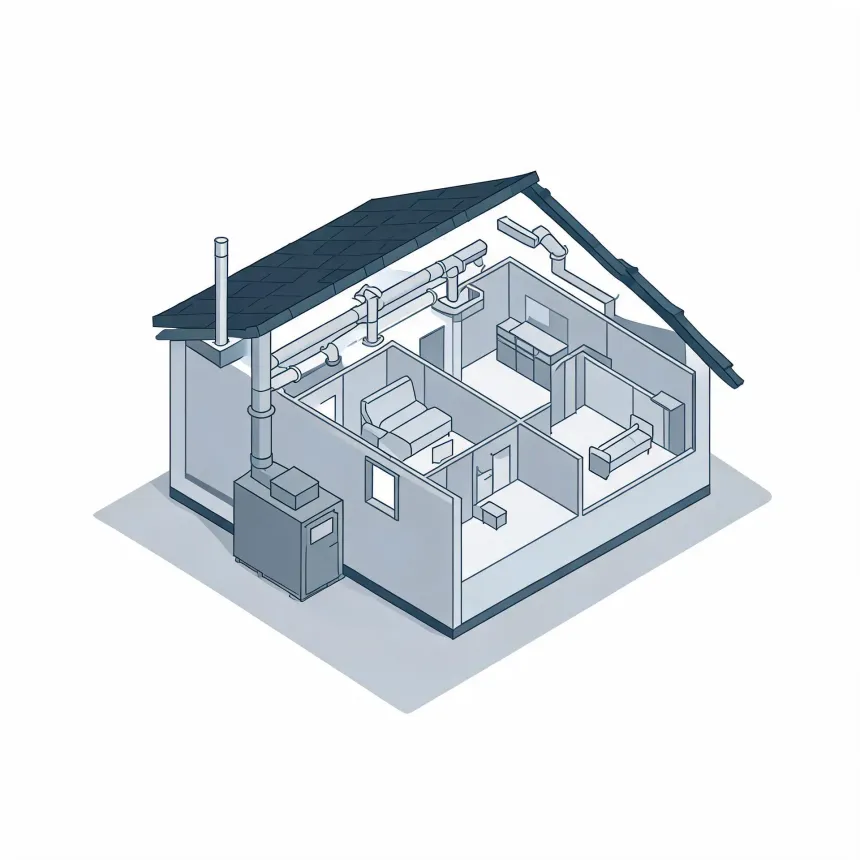
In Hoonah, heat is not a seasonal job. Homes need it all 12 months, and on winter nights averaging 27°F the furnace is cycling on and off for hours at a stretch. Most homes here run on fuel oil, about 70.6 percent, so the burner and its igniter are doing that work night after night with no long summer rest to recover from it.
The other strain comes from the power itself. Alaska saw 21% of households lose power for 24 hours or more in 2024, and this area has logged 29 winter storms and 2 damaging wind events over the last ten years. A furnace that loses power mid-cycle and comes back on rough, or won't restart at all, is often telling you the igniter or the control board took the hit.
- 27°F
- the average winter night it heats against
- 29 winter storms
- in ten years, the nights a failure hurts most
NOAA 1991–2020 monthly normals
Alaska requires contractors to register with the state.
That registration puts the business on file with the state and nothing more. Nobody tested this contractor on furnace repair to get that number, and Alaska does not track whether the gas connections or the wiring on the job were done right. It tells you the business exists on paper, not that the work will be sound.
A furnace repair often means handling a gas line, and that connection is the part of the job that can hurt someone if it is wrong. Alaska's registration does not cover that. It is a record that the business is on file, not a check on how the work was done.
Source: Alaska Department of Commerce, Community, and Economic Development
- Why won't my furnace turn on?
- Most often it's the thermostat, a tripped breaker, or a safety switch that's stopped the furnace before it can start. Check that the thermostat is set below room temperature and has power, since a dead battery will shut the whole system down. If the breaker looks fine and it still won't start, a flame sensor or limit switch may be holding it off as a safety measure. With fuel oil heating most homes here, a clogged nozzle or a low tank can also keep it from firing, so that's worth ruling out too.
- Why is my furnace blowing cold air?
- If air is moving but it's not warm, the furnace may be running the blower without the burner lighting. That points to an ignition problem, a fuel supply issue, or a safety switch that's stopping the flame partway through the start cycle. It can also mean the thermostat fan is set to "on" instead of "auto," which pushes air through the ducts even when the furnace isn't heating it. Either way, don't wait this out. With winter nights here averaging 27°F, a furnace that isn't actually heating needs attention fast.
- Why won't my furnace pilot light stay lit?
- A pilot that won't stay lit is almost always the thermocouple, the small sensor that tells the gas valve the flame is burning. When it wears out or sits out of position, it reads the flame as out and shuts the gas off even though the pilot is lit. Draft blowing across the flame or a dirty pilot orifice can cause the same thing. A standing pilot burns on its own gas supply and doesn't need power to stay lit, so if it keeps going out, the problem is in the sensing or the flame itself, not an outage.