
Dryer Vent Cleaning in Nome, AK
Tell us about your home, and a licensed contractor who covers Nome Census Area will get in touch.
Tell us about the job
It takes about a minute.
Step 1 of 3: Equipment

Cold air makes the lint stick
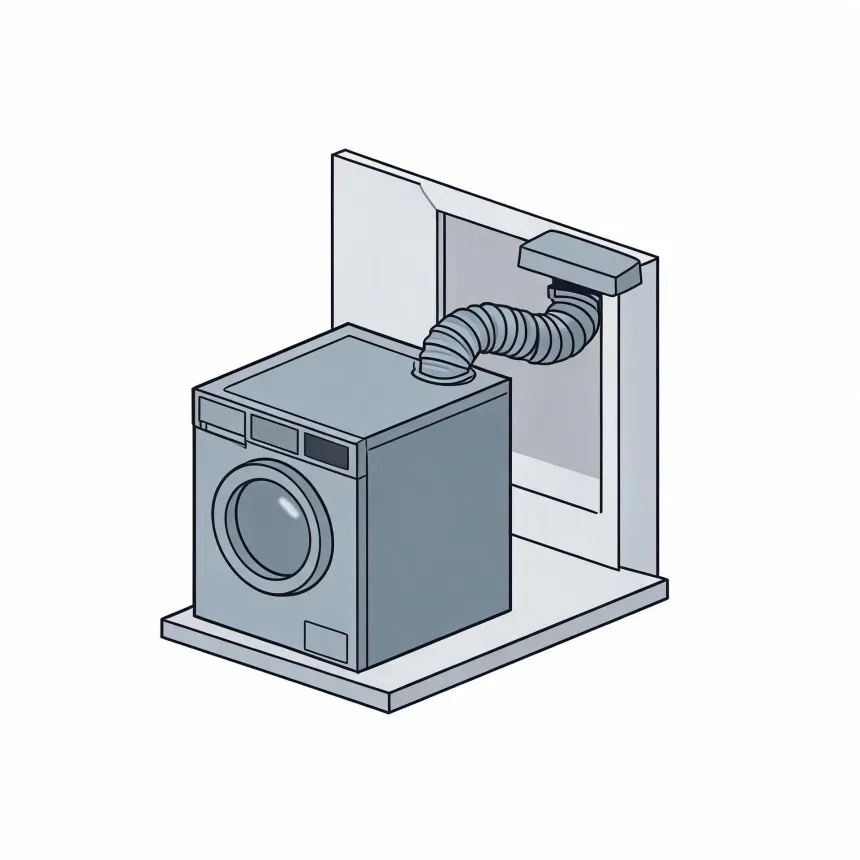
Your dryer pushes warm, damp air out through the vent, and out here that air hits cold fast. Nome winter nights average 0°F, and the vent runs through cold space most of the year since the house needs heat all twelve months. Warm air cools the moment it meets that cold metal, and the moisture in it settles on the vent walls. Lint sticks to a damp surface far more than a dry one, so it builds up along the run instead of blowing outside where it belongs.
A vent that is choked with lint cannot move air the way it should, and that backs pressure up into the dryer itself.
Jan
Feb
Mar
Apr
May
Jun
Jul
Aug
Sep
Oct
Nov
Dec
NOAA 1991–2020 monthly normals
- How often should a dryer vent be cleaned?
- Once a year is the standard rule for most homes. If the dryer is used daily, or if drying takes longer than it used to, clean it sooner rather than waiting out the full year.
- Can I clean my dryer vent myself?
- You can clean the lint trap and the first few feet of vent behind the dryer yourself. What you can't easily reach is the full run out to the outside hood, and that's where lint builds up worst. A contractor has the brushes and vacuum to clear the whole length and check that the outside hood isn't blocked by snow or ice.
- What are the signs of a clogged dryer vent?
- Clothes taking longer than usual to dry is the first sign, followed by the dryer or the laundry room feeling hotter than normal. You might also notice little lint coming out at the outside vent hood when the dryer runs, or a burning smell. If the hood outside is iced over or packed with snow, that blocks airflow the same way a lint clog does, so it's worth checking after a storm.