
Furnace Installation in Nome, AK
Tell us about the house, and a licensed contractor who covers Nome Census Area will get in touch.
Tell us about the job
It takes about a minute.
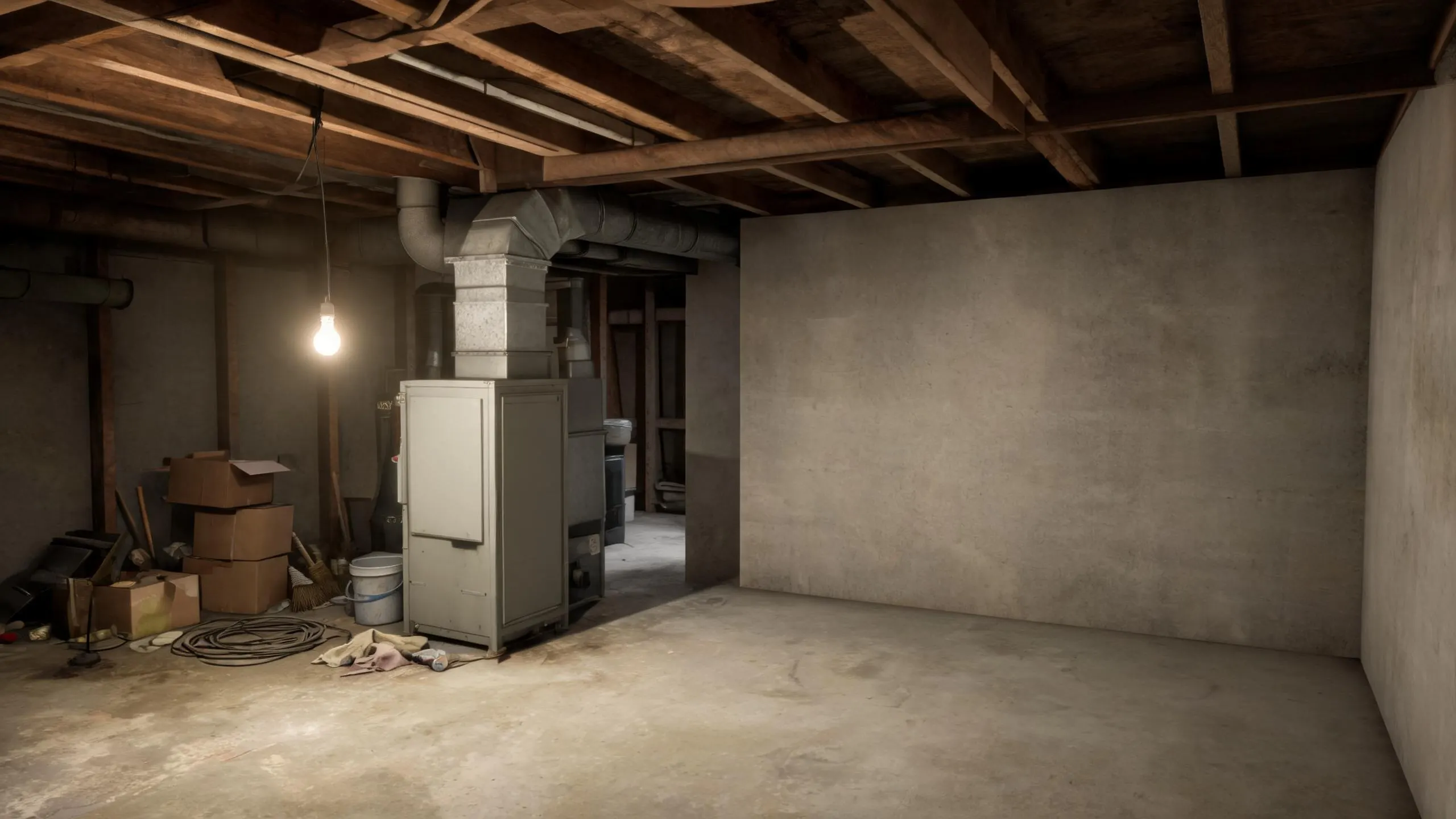
A furnace here runs all year, not just through winter
In the Nome Census Area, there's no season when your furnace gets to rest. Homes here need heat 12 months a year, and winter nights average 0°F from December through February. That's a different job than most furnaces are built for, and it's worth installing one sized and set up for that kind of demand.
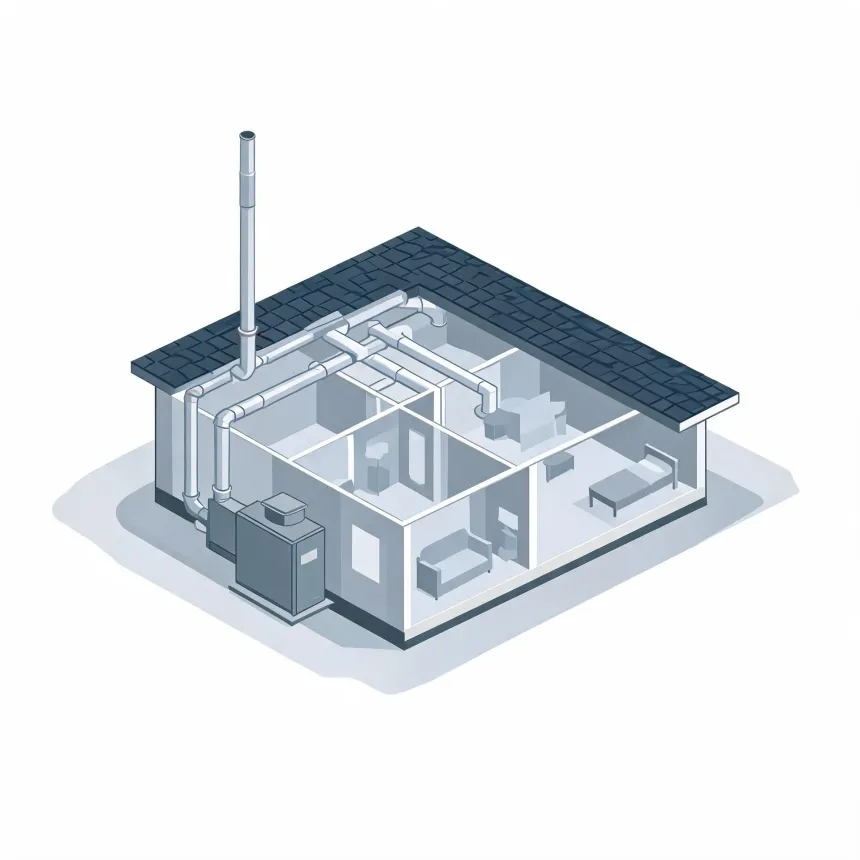
Most homes here heat with fuel oil, so the furnace going in should match how the house is already set up to run. Power matters too. Across Alaska, 21% of households lost power for at least 24 hours in 2024, and this area has logged 20 winter storms and 17 damaging wind events over the past ten years. A furnace that can't restart cleanly after an outage leaves you cold at the worst time. If you're installing a new non-weatherized gas furnace, federal rules now require it to reach at least 80.0 percent AFUE.
- 0°F
- the average winter night it heats against
- 80% AFUE
- the federal minimum any new unit must meet
NOAA 1991–2020 monthly normals
Alaska requires contractors to register with the state.
Alaska's registration puts a contractor's business on file with the state. Nobody tests their gas or furnace work to get that number, and nothing about the registration says they know how to size a furnace or vent it correctly. It tells you the business exists and can be traced. It does not tell you the installer is any good at the job.
For a furnace install, the protection in Nome Census Area comes from the local building office, not the state. In most cities and counties, replacing a furnace needs a permit, and the finished work gets an inspection. That inspection is what catches a bad gas connection or a venting mistake, the kind of error that makes a furnace installation dangerous rather than just wrong.
Source: Alaska Department of Commerce, Community, and Economic Development
- What size furnace does my house need?
- A contractor needs to run a heat loss calculation on your house to answer that, not just measure your square footage. Nome winters push nights down to 0°F for months at a time, and a furnace sized off a rule of thumb can end up too small to keep up or too large to run properly. The calculation looks at your walls, windows, insulation, and layout together, since two houses the same size can need different sized furnaces.
- How do I know it's time to replace my furnace?
- Watch for it running longer to reach the same temperature, or cycling on and off more than it used to. Rooms that used to heat evenly and now feel uneven are another sign, along with a furnace that needs a repair call more than once a season. With heat needed here every month of the year, a furnace that's struggling has less time to rest and recover than one in a place with a short winter, so problems tend to show up sooner.
- Is a high-efficiency furnace worth it?
- It depends on what you're heating with now and how many months a year your furnace runs. Since 2015, non-weatherized gas furnaces sold new have to hit at least 80 percent AFUE, so any new furnace already burns fuel more efficiently than an older one. Most homes here heat with fuel oil rather than gas, and a furnace running close to year-round matters more for efficiency than one that only runs a few months. A contractor can walk through the actual numbers for your fuel type and usage.