



Alaska HVAC Help

Why your heat won't reach upstairs in Alaska

Tell a local repair pro what your furnace is doing.

Match me with a pro

Why won't my heat reach upstairs?

You crank the thermostat and the downstairs gets warm fine, but the upstairs bedrooms stay cold all winter. In Alaska, where the furnace runs hard for months straight, that gap can mean you're keeping the whole house heated longer just to get the top floor tolerable, and with power costing what it does here, that adds up fast.

Heat rises, but your ducts have to carry it there first

Warm air naturally wants to rise, so in theory the upstairs should heat on its own. In practice it depends on your furnace pushing enough air through the ductwork that feeds those rooms, and that's where it usually breaks down. A duct run that's too long, a damper that's closed or stuck, or a return that can't pull air back down all mean less heated air reaches the second floor than the thermostat downstairs thinks you're getting. Since your thermostat is likely on the main floor, the furnace shuts off once that zone reads warm, even if the upstairs never caught up. A qualified contractor can check airflow and duct balance room by room to find where the heat is actually getting lost.

A gray residential furnace with two panel doors stands against a plain light wall in a concrete-floored room, connected to metal ductwork and white and copper pipes.

Heat rises, but ducts decide

Warm air naturally moves up through a house on its own. The trouble is what happens before it gets the chance. If the ductwork feeding your upstairs rooms is undersized, pinched, or runs a long path from the furnace, the air loses pressure and heat before it reaches the vents. A furnace that's sized right and running well can still leave the top floor short if the ducts carrying that air aren't built to carry enough of it.

A gray high-efficiency furnace with white PVC venting pipes stands against a plain wall in a basement, connected to sheet-metal ductwork on a concrete floor.

One thermostat, two different floors

Most homes with this problem have a single thermostat, usually mounted downstairs, controlling the whole system. It reads the temperature where it sits and shuts the furnace off once that spot is satisfied, whether or not the upstairs has caught up. With a furnace running for months straight here, that mismatch repeats itself daily. A contractor can check whether your return air setup and duct balance are working against the thermostat's single reading.

Duct Issue or Furnace Issue?

Duct problem

  • Upstairs rooms share one undersized trunk line while downstairs gets the main branch straight from the furnace.
  • A contractor can check static pressure at the supply registers to see if the duct run is actually starved for air.
  • Sealing or resizing a duct run means opening a wall or ceiling cavity, so the job takes planning around Alaska's short daylight window.
  • If the same rooms run cold every winter regardless of outdoor temperature, the duct layout is the more likely cause.
  • Adding a duct booster fan only helps if the trunk feeding it can actually supply more air than it's getting now.

Furnace problem

  • A furnace sized for the square footage it was installed for may fall short if rooms were added upstairs later.
  • A failing blower motor or a dirty blower wheel cuts airflow to every register, upstairs and down, but the upstairs rooms feel it first.
  • If the thermostat is downstairs, the furnace shuts off once that floor reads warm, even if upstairs hasn't caught up yet.
  • A cracked heat exchanger or weak ignition can shorten burn cycles, leaving less time for heat to reach the far end of the system.
  • If the cold spot changes with how hard the furnace is working, like on the coldest nights of the year, the furnace itself is more likely the issue.
A gray high-efficiency furnace in a basement with PVC venting pipes, a yellow gas line, metal ductwork, concrete walls and floor, and a wood-framed stairway at left.

The furnace running the way it should

A furnace in good shape cycles on, satisfies the thermostat, and shuts off. Gas pressure, the flame sensor, and the inducer motor all do their part quietly. If yours looks like this and the upstairs is still cold, the furnace itself probably isn't the problem.


A beige furnace with a louvered front panel and metal ductwork stands on a concrete basement floor beside pipes and a white cylindrical water heater.

The furnace showing its age

An older unit with worn louvered vents and a dated blower can still fire fine downstairs while losing the push it needs to send air up a long duct run. Weak airflow out of a tired furnace shows up first in the rooms farthest from it.

A beige furnace with two louvered front panels stands on a concrete basement floor beside galvanized ductwork, metal pipes, and a wooden post.
Before you get your furnace repair
A gray high-efficiency furnace stands on a concrete basement floor beside galvanized sheet-metal ductwork, with white PVC vent pipes, gas and water lines, and unfinished wood framing behind it.
After you get your furnace repair

A pro who works on furnaces

Only one pro gets your request, so you hear from one company.

There's no charge for the request.

A gray high-efficiency furnace in a basement with white PVC vent pipes, sheet-metal ductwork, copper and black piping, a condensate pump, and insulated walls above a concrete floor.

Furnace keeping up

A furnace sized right for the house cycles through its ductwork without a fight. The trunk lines and flex runs overhead carry warm air to every register, upstairs included, and the condensate drain and pump handle the rest. Nothing here is working harder than it should.

A beige residential furnace stands on a concrete basement floor beside galvanized sheet-metal ductwork, a round flue pipe, copper gas piping, and a PVC condensate line, with a wood-paneled wall at right.

Furnace falling behind

An older furnace can still fire fine and still lose the upstairs. Age alone doesn't explain a cold second floor, but a flue, gas line, or duct connection that's shifted or narrowed over the years can. A contractor who knows this equipment can tell which it is.

A woman with shoulder-length brown hair wearing a beige knit cardigan sits in a gray upholstered armchair near a window, looking off to the side with a slight smile, with bookshelves blurred in the background.
A woman and a sleeping child wrapped together in a cream knitted blanket on a couch, with a potted plant, framed photo and lit lamp in the background.

A furnace that has to run longer and harder to push heat up a weak duct run still shows up on the power bill, and in Alaska that bill is already one of the steepest in the country.

The upstairs stays cold either way, but now you're paying extra for heat that never gets there. That's the part worth having a local contractor look at.

A man with grey hair and stubble in a dark sweater sits on a grey sofa indoors, looking off to the side, with a potted plant and a sunlit window behind him.
A man with gray hair, a beard and glasses, wearing a dark green sweater, sits on a gray sofa in a sunlit living room with a potted plant, table lamp and wooden sideboard behind him.
A middle-aged man with graying hair and a short beard sits on a blue sofa in a living room, looking toward a window, with a bookshelf, lamp and framed picture in the background.
A man with graying curly hair and a dark green sweater sits on a gray sofa in a sunlit living room, looking off to the side, with a framed picture, shelving, an armchair and a window with sheer curtains behind him.

One zone, two temperatures

A single thermostat downstairs reads the air where it's standing, not the air in the upstairs bedrooms. The furnace shuts off once the main floor is satisfied, even if the rooms above never caught up.

Find a local pro

Zoned or balanced properly

Dampers or a second thermostat let the furnace keep pushing heat upstairs after the downstairs is warm. Each floor gets judged on its own temperature instead of one sensor speaking for the whole house.

Find a local pro

What you're probably noticing upstairs right now

The stairwell feels warm, but the bedrooms past it don't. Vents upstairs blow air that feels weaker than the ones downstairs, or barely blow at all. Doors stay shut at night to hold in what heat makes it up there. You might hear the furnace running longer stretches than it used to, working to satisfy a thermostat that's reading air from a floor that already warmed up. Over an Alaska winter, that's months of the furnace pushing hard for a result it isn't getting, and months of paying for heat that never reaches the rooms you're trying to warm.

A dark interior hallway with a dim window at the end, a wooden floor, a stair railing on the right, and a bench or rug in the foreground.

It's 2 a.m. and the house is quiet except for the furnace cycling somewhere below. You're up checking on the kids, and the hallway floor is cold through your socks. Outside the window, frost has crept in from the corners, thick enough that the streetlight behind it is just a blur. You crouch by the vent near the bedroom door and hold your hand over it. Nothing. Not even a weak pull of air. Downstairs the thermostat reads where you set it. Up here, in the dark, you can see your breath if you try.

Winter nights average 9°F statewide

Overnight lows average 9°F across the state in December, January and February. At that temperature your furnace is running close to nonstop just to hold the thermostat, which leaves little margin for warm air to fight its way up a weak duct run to the bedrooms.

NOAA nClimDiv 1991-2020 county normals weighted by homes

A gray high-efficiency furnace stands on a concrete basement floor beside galvanized sheet-metal ductwork, white PVC vent pipes, copper and black piping, and unfinished wood stud framing.
A furnace that's running the way it should keeps its panels sealed and fires on a clean, steady cycle.
A gray furnace with two access panels stands on a concrete basement floor beside sheet-metal ductwork, with pipes, flexible conduit and an electrical box on the concrete wall to the left.
A furnace that's struggling gets opened up a lot, its panels pulled for a look at what's wearing out underneath.
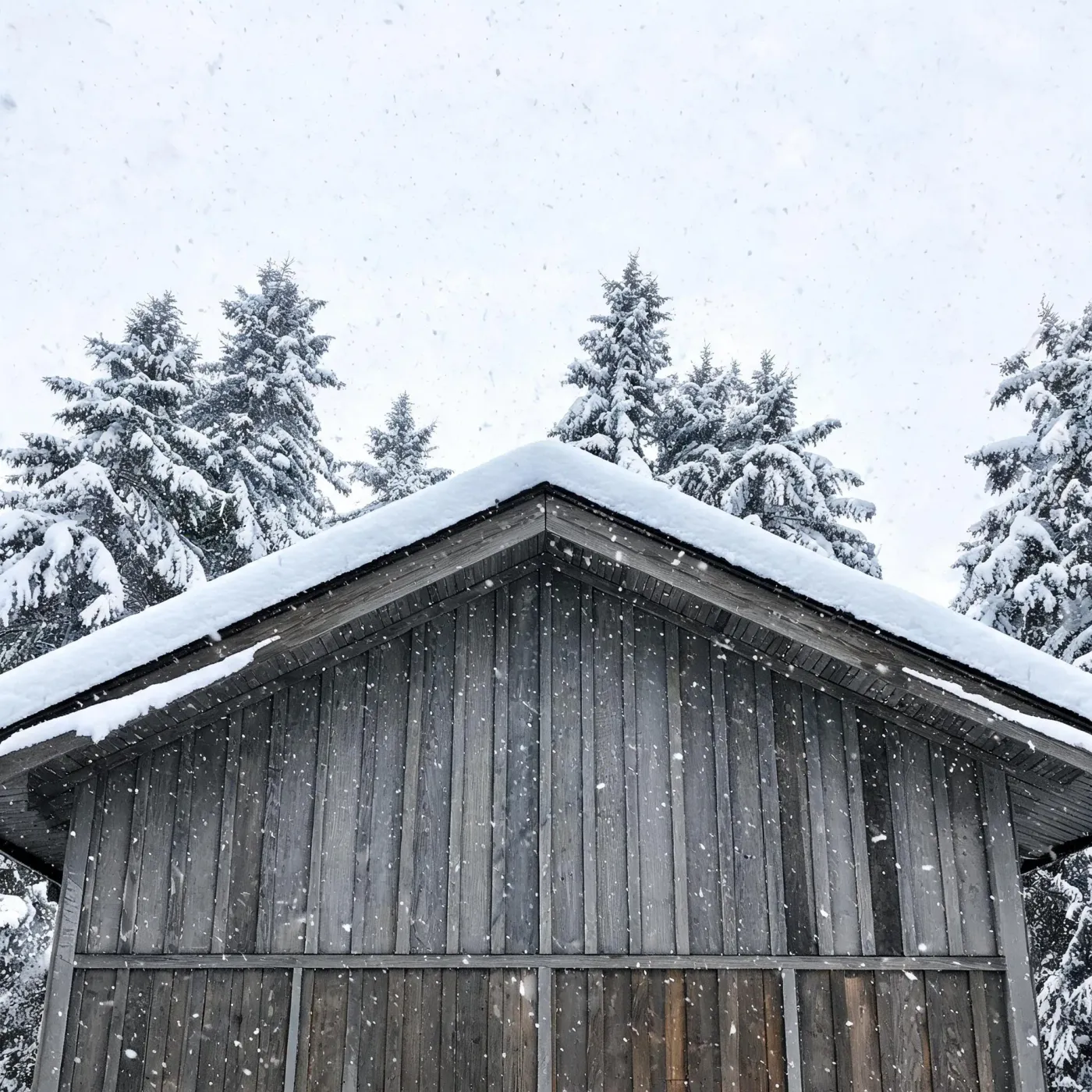
The gable end of a weathered vertical-board wooden building with a snow-covered roof, framed against snow-laden conifers and a pale sky with falling snowflakes.

Winter nights average 9°F statewide, according to NOAA climate records. At that temperature your furnace holds a long burn, sometimes running most of the night without shutting off. That kind of steady heat still has to travel the same undersized or pinched duct run to reach the upstairs bedrooms, and the colder it gets outside, the more that run matters. A furnace fighting 9°F air has less warm air to spare for a weak path upward, so the gap between the downstairs and upstairs tends to widen on the coldest nights rather than stay the same all winter.

NOAA nClimDiv 1991-2020 county normals weighted by homes

The answer usually comes down to the ductwork feeding your upstairs rooms, not the furnace itself. A furnace that cycles on, satisfies the thermostat, and shuts off is doing its job. The problem is what happens between the furnace and those bedrooms, whether that's an undersized trunk line, a long duct run, or one thermostat trying to speak for the whole house. Someone who works on furnaces in Alaska through winters like this has seen which of those it usually is in a house like yours, and where to check first. A local contractor licensed to do this work can measure static pressure at the registers, look at the duct run itself, and tell you which fix applies, without a handful of other companies calling you about it. You'll be matched with one contractor who takes it from there.

At dusk, a dark board-and-batten house with a standing-seam metal roof and lit entry walkway of stone pavers, with two large outdoor heat pump units on a stone-walled pad at right and trees and hills in the background.

Furnace Repair

The right pro for this job

RepairFurnace or heatingAlaska
Step 1 of 2

What ZIP code is the job in?

  • A beige upholstered armchair with an olive cushion sits in a sunlit corner beside a wooden side table holding a ceramic vase with leafy branches, under a framed abstract artwork, on a woven rug over a wood floor.
    • A gray outdoor condenser unit on a concrete pad surrounded by dark gravel, beside a dark wood-sided wall with an electrical disconnect box and a stone veneer wall with a small evergreen shrub.
      • Once you send the form, finding a pro is off your list.
      • After you send the request, you're done searching.
    • A beige upholstered oversized armchair with a matching cushion and a knit throw draped over one arm, beside a round wooden side table holding a vase of greenery near a curtained window, with a framed landscape print on the wall and a woven rug on a wood floor.
      • Skip searching for a furnace pro and answer a few questions instead.
      • One form replaces the calls you'd make to find a furnace pro.
    • Sunlit living room corner with a beige upholstered sofa, cushion and knitted throw, a round wooden side table holding a white ceramic vase of leafy branches and a small wooden bowl, a framed landscape painting on the wall, and a window at right.
      • The pro who reaches out is licensed in Alaska.