Alaska needs a furnace sized for real cold, not average cold
A furnace sized for a mild December day will fall behind the first week it drops well below zero, which is when you need it most.

A furnace that runs nearly nonstop once it gets cold, but still can't hold the house above 65, is too small for an Alaska winter. Other signs: rooms far from the furnace stay noticeably colder, the system runs for long stretches without shutting off, and your gas bill climbs faster than the temperature drops would explain. This happens because the furnace was sized for a milder worst case than what Alaska actually sends in January, so on the coldest nights it just can't push enough heat through the house to keep up. A unit that's close enough in October can fall behind completely once deep winter sets in, and the wear from constant running shortens its life besides. If this sounds like your house, the fix isn't a bigger thermostat setting, it's a furnace sized for the load your home actually has.


A furnace sized for a mild December day will fall behind the first week it drops well below zero, which is when you need it most.
Power here is expensive, but a furnace that can't keep up still burns gas nonstop trying, and the house still doesn't warm up.

Once it's been well below zero for a few days straight, an undersized furnace stops catching up overnight the way it did in November. You'll notice the thermostat reading creeping down a degree or two each morning before it recovers. The burner cycles longer each time, and the blower seems to run constantly. That pattern on its own isn't damage, but it means the unit has no spare capacity left for the coldest stretch of January, which is exactly when you can't afford it to fall short.

A furnace working at its limit for weeks at a time burns more gas than one sized correctly, because it never gets the chance to shut off and rest. If you're running space heaters in the coldest rooms to make up the difference, that's added electric load, and power here already costs more than almost anywhere else. The combination shows up on both bills at once, and it keeps showing up every winter until the furnace itself is replaced with one sized for your house.

A gas furnace fires at a fixed rate. The burner puts out a set number of BTUs per hour, and the blower moves a set amount of air across the heat exchanger. There's no dial that makes it burn harder when a system that size is what got installed. If that output was matched to a mild December, there's nothing left in reserve for a stretch at twenty below. The furnace is already giving you everything it has.
That's the part worth knowing before you start calling around about a replacement. Getting the size right means someone has to run a load calculation against your house, not just swap in a unit close to what's there now. That's a different conversation with every contractor you reach, and sorting through bids that all size it differently is its own job. Send the form once and that search is off your plate.

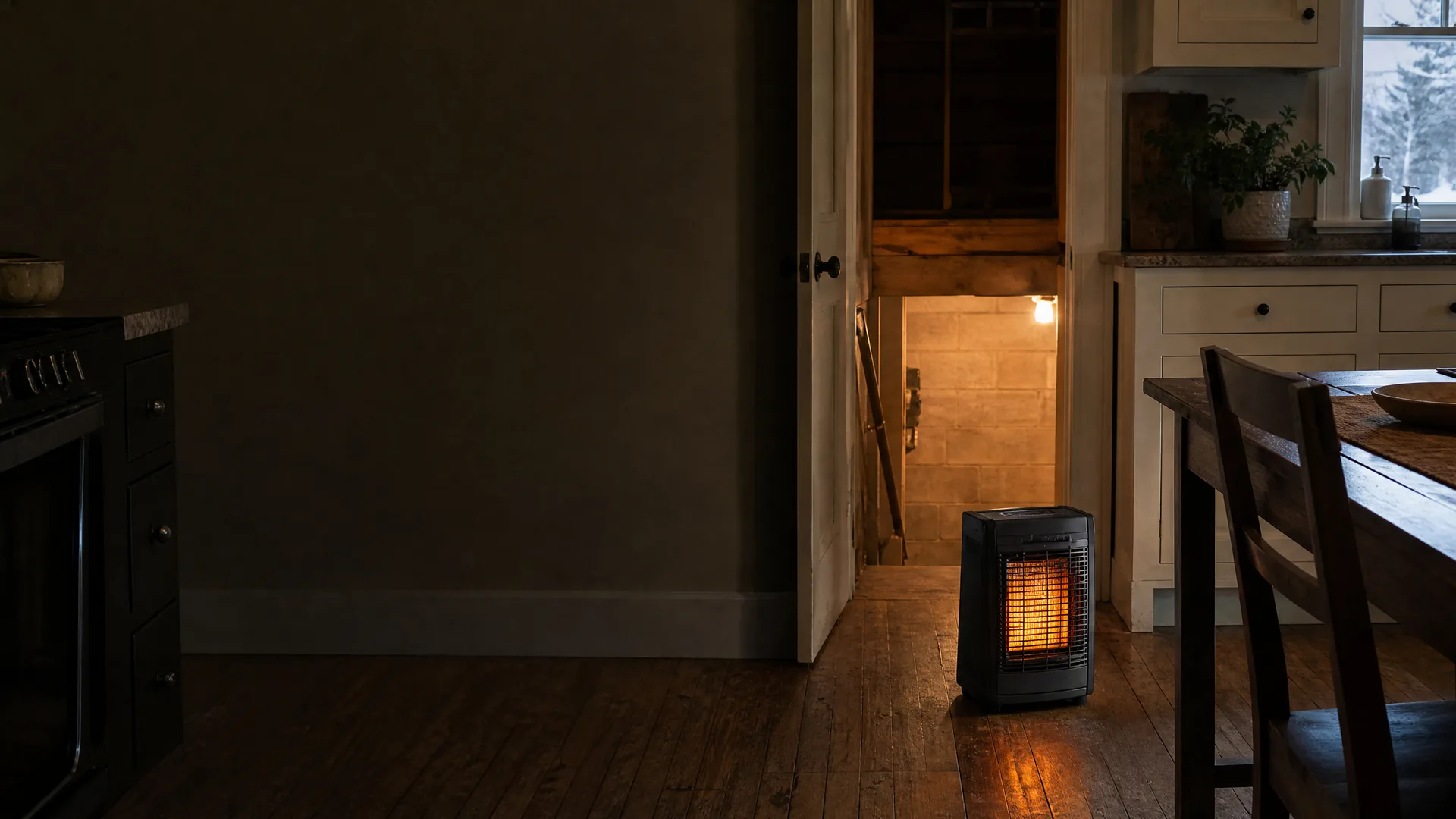
You're up before the sun, which this time of year is nothing new. The kitchen is cold enough that you can see your breath near the window, and the little space heater is pulled close to the table, its coil glowing orange while you wait on coffee. The basement door is open behind it, because that's where the furnace is, and you've taken to leaving it open so some of the heat finds its way up. The thermostat on the wall reads 62. You already know what today looks like: the heater stays by the table, the basement door stays open, and the furnace keeps running without much to show for it.
Skip the round of in-home estimates for a new furnace.
There's no charge for the request.
A correctly sized furnace stops being the loudest thing in the house once the cold settles in. It runs long cycles on the worst nights, then shuts off and leaves the house quiet for a while before it has to fire again.
An undersized furnace never gets that quiet. It's already running close to full time at 10 below, so there's no reserve left for the week it drops to 20 or 30 below, and that's exactly when you're counting on it most.


If the furnace stays as it is, this is the winter you already know. It runs most of the hours between November and March, falls behind during the stretches well below zero, and leaves the far rooms cold enough that you keep a space heater nearby. None of that gets better on its own, and a furnace already running near its limit has less room to handle a harder cold snap than last year's. The usage adds up too. A furnace working that hard for that many hours is drawing more gas and more electricity for the blower than a furnace sized to the house, and with power priced the way it is here, that difference shows up on the bill whether you planned for it or not.
A furnace sized for your house and your winters runs the way it's supposed to. It fires, brings the house up, and shuts off, even on the nights that sit well below zero for days straight. The far rooms hold close to the same temperature as the room with the thermostat, so the space heater stops being part of the morning routine. Getting there starts with finding someone who can size the job correctly and install it, which usually means sorting through contractors, getting them out to look at the house, and comparing quotes before any work happens. Send the form once and that part is done. Finding the right contractor stops being your job.




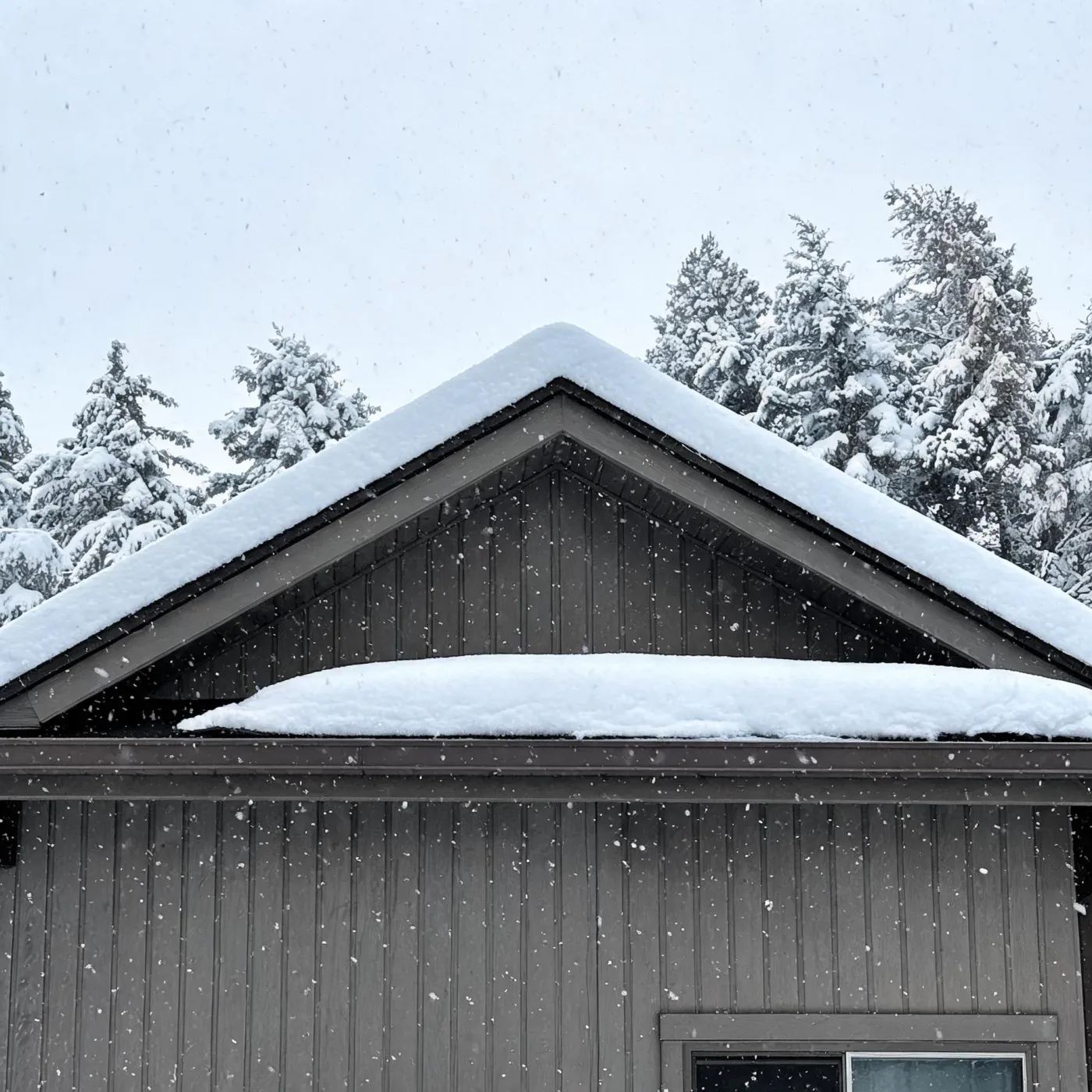
Winter nights average 9°F across Alaska, per National Weather Service climate data. That's the statewide average, which means plenty of nights go well past it. An undersized furnace is built for a mild evening, not a stretch like that. On a night near 9°F, it has to run close to flat out just to hold the house where it was an hour before, and once the temperature keeps dropping after midnight, it starts losing ground instead of holding steady. By morning you're looking at a thermostat reading a couple degrees under where you left it.
NOAA nClimDiv 1991-2020 county normals weighted by homes


Nine degrees is the average overnight low, so plenty of nights drop colder than that. A furnace sized for an average night starts behind before the real cold even shows up, and it won't catch up until spring.
NOAA nClimDiv 1991-2020 county normals weighted by homes
Everything here points to one answer. A furnace that can't hold 65 once it's below zero, that runs almost the whole night without a break, that leaves the back bedroom cold while the thermostat room feels fine, isn't failing. It's undersized. No amount of waiting it out changes that, and no setting on the thermostat fixes a burner that already fires at its full rate. The furnace you have was likely sized for a mild evening somewhere in December, not for the week it drops well past zero and stays there, which in Alaska is the week that matters.
Sizing it right means starting over with the numbers: the square footage, the insulation, the coldest nights your part of the state actually sees, not the average ones. That's a load calculation, and it's not something to guess at or split the difference on over the phone with three different companies.
That part, the sorting through who does this work, the calls, explaining the cold back bedroom and the long runtimes all over again to each one, comparing quotes that are never quite built the same way, is what ends when you send the form. You've already done the harder part, which is noticing the pattern and naming it. What's left is matching the house to a furnace built for the nights it actually gets, not the ones it averages.
You only hire the pro if you want to.
Sending the request means you stop being the one who has to figure this out. No calling around town, no explaining the cold kitchen and the 65-degree mornings twice over, no comparing quotes on your own. Someone who sizes furnaces for Alaska winters takes it from here.
